IN Brief:
- Ragusa will provide 62.5MW of output and a nominal 262.5MWh of storage from 42 lithium-ion battery containers.
- A high-voltage transformer will connect the installation to Sicily’s 150kV network, alongside equipment intended to supply balancing and grid-forming services.
- RWE is targeting commissioning at the end of 2027, adding storage to its existing Italian wind and solar portfolio.
RWE has begun construction of its first battery energy storage system in Italy, a 62.5MW installation at Ragusa in Sicily with a nominal storage capacity of 262.5MWh. The project will use 42 containers of lithium-ion batteries and is scheduled to enter service towards the end of 2027, adding a dispatchable storage asset to the company’s existing Italian wind and solar operations.
Ragusa is designed to deliver its maximum 62.5MW output for four hours. Its nominal 262.5MWh energy capacity is a separate specification, and the two figures should not be treated as interchangeable. The plant can offer rapid adjustments in power and sustained delivery of stored electricity, although dispatch at any particular moment will depend on its state of charge, equipment operating limits, and service commitments.
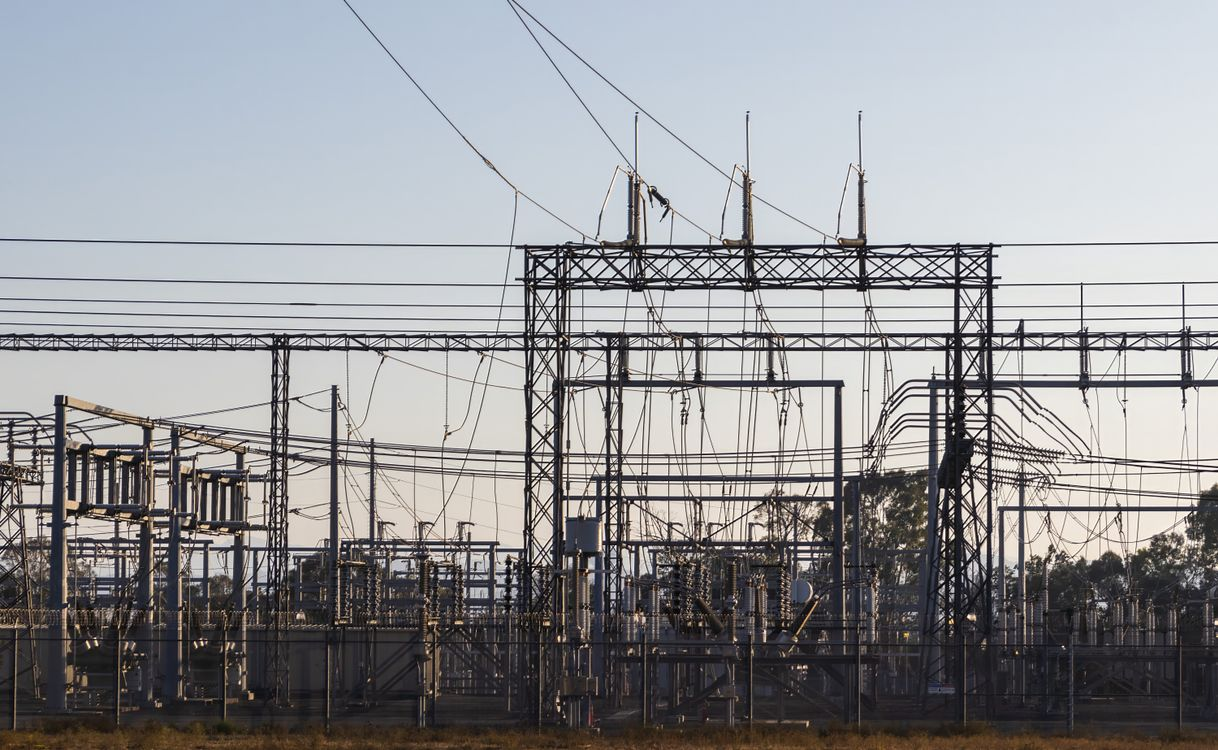
To connect the battery compound to the electricity network, RWE will install associated electrical infrastructure including a high-voltage transformer serving the 150kV grid. The interface must bring power from the battery’s conversion equipment to the voltage and protection requirements of the connection. RWE has not disclosed the transformer rating, inverter supplier, or any contracted grid services payments, so those details remain outside the confirmed specification.
RWE also intends Ragusa to provide grid-forming services, including instantaneous reserve associated with electrical system inertia. Grid-following inverters normally synchronise their operation with an existing network voltage waveform; grid-forming controls can instead help establish or support voltage and frequency references. That capability has potential value where a growing proportion of generation is connected through power electronics rather than conventional synchronous machines.
How those grid-forming functions perform in operation will depend on the converters, their control and protection settings, the available stored energy, and the network operator’s technical requirements. The presence of grid-forming equipment does not mean a battery can restore an entire failed power system independently or supply an unlimited response. RWE has confirmed the planned service capability, but has not published a specific inertia performance figure, detailed testing requirements, or a grid-forming service contract.
Battery storage can supply balancing energy by changing its rate of charging or discharging in response to power-system requirements. When supply is plentiful, the installation can absorb electricity; when additional supply is needed, it can export power within its operating limits. At Ragusa, this role will sit alongside the planned instantaneous response functions, which demand different control characteristics from the sustained release of stored energy.
Wind and solar output can vary significantly across a daily demand cycle, while electrical system frequency and voltage must remain within limits as power flows change. A storage plant can shift energy between periods of surplus and higher demand, and can provide a controlled response when the system requires it. Its actual contribution will be shaped by market participation, network constraints, charging prices, and the degradation limits associated with cycling.
Sopna Sury, chief executive of RWE Renewables Europe & Australia, said the project would support grid stability and allow renewable electricity to be used when required. RWE calculates that the Ragusa battery could meet the evening peak demand equivalent of about 21,000 households for four hours. That comparison is an indication of scale based on assumed demand, rather than an arrangement to supply a specified group of homes directly.
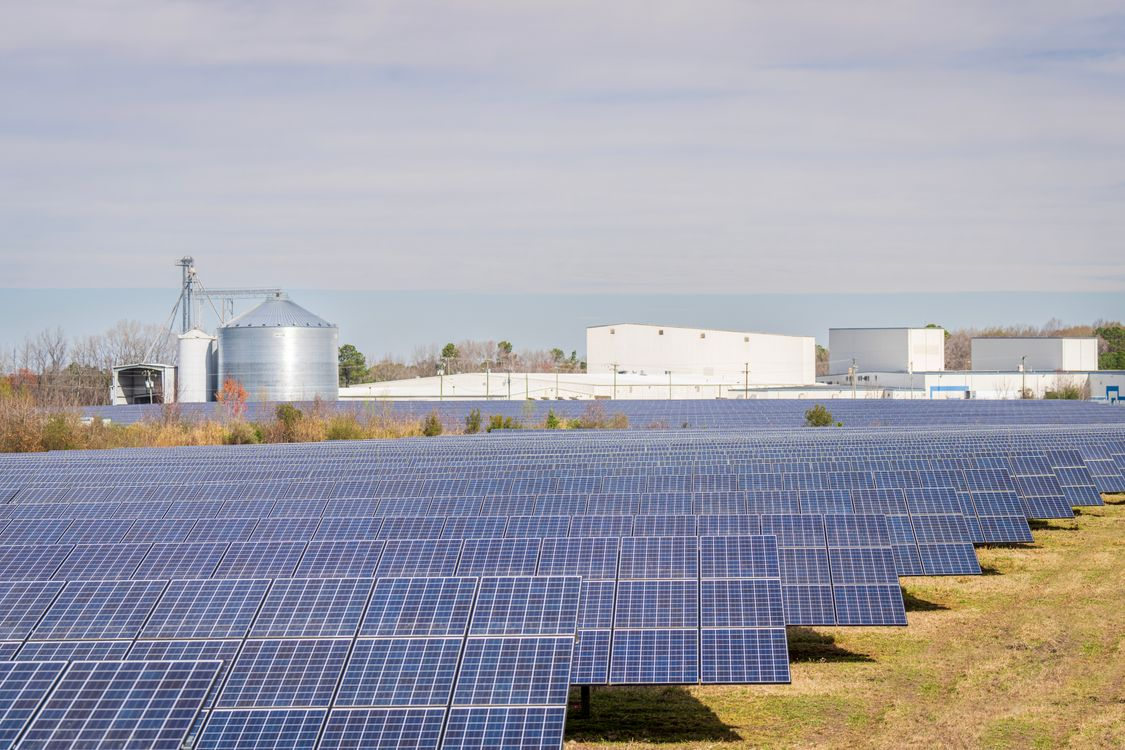
RWE’s Italian generating portfolio currently includes 18 onshore wind farms, one photovoltaic plant, and three agrivoltaic plants in operation. Together they account for approximately 670MW of installed capacity, while around 200MW of further wind and solar projects are being built. Ragusa therefore represents a different form of power asset for the company in Italy: it stores purchased or available electricity rather than generating additional primary energy.
Across its international business, RWE reported approximately 1.7GW of operating battery storage and another 3GW under construction when it announced the Sicilian project. Those figures describe power capacity, not stored energy, and should not be added to Ragusa’s 262.5MWh energy rating. The company expects further Italian storage development, but has not disclosed a commissioning sequence or capacity target for additional sites.
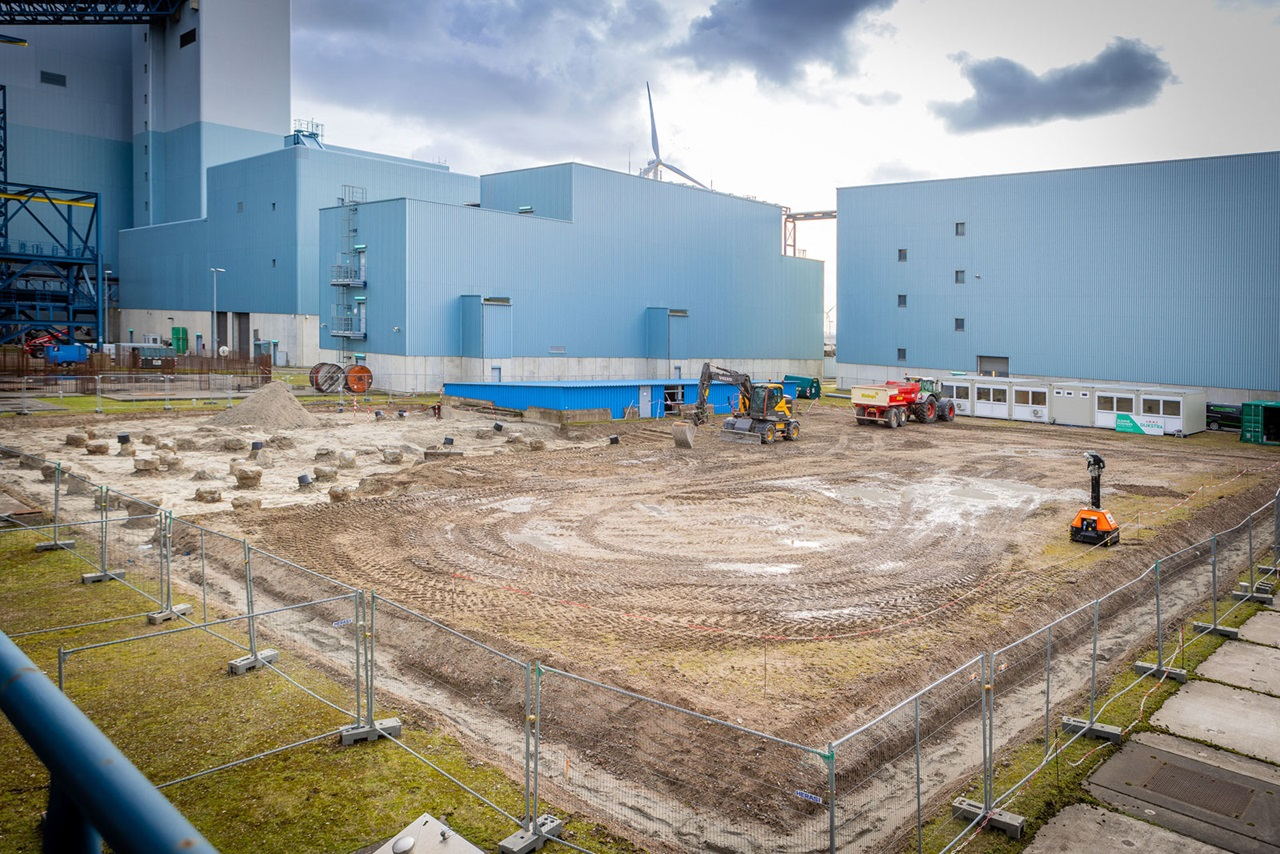
Construction now brings Ragusa into the physical delivery phase, with the battery compound and 150kV electrical connection to be completed before commissioning. Installation of the containers, conversion equipment, transformer, protection systems, and controls must be followed by electrical testing and acceptance procedures. RWE’s stated timetable remains commissioning by the end of 2027; the company has not yet set out the sequence of equipment deliveries or service qualification tests.