IN Brief:
- Batteries in Australia's National Electricity Market held a record 20.17GWh of energy at one instant on 6 November.
- The reading was 203% above the previous 6.66GWh record, while New South Wales reached 8.36GWh.
- Estimated wind and solar curtailment totalled 41.36GWh over the day, highlighting continuing grid integration constraints.
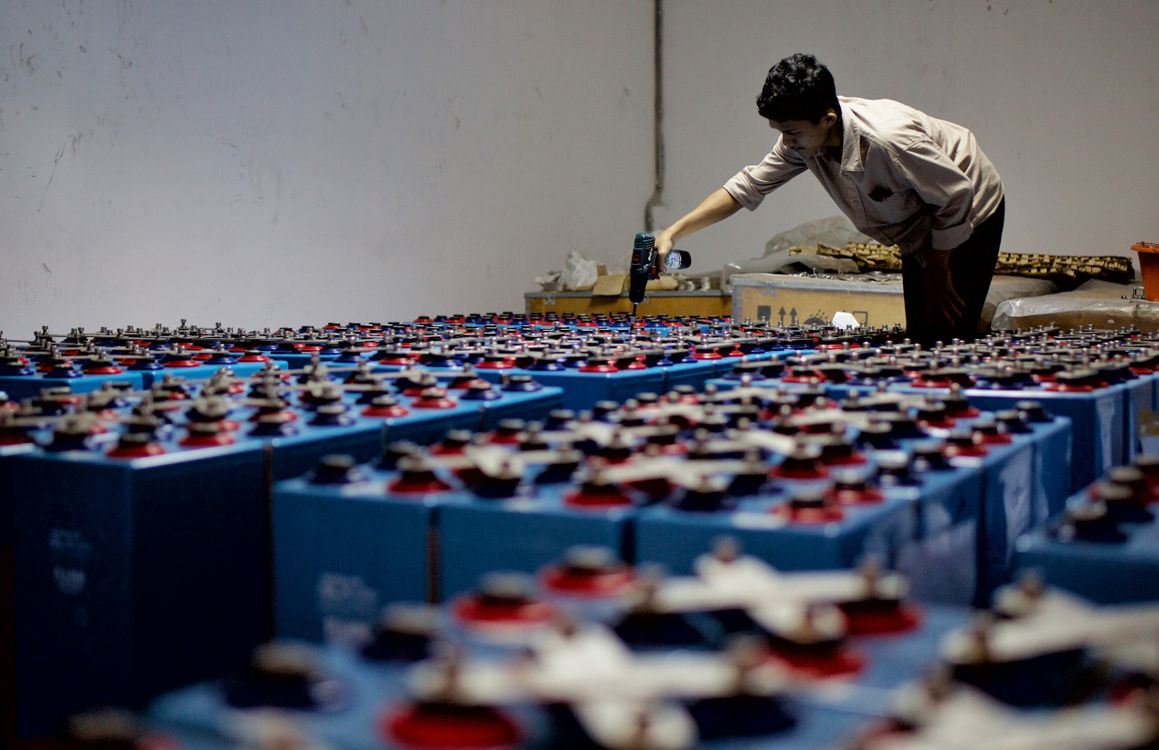
Batteries operating across Australia’s National Electricity Market (NEM) held a record 20.17GWh of stored energy at a single point on 6 November 2026, according to analysis by energy adviser Geoff Eldridge using the Global Power Energy GPE NEMLog platform. The instantaneous high was 203% above a record of 6.66GWh set on 5 November 2025, reflecting the expansion of grid-scale storage across the interconnected market.
New South Wales also reached a state record of 8.36GWh, compared with its previous high of 2.90GWh on 8 October 2025. Eldridge’s findings were published following the 6 November trading day and reported on 9 November. The measurements describe the energy held within the monitored battery fleet at particular instants, rather than the electricity discharged during the day.
Stored energy is measured in watt-hours, while the rate of electricity delivery is measured in watts. A battery holding a given quantity of electrical energy may discharge over different durations depending on its power rating, operating limits, and state of charge. The 20.17GWh figure should therefore not be described as 20.17GW of generating capacity or treated as the total nameplate capacity of installed batteries.
The record also does not indicate how much of the inventory could have been delivered to the network at once. Each battery has a maximum charging and discharging rate, and operators may need to retain energy for contracted services, reserve commitments, or later trading periods. The aggregate stored-energy value cannot be converted into a simultaneous output figure without those additional constraints.
The NEM covers Queensland, New South Wales, Victoria, South Australia, and Tasmania, as well as the Australian Capital Territory within the connected market. Western Australia and the Northern Territory are outside its geographic scope. The record consequently describes batteries across the NEM rather than all electricity storage installed throughout Australia.
Battery operators can charge when electricity is available and discharge when market conditions or system needs create demand for their output. Some installations also provide frequency control and other power system services, for which the capability to respond rapidly may be more relevant than the amount of energy that could be discharged continuously over several hours.
Most large battery installations connect to the alternating current system through bidirectional power conversion equipment. Inverters regulate electricity exchanged between the direct current battery equipment and the grid, while controls manage charging, discharge, electrical protection, and compliance with dispatch instructions. Their power rating and the battery’s energy capacity remain separate design parameters.
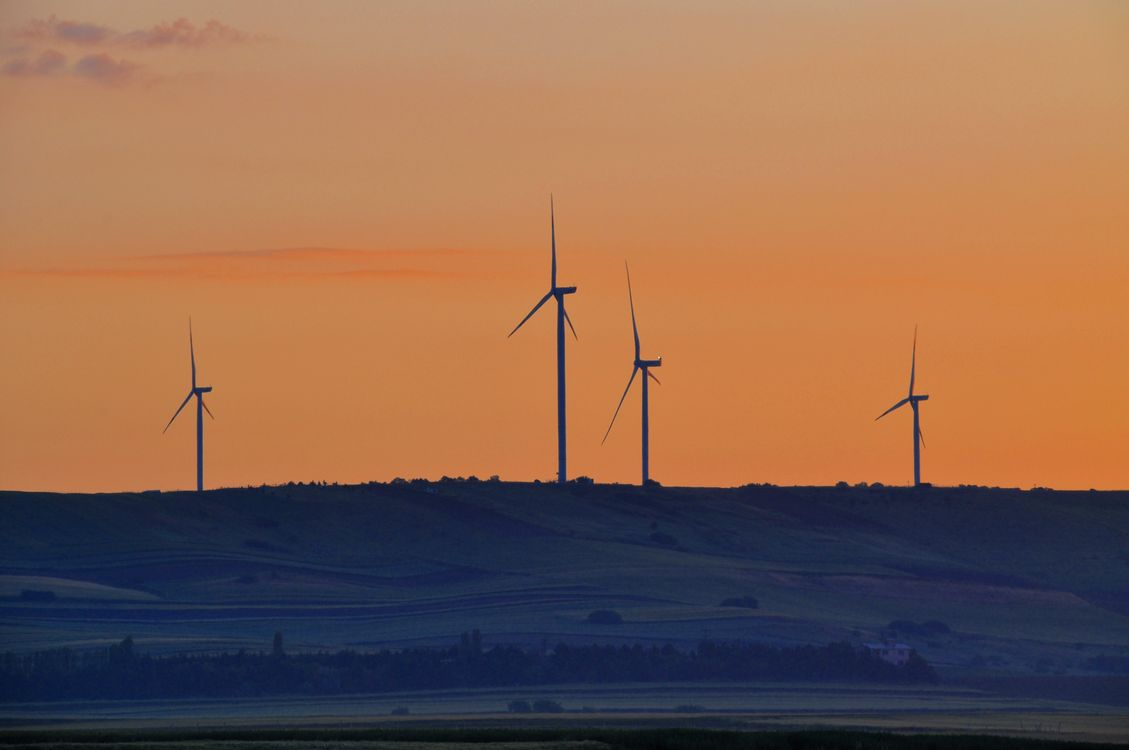
The same day also saw substantial renewable electricity curtailed. Eldridge estimates that 41.36GWh of wind and solar energy was not generated across the NEM on 6 November, comprising 26.67GWh of solar and 14.69GWh of wind. In New South Wales, estimated curtailment reached 15.68GWh, almost entirely from solar generation.
Curtailment arises when available generating output is reduced below what wind or sunshine could otherwise support. It can reflect transmission or local network constraints, system security requirements, and electricity market conditions. A curtailed megawatt-hour is an estimate of energy that could have been produced under different operating conditions, not electricity that was generated and subsequently discarded.
The contrast between 20.17GWh held at a single instant and 41.36GWh curtailed over a full day cannot be used to infer that batteries were capable of absorbing the curtailed generation. The figures have different time bases, and a battery’s ability to charge depends on its available headroom, maximum charging rate, location, and connection conditions.
Transmission constraints create a further limitation. A battery installed beyond a congested network section may be unable to absorb surplus renewable output on the other side of that constraint. Conversely, storage connected close to renewable generators can sometimes reduce local curtailment, provided it has sufficient available energy capacity and its charging does not breach network operating limits.
Eldridge’s analysis recorded additional solar generation milestones on 6 November. Utility-scale solar output in Victoria reached an instantaneous 1,588MW, compared with a previous record of 1,179MW in November 2025. Across the NEM, available utility-scale solar generation reached 10,561MW, above the earlier 9,410MW benchmark.
Available solar generation and actual output are different measurements. The available figure estimates what a generating fleet could produce under prevailing conditions, while output is the electricity actually being supplied following operational and market constraints. An increase in availability can therefore coincide with both higher generation and higher curtailment.
New South Wales also recorded an estimated daily average of 646.82MW of curtailment during positive-price intervals, equivalent to 15.52GWh when expressed across a 24-hour day. That measure highlights curtailment occurring even when the regional dispatch price was above zero, although the precise causes and location of constraints cannot be established from the aggregate statistic alone.
The NEM’s wholesale dispatch operates in five-minute intervals, requiring generating plant and storage resources to follow instructions that reflect demand, offers, and network limits. Battery output can respond quickly within its technical range, but sustained discharge is limited by the energy inventory and by any operating commitments already made.
GPE NEMLog’s figures document two developments on 6 November: a substantially larger instantaneous energy inventory in the NEM battery fleet and significant curtailed wind and solar production over the same trading day. The next operating records will depend on the commissioning of additional resources, their locations, and the network conditions under which generation and storage are dispatched.