IN Brief:
- NESO cancelled its Electricity Margin Notice at 09:11 GMT on 9 November after its forecast margin shortfall narrowed.
- The reported shortfall fell from 1,388MW on Sunday evening to 500MW and then 200MW on Monday morning.
- The notice requested additional available capacity and demand flexibility; it was not a warning of customer power cuts.
National Energy System Operator (NESO) cancelled an Electricity Margin Notice for Great Britain at 09:11 GMT on 9 November 2026, after successive reductions in its forecast shortfall of available operating margin. The notice had asked electricity market participants to identify additional generation or demand flexibility for the Monday morning period; it was not a warning that customers would lose supply.
The initial notice, issued on Sunday evening, covered 06:00 to 11:00 on Monday and recorded a system margin shortfall of 1,388MW, alongside an 808MW contingency requirement. An update issued early on Monday narrowed the period to 08:00–11:00 and reduced the reported shortfall to 500MW. The operator revised that figure to 200MW at 08:24 before cancelling the warning 47 minutes later.
Both Monday updates recorded a contingency requirement of zero and stated that no generation had been excluded from the available system margin because of transmission system constraints. Those values came from the notices themselves; they do not demonstrate that network constraints were absent everywhere or identify the individual resources responsible for the improvement.
Electricity Margin Notices are intended to increase the amount of spare generating capacity available to the control room. NESO issues them when the expected difference between supply capability and forecast demand is narrower than its operating requirements. The reported shortfall concerns that desired margin, rather than electricity already being withheld from homes, businesses, or other consumers.
The warnings asked trading points, control points, and operators of external interconnectors to notify NESO of any additional megawatts they could make available. Electricity suppliers were asked to report potential demand control. Each notice also warned that the Maximum Generation Service might be instructed, but none of the messages establishes that NESO actually used that service.
Those requests are part of the arrangements for balancing generation and demand close to real time. A generator may have capacity that becomes available following a change in maintenance or operational conditions, while an eligible large consumer may be able to alter its planned consumption. The practical response is constrained by how quickly a resource can change output or demand and for how long it can sustain the change.
Weak wind generation across Britain and parts of Europe contributed to the tighter operating conditions reported on Monday. When wind output falls, more of the electricity needed to meet demand must be provided by other sources, including gas-fired plant, nuclear generation, storage, and electricity traded over interconnectors. The specific combination depends on availability and the prevailing market and network conditions.
Interconnectors can make additional supply available from neighbouring countries, but simultaneous low wind output across several markets may limit the electricity offered for export. The direction and volume of flows are also influenced by wholesale prices and operating conditions on either side of a link. NESO’s notices sought additional offers from interconnected system operators without specifying that any particular import was secured in response.
The changing figures between Sunday evening and Monday morning show how short-term adequacy forecasts are revised as generation availability, demand expectations, and market positions change. A reduction in the forecast margin shortfall does not identify a single cause. NESO’s public warning messages do not quantify how much improvement came from additional generation, revised demand, interconnector trading, or other adjustments.
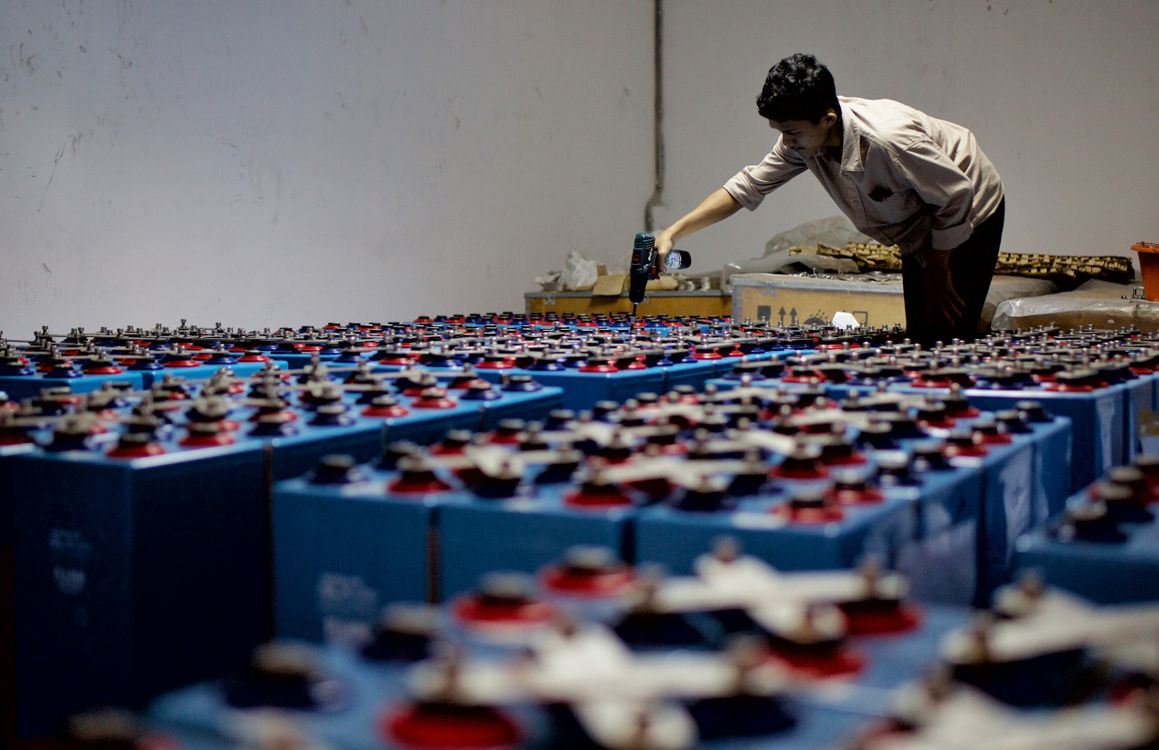
Electricity storage can contribute to system balancing when sufficient energy is held in a battery and the installation has spare discharge capability. Batteries may change output quickly, but their support is limited by state of charge, power rating, dispatch commitments, and connection constraints. Other generating plant may provide a longer period of output while requiring more time to reach the requested level.
Demand flexibility can similarly reduce pressure on the operating margin when participating consumers can move or curtail electricity consumption. Its contribution depends on advance notice, controllable equipment, and the commercial arrangements under which participants respond. NESO’s request for possible demand control was a market notification, not an instruction to disconnect ordinary customers.
The morning warning followed a winter assessment published in October. In its Winter Outlook, NESO forecast a 5.9GW de-rated electricity margin for 2026–27, equivalent to a 9.5% buffer in its seasonal adequacy assessment. That figure is not an assured quantity of spare generation for every hour of winter, and it cannot be directly compared with the shortfall calculated for one Monday morning.
NESO explains that an Electricity Margin Notice does not mean electricity supplies are at risk or that power cuts are expected. It allows the operator to seek a larger cushion of available resources before conditions become more difficult to manage. Monday’s published sequence contained no instruction for planned customer disconnections.
The warning was also unusual in targeting morning demand rather than a winter evening peak. Electricity demand and available generation change throughout the day, and the point at which the operating margin becomes tightest need not coincide with the highest demand if available supply is changing at the same time.
NESO withdrew the notice at 09:11, before the end of the 08:00–11:00 period covered by its final revision, and reported that no other transmission system warnings remained in force. Routine balancing and reserve management continued, but the additional market notification for that morning was no longer required.