IN Brief:
- National Grid has appointed BAM UK & Ireland for civil works at the proposed Eastern Green Link 3 converter station in Walpole, Norfolk.
- Mott MacDonald will act as lead civil and structural designer, while Hitachi Energy holds the separate converter technology contract.
- The proposed 2GW HVDC link will connect Peterhead and Walpole, with principal construction remaining subject to consent.
BAM UK & Ireland has been appointed by National Grid Electricity Transmission to deliver civil engineering works for the southern converter station on Eastern Green Link 3 (EGL3), the proposed 2GW high-voltage direct current connection between Scotland and England. The award covers the Walpole site in Norfolk, with Mott MacDonald supporting BAM as lead civil and structural designer.
Confirmed on 9 November 2026, the appointment follows BAM’s earlier engagement on the northern converter station near Peterhead in Aberdeenshire. The contractor now has roles at both ends of the proposed link, although the northern appointment involved early contractor participation and should not be treated as an identical construction contract.
EGL3 is being developed jointly by National Grid Electricity Transmission and SSEN Transmission. It is intended to provide additional capacity for transferring electricity between Scotland and England, where limitations in the existing network can restrict the movement of generation towards demand centres further south.
The proposed HVDC system will connect converter stations near Peterhead and Walpole through subsea and underground cables. National Grid describes approximately 436km of submarine cable in English waters, with the route making landfall north of Anderby Creek on the Lincolnshire coast. That figure represents the English-waters section, not the complete Scotland–England cable route.
The developers have previously described the whole EGL3 link as approximately 690km long, including around 580km offshore. The English onshore section would run approximately 100km underground from the Lincolnshire landfall to the Walpole converter-station area. Final route arrangements remain subject to the development and consent processes.
At Walpole, the proposed converter station would connect through approximately 5km of underground high-voltage alternating current cables to the planned Walpole B 400kV substation. That infrastructure would provide the connection between EGL3’s direct current transmission equipment and the existing alternating current electricity network.
The Walpole area is also being developed as the proposed southern connection point for Eastern Green Link 4, a separate project. National Grid’s plans include two converter stations, one for each link, and a shared proposed 400kV substation. The projects would use separate HVDC cable systems despite sharing elements of the onshore infrastructure corridor.
HVDC technology is suited to transferring large amounts of electricity over long submarine routes. Alternating current cables carry charging currents associated with their electrical capacitance, reducing the capacity available for useful power transfer over considerable distances. Direct current avoids that continuous alternating charging requirement, although it introduces the need for converter equipment at either end of the link.
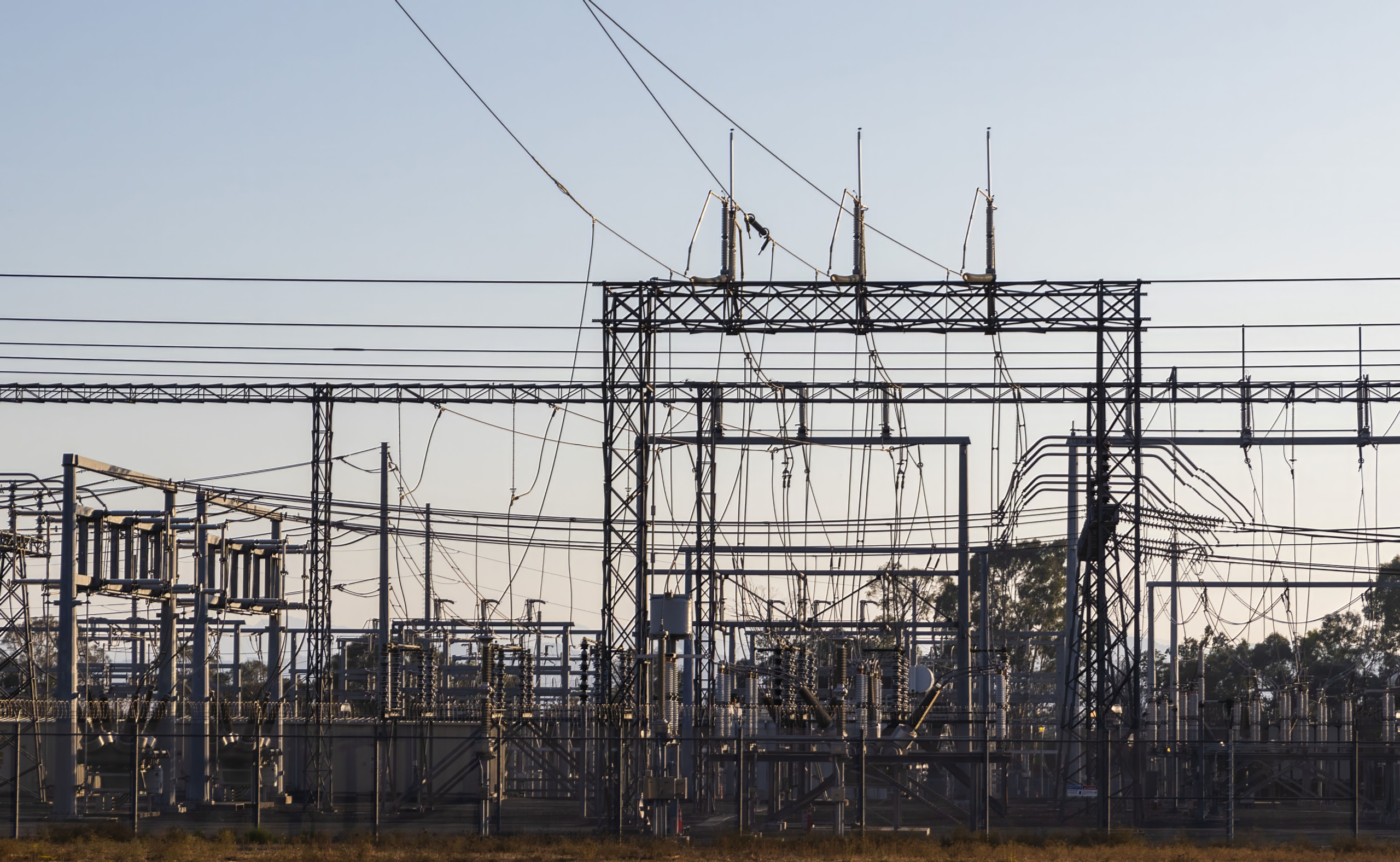
Converter stations use power electronic systems to change electricity between alternating and direct current. They also require transformers, control and protection equipment, auxiliary power supplies, cooling systems, and connections to the surrounding transmission network. The buildings and foundations must accommodate the dimensions, weight, and operating requirements of this electrical equipment.
BAM’s latest appointment concerns the civil engineering works associated with the southern converter station. Mott MacDonald’s role covers civil and structural design, supporting the development of the physical infrastructure required to house and service the installation. The award does not replace the separate HVDC converter equipment contract.
Hitachi Energy was confirmed in March 2026 as the delivery partner for converter technology at both EGL3 terminals. NKT was appointed to deliver the associated subsea and underground cable system. Together, those contracts were valued at nearly £3 billion, but that figure must not be presented as the value of BAM’s newly awarded Walpole civil engineering package.
The value of the BAM contract has not been disclosed. Its work will need to be coordinated with the equipment suppliers because converter station layouts, foundations, cable interfaces, and supporting infrastructure must accommodate the dimensions and technical requirements of the specified electrical systems.
Large converter installations also impose particular construction requirements. Heavy equipment must be transported and positioned safely, while foundations and structural arrangements must support its installed weight and provide access for subsequent operation and maintenance. Cable entries, earthing arrangements, drainage, and mechanical services form additional interfaces between the civil and electrical designs.
Mott MacDonald has participated in earlier EGL3 development work, giving its team experience of the proposed project configuration before the latest appointment. Claudio Tassistro, the consultancy’s managing director of Energy, Europe, identified continuity in the design process as a benefit of the arrangement with BAM.
BAM is already involved in Eastern Green Link 2, a separate 2GW transmission project between Peterhead and Drax in North Yorkshire. Its EGL2 converter station work is being undertaken alongside National Grid, SSEN Transmission, and Hitachi Energy. The two projects have different routes and development programmes, despite sharing the broad objective of increasing electricity transfer capacity.
EGL3 forms part of National Grid’s wider transmission reinforcement programme, known as The Great Grid Upgrade. The additional link is intended to help address constraints that arise when available generation cannot be transported through existing network corridors at the required rate. Its 2GW rating describes proposed maximum transfer capability rather than continuous electricity flow.
The electricity that EGL3 ultimately carries will depend on generation, demand, network availability, and system operating conditions. National Grid estimates the proposed link would be capable of transferring electricity equivalent to the needs of approximately two million homes, although it will operate as part of the bulk transmission system rather than supplying those properties directly.
The project remains subject to the necessary statutory approvals. Appointing BAM allows the developer and its contractors to advance engineering and delivery preparations, but it does not establish that principal construction at Walpole has commenced. The latest award allocates responsibility for the southern civil works as the wider converter and cable programme continues towards its construction phase.