IN Brief:
- GE Vernova will supply three 5.5MW-158m turbines for Stadtwerke Heidenheim's Schlotberg-Jüchsen wind farm.
- The 16.5MW order includes manufacturing at Salzbergen and a 20-year service agreement.
- Deliveries are expected to begin in August 2027, with commissioning targeted for December 2027.
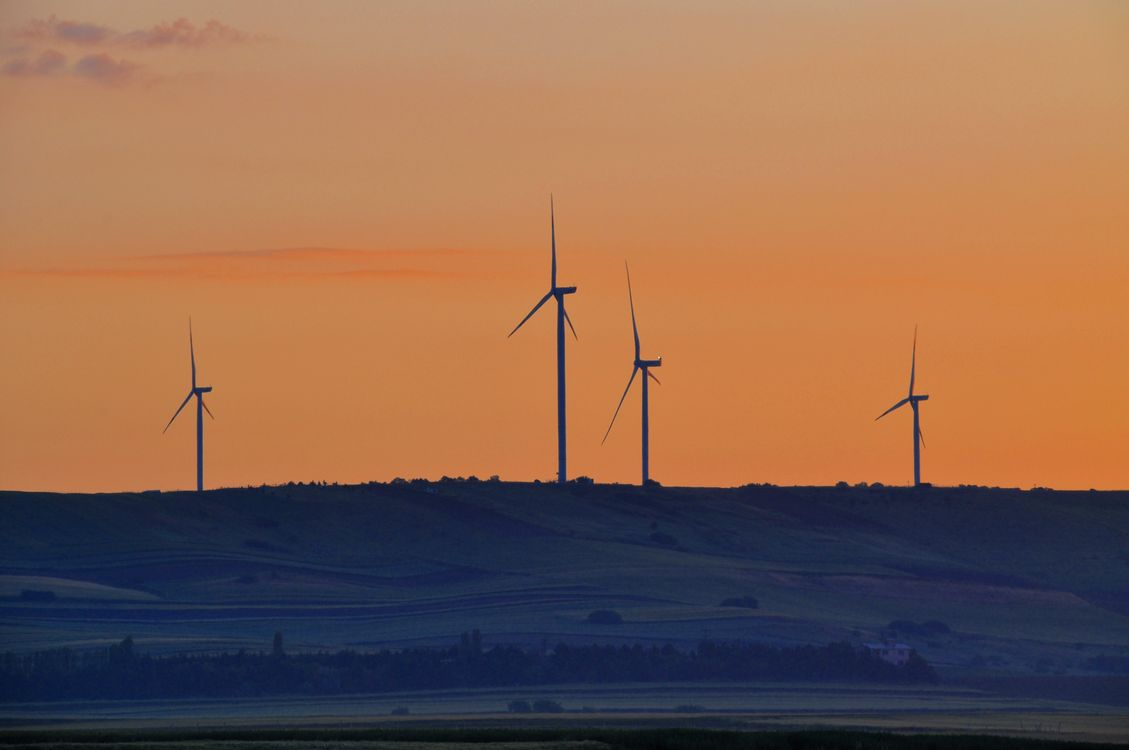
GE Vernova has won an order from Stadtwerke Heidenheim AG for three 5.5MW onshore wind turbines at the Schlotberg-Jüchsen wind farm in the German state of Thuringia. The agreement provides 16.5MW of nominal turbine capacity and includes servicing for 20 years, with deliveries scheduled to begin in August 2027 and commissioning planned for December that year.
Announced on 9 November 2026, the agreement calls for the US-headquartered manufacturer to build the turbines at its Salzbergen factory in Germany. It is the sixth wind project involving the two companies. Once the new machines are installed, Stadtwerke Heidenheim’s German fleet supplied by GE Vernova is expected to reach 74MW in total.
Stadtwerke Heidenheim’s projected 74MW fleet figure describes the customer’s wider collection of GE Vernova turbines, not the capacity of Schlotberg-Jüchsen. The latest order comprises exactly three machines rated at 5.5MW each. GE Vernova has not disclosed the contract value or projected annual electricity production for the new installation.
GE Vernova designates the selected model 5.5MW-158m, identifying a nominal power rating of 5.5MW and a rotor diameter of 158 metres. The company’s broader onshore wind range includes other ratings, but the contract does not specify a 6.5MW machine. The project capacity should therefore be calculated from the three ordered units rather than from the maximum available rating of the wider platform.
Rotor diameter governs the area of air intercepted by a turbine’s blades and influences the amount of wind energy available for conversion. A larger swept area can increase captured energy under suitable conditions, although actual output also depends on wind speed, blade control, equipment limits, and the performance characteristics of the specific turbine.
A turbine’s electrical rating establishes its nominal generating capability, not a guarantee of continuous output. Wind varies across the operating day and year, and turbine controls regulate rotation and power production to keep mechanical and electrical loads within design limits. Annual electricity production cannot be estimated reliably from the installed megawatt rating alone without site-specific resource and availability information.
GE Vernova places the order within a manufacturing strategy centred on standardised turbine platforms. Producing comparable configurations across different projects can support consistent fabrication and servicing processes, although each site still requires its own foundation design, installation planning, and electrical connection arrangements. The company has not published the detailed civil or electrical scope for Schlotberg-Jüchsen.
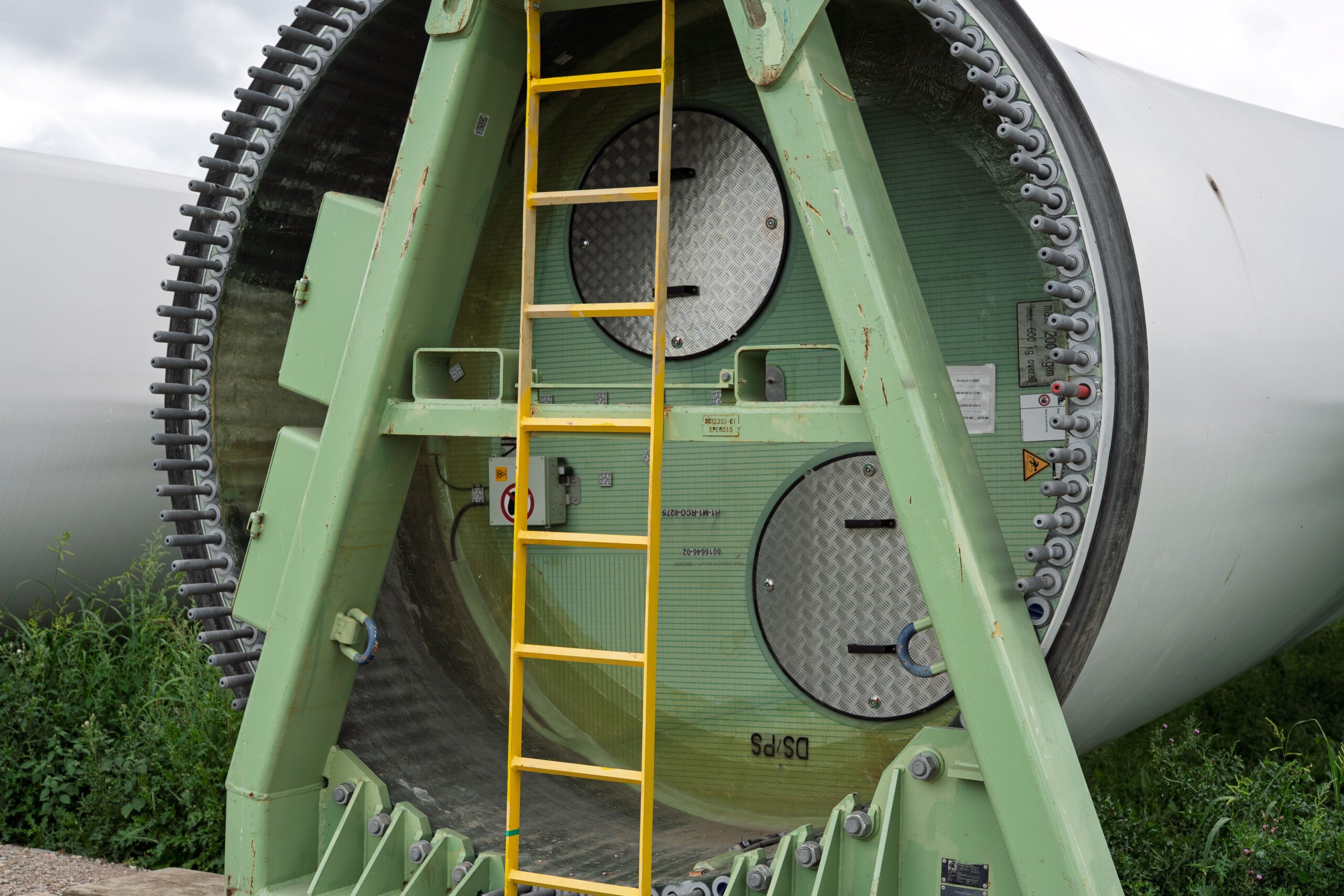
Manufacture at Salzbergen gives the contract a direct connection to GE Vernova’s German production operations. The manufacturer identifies Salzbergen as one of 13 company locations in the country. The stated programme will require the turbines to be fabricated and delivered before installation and the series of mechanical, electrical, and grid-related tests that precede operation.
Earlier delays in the project’s development programme influenced the supplier decision. Raphael Kaim, head of renewable energy at Stadtwerke Heidenheim, said the utility required a supplier capable of meeting statutory deadlines after unexpected delays. The announcement does not identify the cause of those delays, and there is no basis for attributing them to a particular permitting or construction problem.
Deliveries are scheduled to begin in August 2027, leaving a planned period of several months before commissioning in December. The manufacturer’s timetable indicates the intended sequence but does not establish whether site preparation, turbine foundations, crane access, or connection works have already been completed. Those activities must be coordinated with the equipment delivery programme.
Electrical integration will require connecting the three turbines to a collection network and providing a suitable interface with the public grid. At each machine, generated electrical power is delivered through turbine electrical equipment to the wind farm’s internal connection system. Transformers, switching devices, protection arrangements, and control equipment must be configured to meet the requirements of the eventual grid connection.
Commissioning requires mechanical checks and verification of control and electrical systems before normal export can begin. Protection systems must respond correctly to faults, while the turbines’ behaviour during voltage and frequency variations must comply with the applicable connection requirements. No project-specific grid voltage or export arrangement has been provided in the contract announcement.
Servicing over 20 years extends GE Vernova’s role well beyond the expected December 2027 commissioning date. Long-term turbine maintenance typically addresses the inspection of rotating equipment, electrical systems, sensors, and controls, alongside fault response and replacement of components as needed. The precise service scope, availability guarantees, and commercial terms have not been published.
GE Vernova says its wider workhorse turbine technology has accumulated more than 38 million operating hours across over 2,100 units globally. Those are manufacturer-reported fleet figures, not operating results for the three machines ordered for Schlotberg-Jüchsen. The figures provide background on the platform’s deployment but cannot be converted into a performance guarantee for this project.
Stadtwerke Heidenheim’s repeated procurement from the same manufacturer may support familiarity with the equipment and service arrangements, although the announcement does not specify shared spare parts, common monitoring systems, or contractual integration across its existing sites. The new agreement establishes one further project within the relationship rather than a programme-wide replacement of the utility’s fleet.
GE Vernova booked the order in the fourth quarter of 2026. Its next reported milestones are the start of turbine deliveries in August 2027 and planned commissioning in December 2027. Once the installation is complete and authorised for operation, Schlotberg-Jüchsen would add 16.5MW of nominal generating capacity to the utility’s German wind portfolio.