IN Brief:
- Mitsubishi Power has contracted with Triton Power to retrofit existing M701F gas turbines at Saltend in East Yorkshire.
- The upgrade includes dry low-NOx combustion sections, fuel-system changes, combustion monitoring and control systems.
- Installation is planned during 2029 and 2030 outages; future hydrogen co-firing is only a potential development subject to assessment.
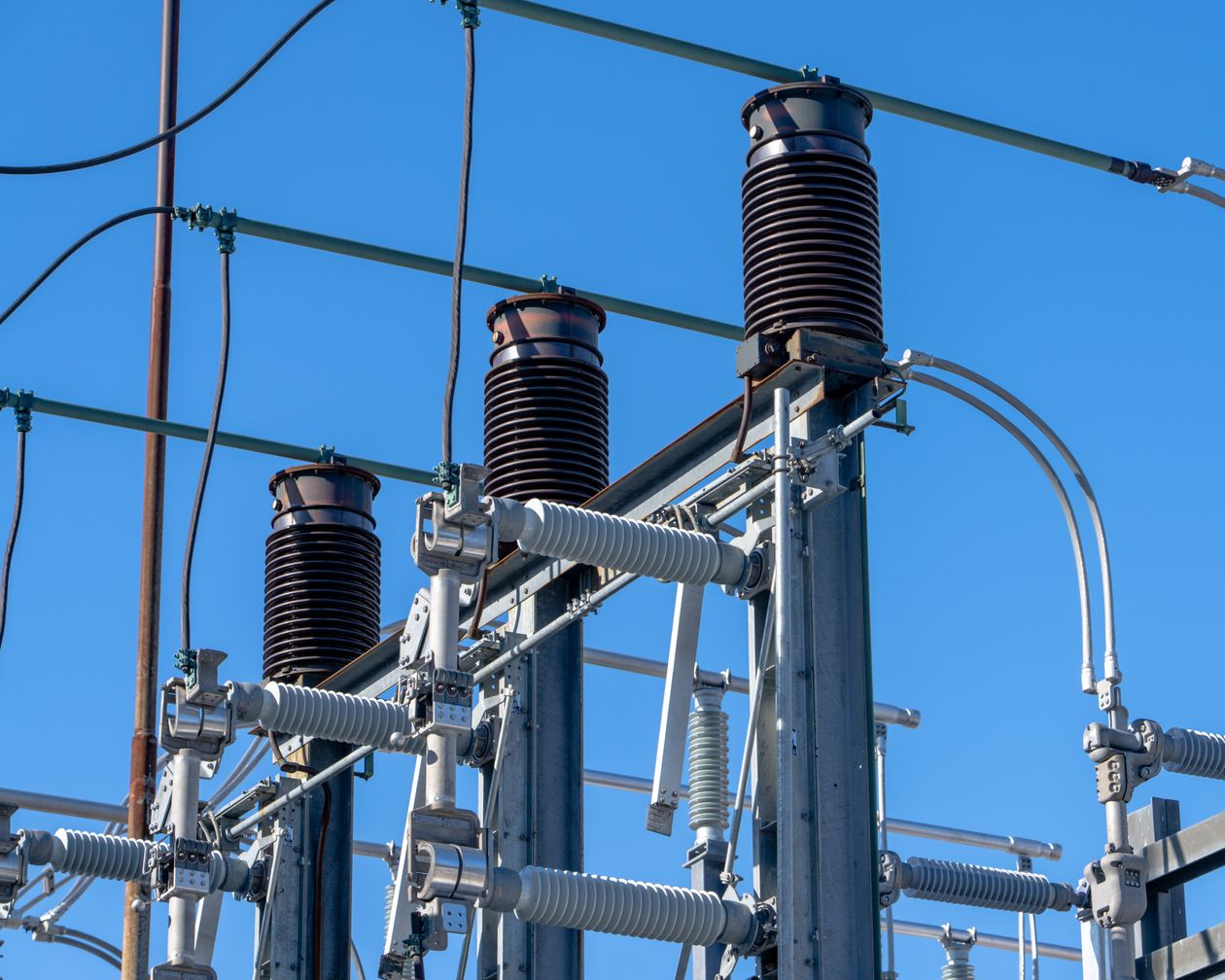
Mitsubishi Power has secured a contract with Triton Power to upgrade the M701F gas turbines at Saltend Power Station in East Yorkshire, introducing a new dry low-NOx combustion system to operating assets. The 1,200MW combined cycle gas turbine and combined heat and power facility supplies electricity to the British network and to industrial customers at Saltend Chemicals Park, alongside steam used by neighbouring industrial processes.
The scope covers replacement of the existing combustion sections with Mitsubishi Power’s Upgraded Dry Low-NOx Combustion System, as well as changes to fuel supply, combustion monitoring and turbine controls. Mitsubishi Power describes it as the first retrofit application of this package to M701F gas turbines operating in a 50Hz market. The company expects lower nitrogen oxide emissions and improved reliability, although it has not published project-specific reduction percentages.
The turbines entered commercial service in 2000 and are to be modernised during planned outages in 2029 and 2030. This is a combustion equipment retrofit rather than construction of new generating units, and Saltend’s announced 1,200MW nominal station capacity does not change as part of the stated contract. Contract value, individual outage lengths and commissioning acceptance thresholds have not been disclosed.
Gas turbine combustion produces nitrogen oxides when air and fuel burn at high temperatures. Dry low-NOx technology is designed to control the combustion process to limit formation of those pollutants without relying solely on downstream treatment or the injection of diluents. The arrangement of combustion components, fuel delivery and control settings influences both flame stability and emissions across the range of permitted operating conditions.
Replacing the combustion sections requires matched changes to the equipment that meters fuel and controls operation. The upgraded monitoring and control system is intended to maintain stable combustion as the turbine changes load, while the burner configuration determines how air and gas are mixed. Mitsubishi Power has not supplied detailed firing curves or a quantified guaranteed reduction for Saltend, so comparisons with newer turbines remain the manufacturer’s stated performance expectation until plant testing is completed.
Combustion control has to balance competing operating requirements. Changing fuel flow, temperature and air mixing to reduce NOx must still allow stable firing through loads and operating transitions that the turbine is required to perform. Additional monitoring is intended to give the control system better information about combustion conditions. Reliability changes can only be confirmed against subsequent performance evidence after installation and testing.
Saltend’s combined cycle equipment uses gas turbine exhaust heat to raise steam for further power generation, and the plant also provides process steam to Saltend Chemicals Park. That makes outage planning more complex than at an electricity-only asset: work on the gas turbines must be coordinated with the station’s broader steam and electricity obligations. The scope of any temporary arrangements for heat users during the 2029 and 2030 outages has not been published.
Triton Power operates the station for its owners, SSE Thermal and Equinor. At a nominal capacity of 1,200MW, Saltend contributes flexible generation while serving adjacent industrial users, but the retrofit does not create a separate new block of installed power. The operational outcome will instead be assessed through combustion emissions, reliability and the available operating range after the upgraded equipment has been commissioned.
Mitsubishi Power expects the upgraded components to help prolong the service life of the turbines while requiring less time and cost than an entire turbine replacement. That comparison is a supplier expectation, rather than a disclosed economic assessment of this project. The exact outage duration and return-to-service milestones for each unit have not been released.
The companies also envisage a possible route towards hydrogen co-firing. Combustion characteristics can change when hydrogen is blended with natural gas, affecting flame speed, stability, fuel handling and nitrogen oxide control. Upgraded hardware may create options for future fuel changes, but Mitsubishi Power has made clear that hydrogen operation would require further technical assessment. There is no confirmed hydrogen blend ratio, hydrogen supply contract or conversion date associated with the retrofit.
Industrial hydrogen projects elsewhere in the Humber do not establish that this station has an agreed hydrogen conversion plan. Mitsubishi Power identifies the combustion work as a possible route towards future co-firing, subject to further technical assessment. The new fuel-handling and combustion configuration would have to be validated for any proposed blend and supply characteristics before a new fuel regime could be adopted.
Engineering design and manufacturing will precede the planned outage installations, followed by inspection, testing and return-to-service procedures. Triton Power has scheduled the work across 2029 and 2030, but neither party has identified a firm hydrogen co-firing date or published measured emissions results from the future retrofit. The immediate development is the awarded contract to modernise existing M701F combustion equipment.