IN Brief:
- Iberdrola and Norges Bank Investment Management added the 274MW Tâmega wind project to their Iberian co-investment alliance.
- The partnership now holds more than 1,800MW of renewables and targets approximately 2,300MW during 2027.
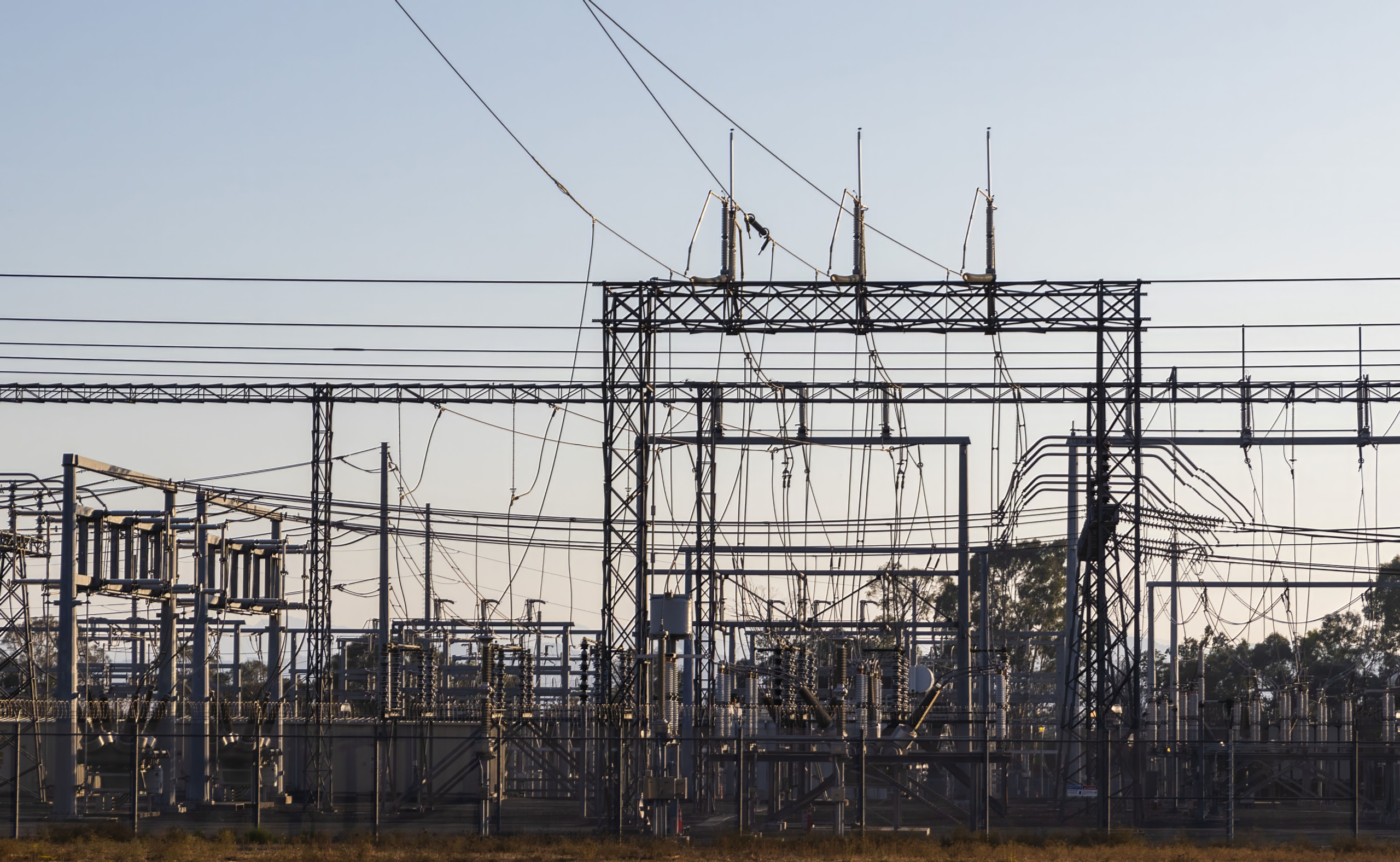
- Tâmega’s wind farms are designed to use a grid connection shared with the adjoining pumped-storage hydroelectric complex.
Iberdrola and Norges Bank Investment Management have added the 274MW Tâmega wind development in northern Portugal to their renewable co-investment alliance, lifting the partnership’s Iberian portfolio above 1,800MW. The transaction brings an operational Portuguese generating asset into a shared investment structure backed by more than €2bn of investment. It follows earlier transfers of Spanish solar generation and extends the partners’ holdings in physical electricity assets across the Iberian Peninsula.
The arrangement extends a partnership through which the Spanish utility and the manager of Norway’s sovereign wealth fund share exposure to renewable generation assets. Iberdrola has progressively brought projects into the structure rather than transferring its entire Iberian development portfolio in a single transaction. The additional Tâmega capacity follows the incorporation earlier in 2026 of 646MW of solar photovoltaic generation at Caparacena and Ciudad Rodrigo in Spain, where the plants had entered service in the preceding year.
The partners intend to expand their shared portfolio to about 2,300MW during 2027, following this year’s additions of Portuguese wind and Spanish solar. That target concerns the capacity held within the investment partnership. It is separate from the physical rating of Tâmega and does not constitute a new grid connection, generation licence, or turbine order at the Portuguese site. Further capacity can enter the vehicle through later transactions involving other assets.
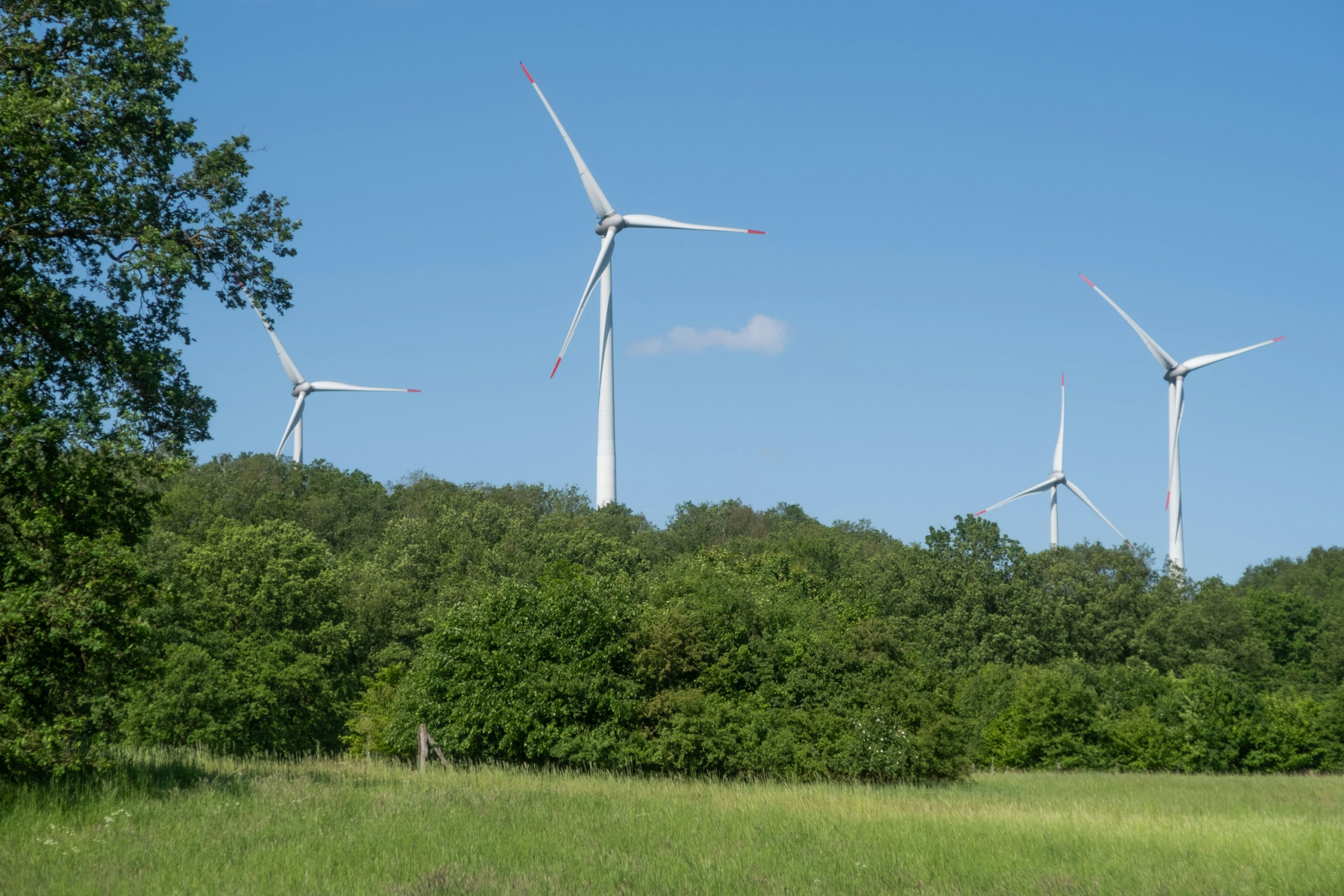
The Tâmega wind development comprises the Tâmega Norte and Tâmega Sur wind farms across the Braga and Vila Real districts. Its design specifies 38 Vestas EnVentus V172 onshore turbines, each rated at 7.2MW, giving an aggregate of approximately 274MW. Iberdrola puts the wind investment at around €350m and projects annual production of 601GWh. The megawatt figure measures the electrical generating rating, whereas gigawatt-hours represent the quantity of energy produced over a year and depend on wind conditions and plant availability.
The two wind farm areas are being integrated with the Tâmega hydroelectric complex, whose existing installed capacity totals 1,158MW across three dams. The wind scheme is designed to use the hydro complex’s connection infrastructure, creating a shared point of interface with the wider electricity network. Such a configuration links generating assets with different operating characteristics: wind output varies with prevailing conditions, while dispatchable hydroelectric capacity can be scheduled around water availability and the operational requirements of the reservoirs.
At the hydroelectric complex, pumped storage allows water to be raised when electrical energy is available and released through turbines when generation is required. The wind farms add output governed by the wind resource, and their connection to the same substation establishes a common electrical interface. Protection coordination, export capacity, transformer ratings, and the grid connection agreement will govern how the facilities operate together; sharing infrastructure alone does not establish the hour-by-hour dispatch pattern of either generating technology.
The wind farms have been developed in separate construction phases. The 195MW Tâmega Norte section comprises 27 turbines and began operating in May 2026, while Tâmega Sur has followed its own installation and commissioning timetable. The new transaction brings the combined 274MW development into the partnership. Electrical operation at each section remains governed by the status of its machines and the requirements of the shared network connection.
Onshore turbine operation depends on more than rotor availability. The wind farms require functioning internal collection circuits, transformers, protection systems, and a grid connection capable of exporting their combined generation. Maintenance access and turbine control determine whether mechanical energy captured at the rotor can be converted and delivered as electricity. These infrastructure arrangements remain in place as the ownership interests change, while the turbine and connection equipment continue to operate under their existing technical requirements.
Under the co-investment approach, the two partners gain exposure to identified power assets while the generating facilities continue to require operations, maintenance, and grid compliance. Norges Bank Investment Management has also been an equity shareholder in Iberdrola for several years, but that shareholding is distinct from the partners’ direct participation in the renewable project vehicle. The Portuguese addition therefore changes the investment portfolio around existing infrastructure, rather than the wind farm’s technical specifications.
The shared connection may reduce the need to duplicate some grid interface assets, but it still imposes electrical operating constraints. Simultaneous wind and hydro generation must remain within the permitted network export and equipment limits, while plant control systems account for the different response characteristics of the turbines and hydro units. The hydro complex’s dispatchable storage and the wind farms’ variable production create potential operational flexibility, although the extent of coordination depends on actual connection and operating arrangements.
Further assets are expected to enter the Iberdrola–Norges Bank alliance during 2027, when the partners are targeting 2,300MW of renewable capacity. Tâmega’s operational arrangements will continue to combine the 274MW wind development with access to the neighbouring 1,158MW hydro complex’s grid infrastructure. Any future portfolio additions will be separate investment decisions involving identified generating assets and their existing grid and operating obligations.