IN Brief:
- Three secured road vehicles brought additional Russian-manufactured fuel to Rooppur on 27 October after an air delivery through Dhaka.
- Unit 2 requires an initial core of 163 fuel assemblies, with its deliveries arranged across multiple flights and mandatory incoming inspection at the site.
- Bangladesh’s first Rooppur unit is further through reactor start-up testing; fuel receipt for Unit 2 does not mean either unit has begun commercial generation.
Rosatom has delivered more fuel for Unit 2 at Bangladesh’s Rooppur Nuclear Power Plant, advancing preparations for the second 1,200MW VVER-1200 reactor. A consignment reached the site on 27 October following air transport to Dhaka and a guarded road convoy to Pabna. Fuel has been placed in specialised storage for inspection before any subsequent nuclear handling. The arrival is a logistics milestone within a programme that also requires regulatory clearance, reactor loading and extensive commissioning tests.
Three trucks entered the project site on Tuesday morning after a cargo aircraft arrived at Hazrat Shahjalal International Airport on 26 October. Local accounts put the transported cargo at approximately 41 tonnes in 12 packages. Police, army and other security services controlled sections of the road route during the transfer. The receiving operation involves more than moving sealed containers: each package and its accompanying documents must be accounted for in the plant’s controlled materials inventory.
Rooppur’s second reactor is designed to operate with an initial core of 163 fuel assemblies. Project officials describe a multi-flight delivery schedule extending through the final months of 2026. Other shipments have carried fuel for future refuelling of Unit 1, creating two separate inventories with different intended uses. The assembly count defines the planned reactor loading, rather than the quantity received in the latest convoy. The transport programme must be completed and individual assemblies accepted before the fuel set can be released for installation.
The assemblies are manufactured at the Novosibirsk Chemical Concentrates Plant within Rosatom’s TVEL fuel division. Each assembly groups fuel rods in a fixed structure that preserves the spacing needed for coolant circulation and reactor control. Rod dimensions, fuel specification and assembly identification must correspond to the approved VVER-1200 core design. Manufacturing acceptance at the Russian plant, shipment in certified transport packages and inspection at Rooppur are successive quality and custody stages, each governed by its own checks.
Bangladeshi specialists are working with contractor and manufacturer representatives on incoming inspections, including visual and instrumental examinations. Those checks establish the condition and conformity of delivered items before further handling. Records must connect the physical assemblies with manufacturing certificates, transport documentation and the receiving inventory. Transport damage, an identification discrepancy or a question about package condition would need resolution within the plant’s quality arrangements before the affected material advanced to the next step.
Rooppur comprises two pressurised-water reactors designed to provide a combined 2,400MW of installed generating capacity. In a VVER reactor, pressurised water circulates through the core and carries thermal energy to steam generators. Water in a separate secondary circuit turns to steam to drive a turbine and electrical generator, while the primary and secondary systems remain separated. Loading fuel is therefore an early nuclear commissioning activity, not the point at which the turbine is ready to export electricity to the transmission network.
Unit 1 has progressed further. Its initial core was loaded earlier in 2026, and the reactor subsequently completed low-power physics testing. Bangladeshi authorities have described a further regulatory review before the power start-up phase, when operators would increase reactor output progressively and test plant systems under changing conditions. Those assessments cover instrumentation, cooling and safety functions as well as the response of generating equipment. Unit 2 still has to complete its fuel receipt and loading preparations before following a comparable sequence.
The dual-unit programme makes fuel traceability particularly important. Assemblies intended for first loading in Unit 2 cannot be confused with the replacement fuel that Unit 1 will use after part of its operating cycle. Storage locations, handling authorisations and inventory records have to preserve that distinction. Fuel must also remain within approved conditions during storage and transfer, with trained personnel and inspected lifting and handling equipment controlling each movement from its transport package to the designated storage position.
International routing has already affected the timetable. A planned September movement was delayed by overflight restrictions, after which revised routes were arranged for deliveries through October. A nuclear fuel shipment requires coordination between the exporter, aviation authorities, destination airport, security services and plant operator; changing a flight corridor can affect the convoy and receiving schedule. The latest road arrival confirms that another batch has reached Rooppur, while the remaining consignments and their inspections still determine when the unit will have the complete accepted fuel inventory.
The next physical and regulatory steps are completion of deliveries, acceptance of the individual assemblies, authorisation to load the second reactor and its staged nuclear start-up tests. Any later move to grid synchronisation will also depend on the performance of the turbine-generator, protection systems and electrical connection. Rooppur’s two units remain at different points in that process, despite sharing a site and reactor technology. The reported delivery changes Unit 2’s material readiness; it does not establish an electricity production date.
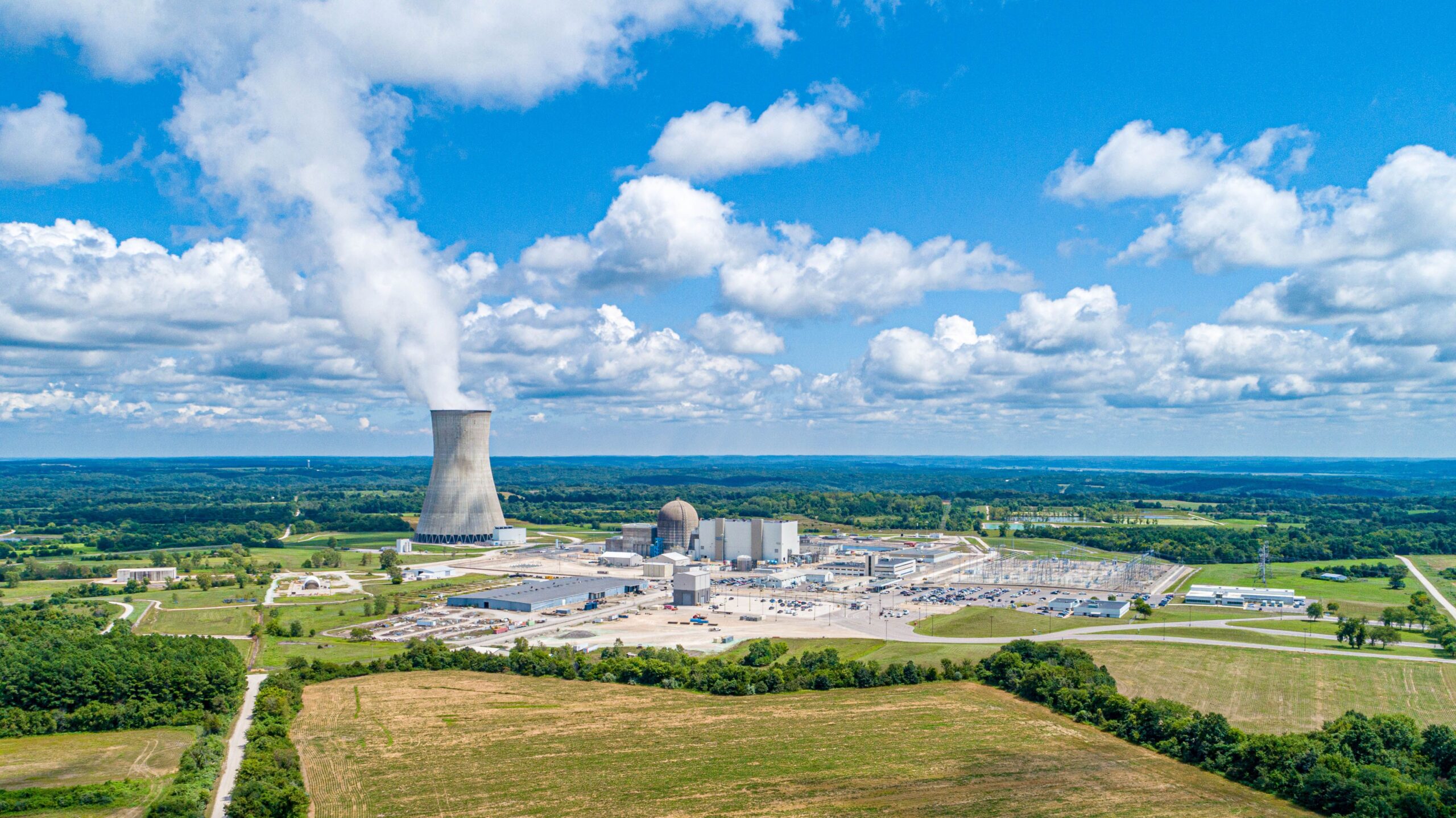
Featured image: Michael Gattorna / Pexels. Illustrative view of the Callaway nuclear plant in Missouri, not Rooppur.