IN Brief:
- Tata Power and BPCL have signed an MoU for 110kV infrastructure serving the Mumbai refinery PRFCCU expansion.
- The proposed connection is intended for a 90MW requirement, with approximately ₹250 crore of combined investment envisaged.
- The separate ₹14,203 crore refinery project and a longer-term 400kV Trombay programme are not part of the same electrical budget.
Tata Power has signed a memorandum of understanding with Bharat Petroleum Corporation Limited (BPCL) to develop a 110kV electricity connection and associated infrastructure for BPCL’s Mumbai Refinery. The proposed network works are intended to meet a 90MW demand associated with the Petro Resid Fluidised Catalytic Cracking Unit (PRFCCU) expansion. The memorandum covers design and development of power infrastructure; construction and energisation remain subsequent delivery stages.
The companies estimate a combined outlay of approximately ₹250 crore, equivalent to ₹2.5bn, for the connection and related electrical infrastructure. They envisage a programme of around 24 months, subject to approvals and project milestones. That amount is separate from BPCL’s approximately ₹14,203 crore PRFCCU investment, which concerns a process unit with a nominal throughput of three million metric tonnes per year. The refinery project and the new grid supply serve related purposes but have different capital budgets.
Tata Power is expected to provide the 110kV connection and develop the equipment needed to deliver electricity to the refinery. Detailed design will establish the receiving substation configuration, circuit routing, transformer capacity, protection arrangements and interface with existing electrical systems. The stated 90MW requirement alone cannot determine how many incoming circuits or transformers will be needed, because firm supply obligations, equipment availability, load diversity and network contingencies must also be considered.
A fluid catalytic cracking plant places substantial electrical demands on its pumps, compressors, fans and other process equipment. Loads can vary with plant operating conditions and start-up sequences, while large motors and power electronic drives affect voltage, reactive power and harmonic performance. The incoming supply and downstream distribution network will need ratings and protective settings compatible with those operating conditions. These are design requirements rather than confirmed specifications for the new Mumbai connection.
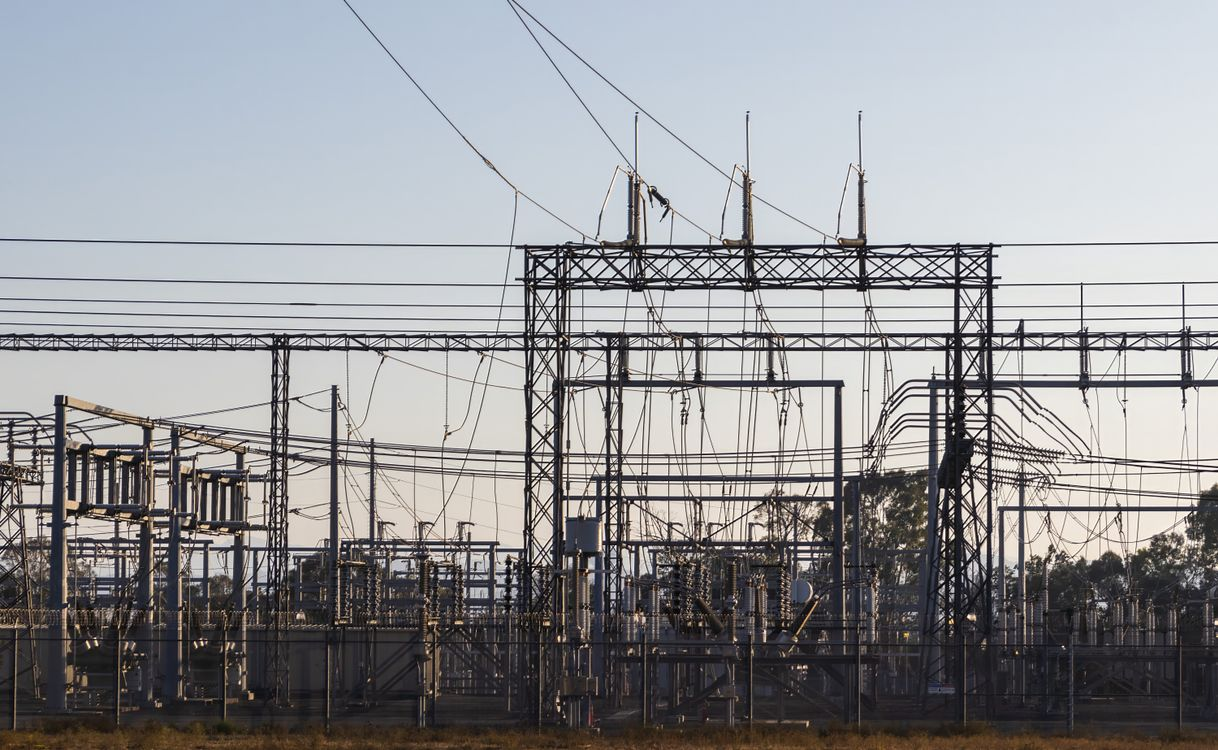
A 110kV feeder can transfer bulk electrical power to a refinery receiving station, where transformers reduce the voltage for the plant’s distribution systems. The connection design must address the continuous and short-duration current ratings of conductors, transformers and switchgear. Fault studies are needed to verify interrupting duties and protection coordination, while voltage regulation and reactive power studies establish how the interface behaves as refinery demand changes. A 90MW peak or planning requirement does not necessarily imply continuous consumption at that level throughout the year.
The connection will have to operate alongside live refinery equipment and existing electricity supplies. Cable routes, switchgear interfaces, earthing, protection relays and isolation arrangements must be engineered so that faults can be cleared without exposing plant personnel or equipment to unacceptable risk. Construction may require coordinated shutdowns or restricted working areas. Before energisation, contractors would normally undertake cable tests, protection injection tests, interlock checks and controlled commissioning of the incoming circuits and receiving equipment.
BPCL is developing the PRFCCU to increase recovery of higher-value refinery products and support petrochemical production. Its process requirements will influence the electrical load profile, including the relative importance of continuous operation, large-drive starts and planned shutdowns. The 90MW design figure must be assessed against actual plant demand and electrical resilience criteria. If the supply is to remain available during a network or transformer outage, the final engineering design will need an agreed contingency standard and suitably rated alternative paths.
Tata Power also expects the 110kV work to reinforce its transmission network in the Trombay area, where industrial and concentrated electricity demand is growing. Any wider network benefit will depend on the final assets and how the connection is integrated into existing circuits. Increased capability at a customer interface does not necessarily translate into equivalent spare capacity available to other consumers, because load flows, contingencies and protection settings govern the permissible operation of the network.
Separately, Tata Power plans to develop a 400kV transmission facility at Trombay over the next five years. That longer-term programme is intended to strengthen electricity evacuation and network availability across the Mumbai industrial and commercial area. The proposed 400kV facility and the BPCL 110kV connection have different voltage ratings, envisaged timetables and network roles. Only the latter is covered by the stated ₹250 crore joint estimate.
The immediate engineering task is to turn the memorandum into an approved connection design and construction programme, with responsibilities allocated between Tata Power, BPCL and their delivery contractors. Equipment procurement, land and site access, protective coordination and grid operating approvals will determine the eventual energisation sequence. The parties currently envisage completion of the electrical development over approximately 24 months, conditional on the approvals and milestones attached to the project.