IN Brief:
- The new agreement concerns possible long-term offtake structures for up to 500MW of battery projects, mostly in the Nordics.
- An earlier agreement covers Pedersöre, a 45MW/90MWh Finnish project owned jointly by Ingrid Capacity and Mirova.
- The framework is exploratory; it does not establish executed offtake agreements, completed financing or construction for 500MW.
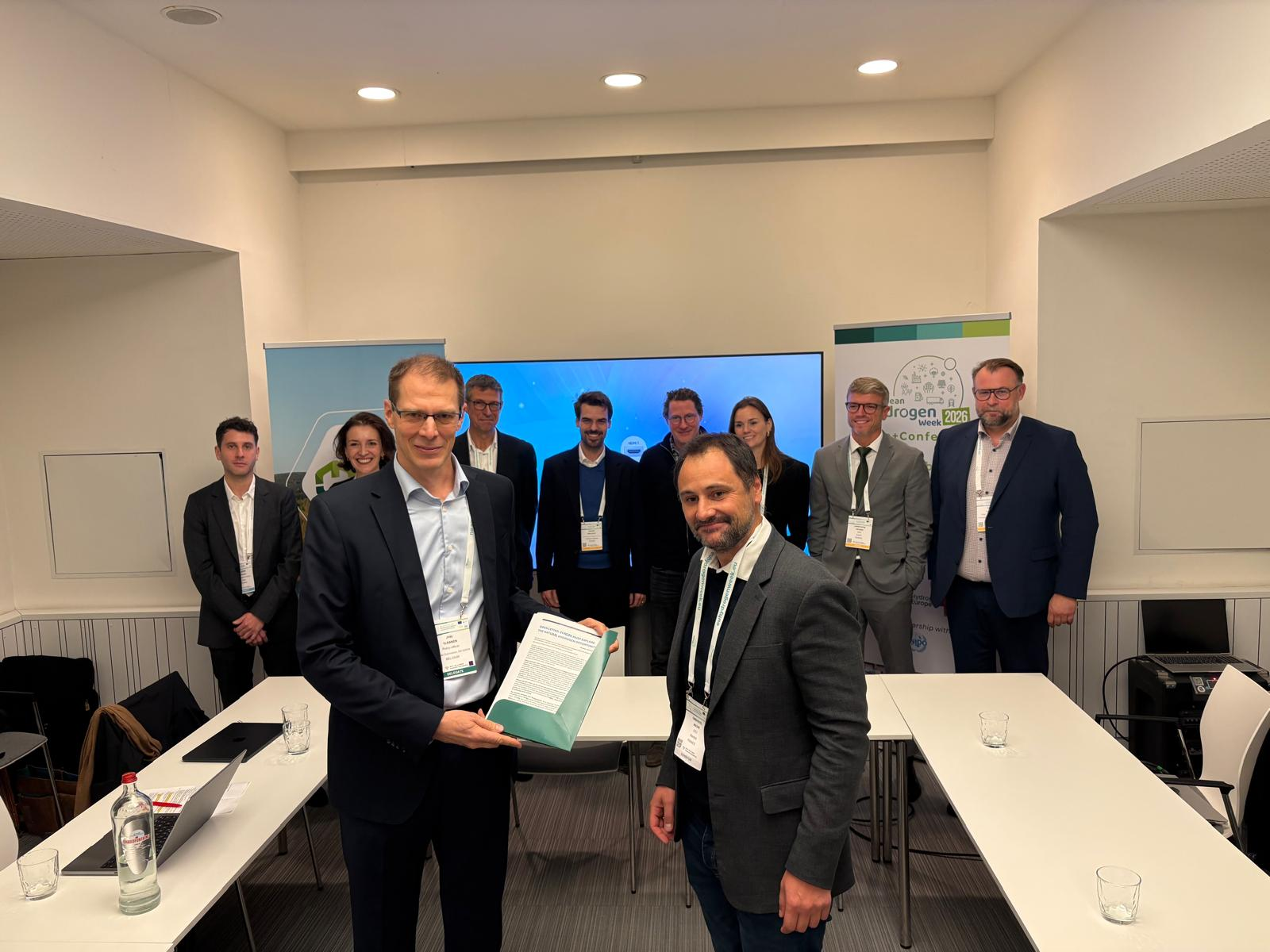
Ingrid Capacity and Swiss energy company Alpiq have signed a framework agreement to explore long-term offtake arrangements for up to 500MW of battery storage projects, principally in the Nordic region. The framework extends a commercial relationship already established at the 45MW/90MWh Pedersöre project in Finland. It does not constitute executed offtake contracts for a further 500MW of capacity.
Pedersöre provides the partners with an identified project and an agreed commercial arrangement. The Finnish battery is jointly owned by Ingrid and investment manager Mirova and was described as ready to build when the latter announced its investment in September. Further sites under the framework would need their own technical specifications, eligibility checks and commercial terms. Neither construction readiness nor financing for the entire prospective portfolio follows automatically from the existing Finnish agreement.
Long-term offtake can make battery projects easier to finance where revenue otherwise depends heavily on volatile wholesale prices and reserve-market opportunities. An offtaker may pay for defined dispatch rights, availability or other services, taking on part of the exposure to changing market prices. The structure matters because the owner must meet debt and operating costs while the amount earned from charging, discharging and flexibility services varies. The exact risk allocation will depend on contracts negotiated for individual assets.
Several forms of contract are possible. A fixed availability payment can support predictable revenue, while a floor-and-sharing arrangement may preserve some exposure to higher market returns. Neither company has disclosed a common price, term, revenue guarantee or agreed structure for the proposed additional portfolio. The framework therefore opens negotiations rather than creating a single power purchase agreement covering 500MW of installed batteries.
Batteries are controllable electrical loads when charging and power sources when discharging. Operators schedule these changes to exploit wholesale price differences, provide balancing services or respond to network constraints. Each use affects the state of charge available for the next instruction, and charging incurs energy and conversion costs. Contracted flexibility must also be compatible with a battery’s inverter rating, energy duration and availability, rather than relying on its headline power rating alone.
At 45MW/90MWh, Pedersöre has a nominal two-hour energy duration at full output. The proposed framework is expressed only as a power figure, up to 500MW; it does not establish the total MWh of the future projects. Energy capacity, degradation assumptions, grid connection terms and the ability to deliver contracted response periods will influence whether a project suits a particular offtake structure. Batteries with identical MW ratings can offer materially different operating durations.
Ingrid develops, operates and commercially optimises battery assets, while Alpiq brings power-market participation and the ability to offer longer-term offtake arrangements. The combination could give project lenders a clearer assessment of future cash flow, provided the eventual contracts allocate dispatch rights, performance risk and market exposure in a form that lenders accept. The parties have committed to examining those structures, without identifying all projects that might ultimately qualify.
In September, Mirova committed €65m to a two-project partnership with Ingrid comprising Pedersöre and the 100MW/200MWh Vaggeryd development in Sweden. Together, the identified assets represent 145MW/290MWh. Vaggeryd was expected to reach ready-to-build status in 2027, placing it at a different development stage from Pedersöre. That investment programme is an established portfolio, whereas the latest framework concerns potential longer-term agreements across a larger group of projects.
Ingrid has separately described a wider portfolio of approximately 950MWh of battery assets in operation, construction and management. This energy-capacity figure cannot be directly compared with the 500MW power ceiling in the Alpiq framework. The number of future projects, their storage durations and any overlap with existing Ingrid assets have not been specified. A commercial portfolio is only measurable as contracted capacity once the underlying projects and agreement terms are confirmed.
Swedish and Finnish storage projects are exposed to different connection charges, balancing-market arrangements and network constraints. Offtake agreements must account for those conditions alongside plant-specific warranties, permitted cycling, maintenance periods and obligations to maintain grid services. If an inverter is unavailable or the battery does not retain enough energy for a promised response, performance conditions may affect the payments received. The buyer likewise needs clear rules governing dispatch instructions and delivery measurement.
The initial Finnish transaction establishes that Ingrid and Alpiq have executed one project-level arrangement. The newly signed framework allows them to assess further assets, with project selection, definitive offtake contracts and financing decisions still to be made. Until those steps occur, the 500MW figure describes a potential negotiating scope rather than operational capacity or a portfolio secured by binding long-term revenues.