IN Brief:
- Eskilstuna Power Reserve is rated at 30MW/60MWh and designed for a two-hour discharge period.
- Monsson says commissioning activities have been completed following their start in September; commercial operation is scheduled for November.
- The system is designed to switch between charging and discharging within three seconds for operation in Sweden’s SE3 zone.
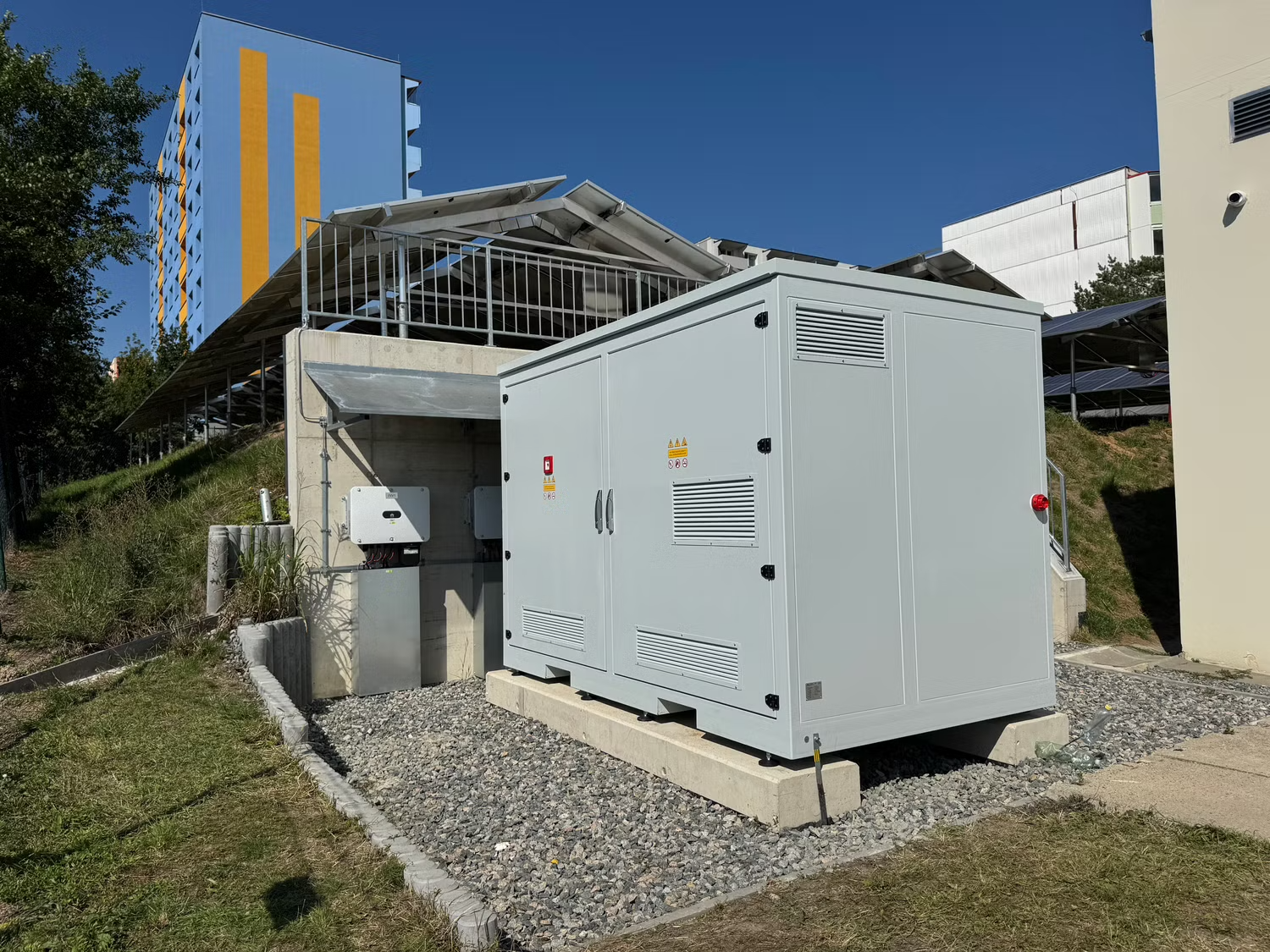
Monsson has completed commissioning activities at its 30MW/60MWh Eskilstuna Power Reserve in Sweden, ahead of a planned start to commercial operation in November. The battery is the Romanian energy company’s first storage investment in the country, where it had previously been active in renewable-generation operation and maintenance. Its controls are designed to support rapid changes in power flow within Sweden’s SE3 electricity bidding zone.
Commissioning began in September and was completed before the project’s launch event in Eskilstuna on 22 October. That sequence establishes a technical handover milestone, rather than proof that all intended market services have entered commercial delivery. Monsson still identifies November as the operating target. The company acquired the Eskilstuna development from Neoen in May 2025, then advanced the project through construction and equipment testing.
The 30MW power rating determines the maximum declared instantaneous exchange with the network, while 60MWh of stored energy gives a nominal two-hour discharge at that output. Actual export duration depends on the usable operating range of the battery, inverter losses, auxiliary consumption and the energy reserved for market obligations. The facility can instead discharge at lower power for longer periods or provide shorter responses, subject to its controls and contractual operating limits.
Eskilstuna lies in Sweden’s SE3 bidding area, which sits between other Nordic price zones and receives variable generation and transmission flows. A battery changes the net demand seen by the electricity system when it charges and supplies power back when it discharges. That controllability can help balance short-term changes, provided the operator can dispatch the asset, has sufficient stored energy, and meets the technical requirements of the service being delivered.
Monsson specifies a change between charging and discharging in less than three seconds. This describes a plant operating capability rather than certification for a particular frequency reserve product. Frequency response and balancing services have their own response-time, metering, telecommunications, endurance and prequalification rules. The battery’s ability to reverse power flow quickly gives it the potential to participate, but market acceptance depends on formal testing and contractual qualification.
Monsson developed the storage technology used at Eskilstuna and has been responsible for the project’s engineering. Its system must coordinate the battery cells, inverters and site protection controls so that rapid power changes remain within thermal, electrical and grid connection limits. A battery management system supervises operating conditions in individual cell groups, while an energy management system decides how much power can be assigned to each dispatch instruction. The company has not specified the site’s cell chemistry or exact grid connection voltage.
Switching between charging and discharging also changes the direction of current through the power conversion equipment. Inverters synchronise their alternating-current output with the grid, while transformers and protection devices manage the network interface. Thermal controls must account for losses during both charge and discharge, particularly under repeated cycling. Protection settings and fault detection remain necessary even when the control system is capable of responding much faster than conventional generating equipment.
The eventual commercial model may combine wholesale electricity trading with reserve or local flexibility services. Revenue from one use can conflict with another: a battery committed to an upward reserve response must retain stored energy, while a downward response may require headroom for charging. Its dispatch schedule must therefore preserve enough capacity for contracted obligations and avoid committing the same power or energy twice. Prices, network charges, efficiency and degradation determine whether individual operating strategies are commercially viable.
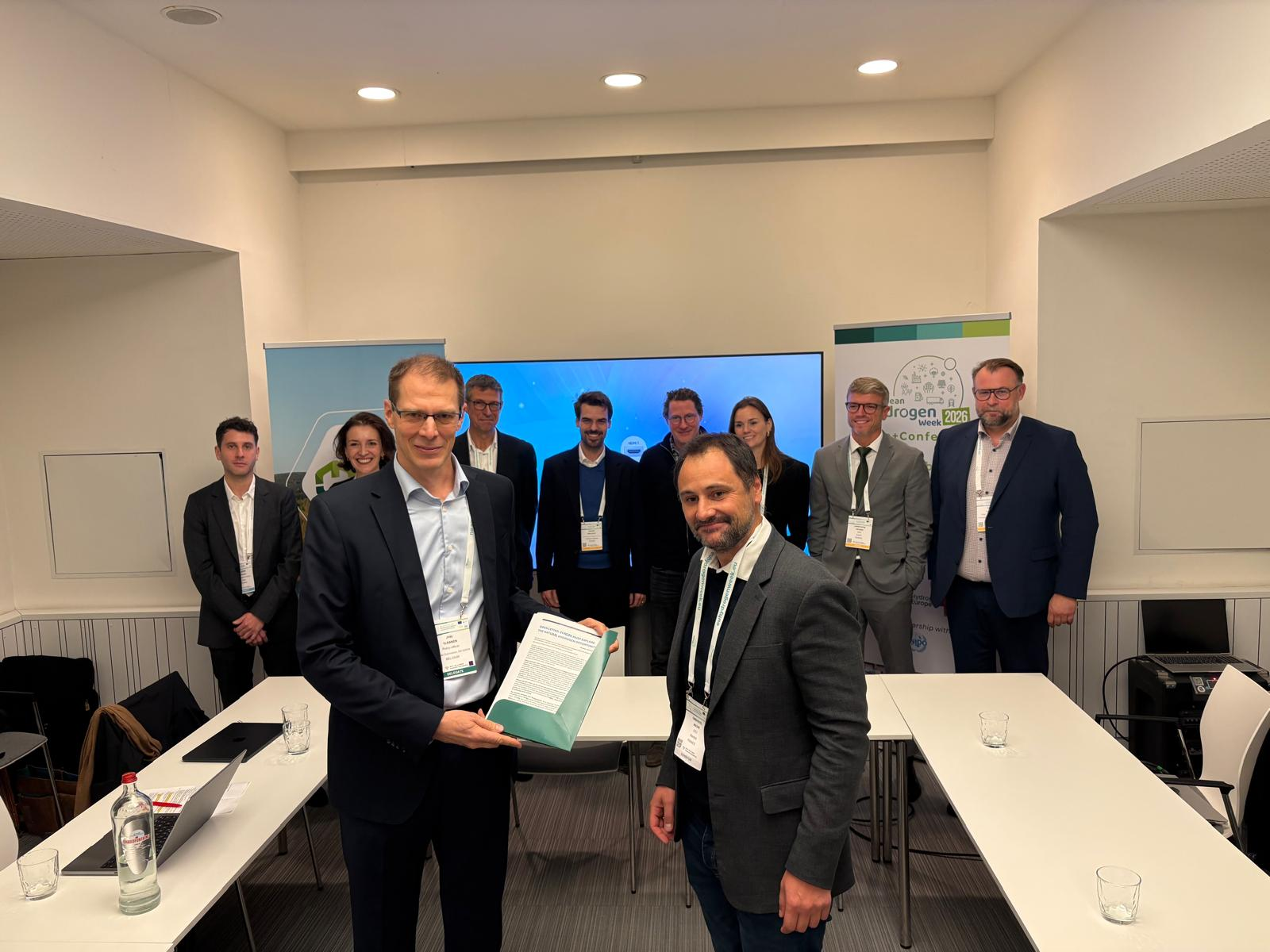
At the launch, Eskilstuna municipal representatives discussed future opportunities involving the local flexibility market. These possibilities would depend on the particular procurement rules and any agreements Monsson concludes with the relevant operator. The event did not establish a signed local flexibility contract. Monsson has also presented Eskilstuna as a basis for further Nordic projects, but the current operational milestones concern this individual installation.
The Romanian ambassador to Sweden said that more than 95% of the project’s components were manufactured in EU member states. The figure is attributable to his remarks at the launch and has not been independently established through a published component audit. It reflects a stated manufacturing-origin claim rather than a verified measurement of the installation’s procurement expenditure, for which a separate breakdown would be required.
Once commercial service begins, available export power and energy will change with the battery’s state of charge, equipment availability and operating temperature. Delivered response time, performance against reserve instructions and degradation under cycling will determine how the stated 30MW/60MWh ratings translate into actual operating capability. Monsson has completed commissioning activities, with commercial operation and the first sustained operating results still scheduled to follow.