IN Brief:
- Construction began on 23 October at the 470MW Parron Maam Marang wind development near Badgingarra.
- Vestas will supply 78 V162-6.2MW turbines, while GenusPlus is delivering a separate A$135m high-voltage connection package.
- The project has a long-term electricity purchase agreement with Synergy and is targeting operation by late 2028.
Atmos Renewables has begun construction of the 470MW Parron Maam Marang wind farm near Badgingarra in Western Australia, advancing the state’s largest wind development following financial close earlier in October.
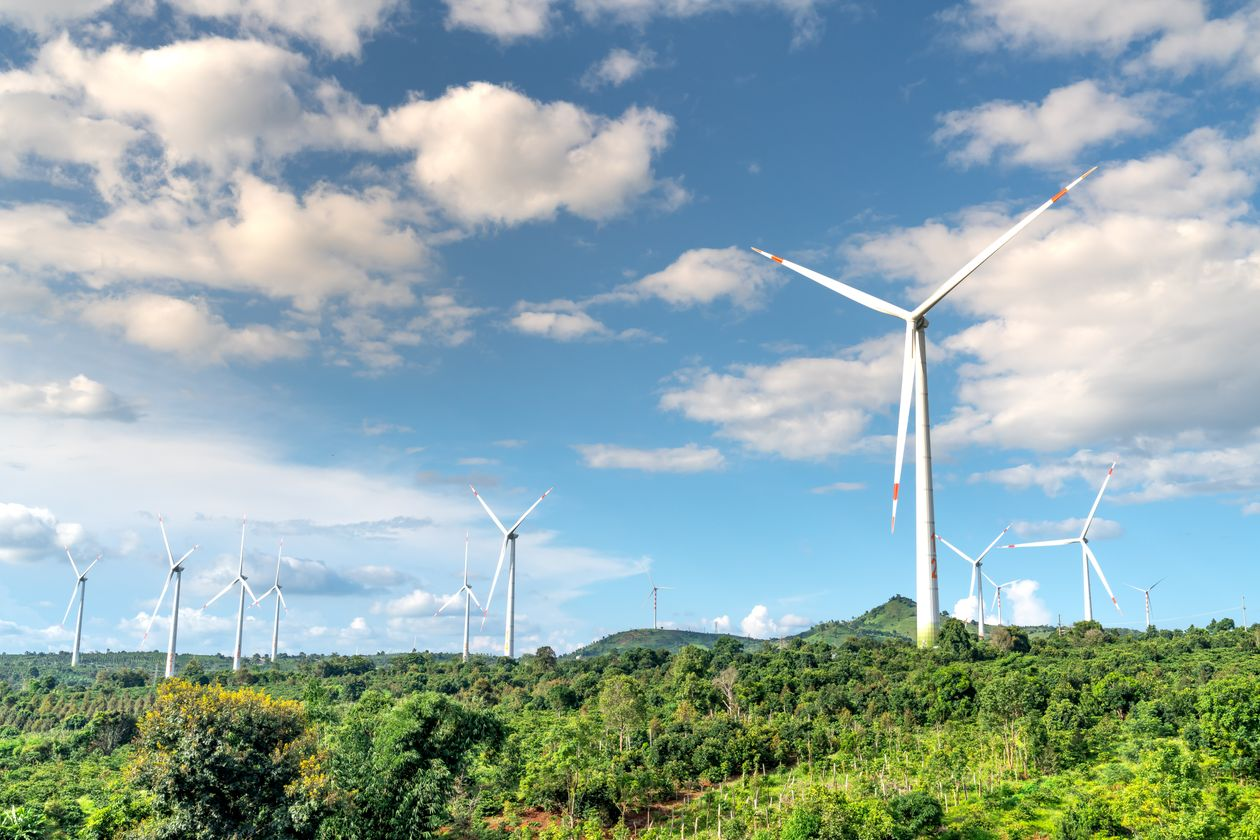
Construction commenced on 23 October at the project in the Shire of Dandaragan, approximately 200 kilometres north of Perth. The installation will comprise 78 Vestas wind turbines across roughly 8,400 hectares of agricultural land, with commercial operation targeted for late 2028.
The construction commencement follows a separate financing milestone at the beginning of October, when Atmos secured funding for Parron Maam Marang alongside its Teebar battery development in Queensland. Financial close established the basis for committing capital, while the latest milestone confirms that the wind project’s physical delivery programme has begun.
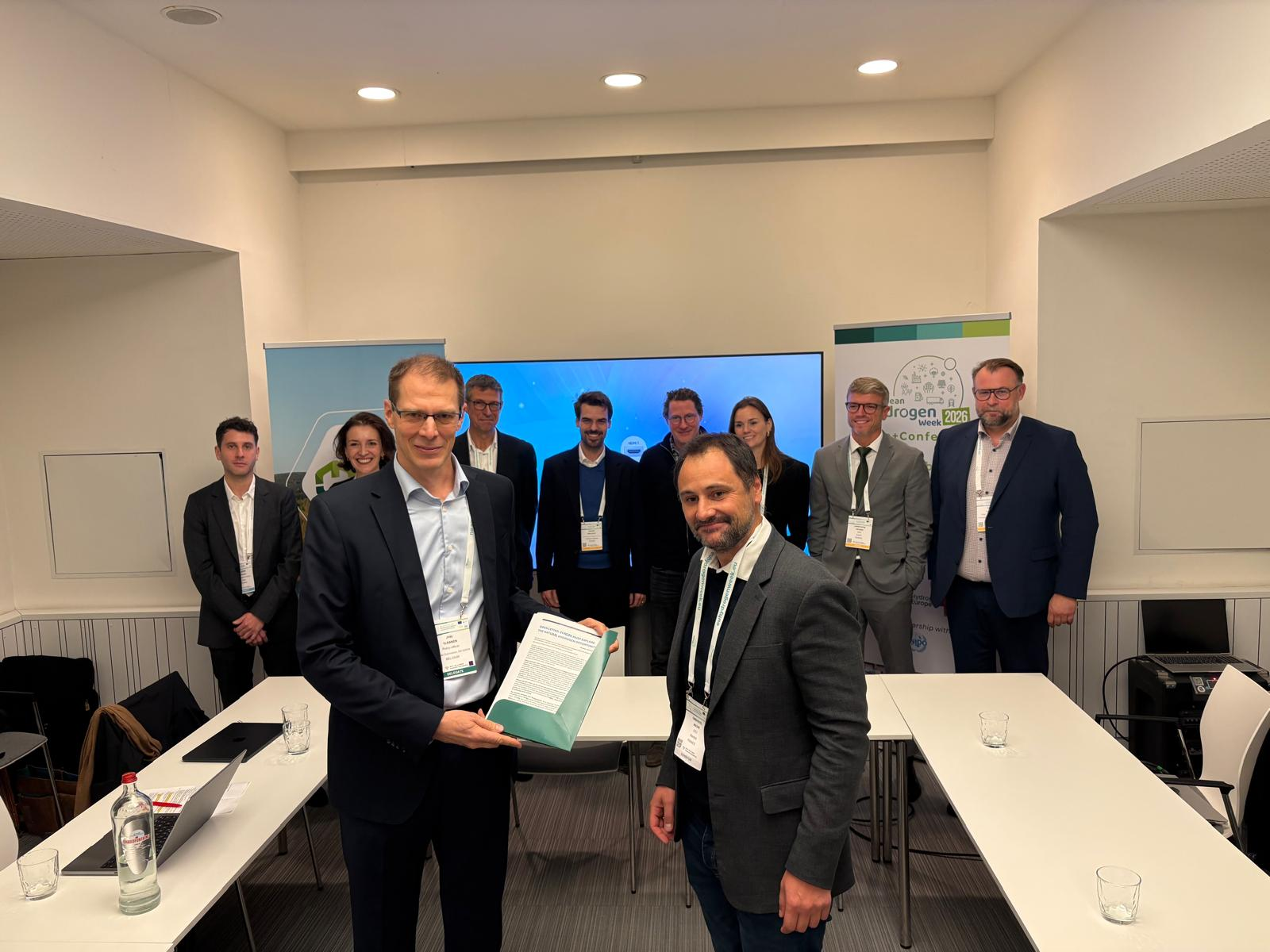
The start of work was marked by an event attended by representatives of Atmos, the Yued Aboriginal Corporation, Synergy, Vestas, GenusPlus, Western Power and the local community. Atmos expects approximately 400 jobs at peak construction and 15 to 20 permanent operations and maintenance roles.
Parron Maam Marang was developed through a partnership between Atmos and Parron Developments. Atmos has subsequently taken full ownership and intends to operate the wind farm following construction. The company has secured a long-term power purchase agreement with Western Australian electricity retailer Synergy.
The project is also supported under the Australian Government’s Capacity Investment Scheme. These arrangements form part of the investment framework supporting delivery, although actual electricity production will depend on wind conditions, equipment availability and the operating restrictions applying to the completed installation.
Vestas has been contracted to supply 78 V162-6.2MW EnVentus turbines. The manufacturer’s order information identifies approximately 484MW of nominal turbine capacity, while Atmos and the Western Australian Government describe the overall wind development as a 470MW project.
Both figures should be retained with their respective definitions. The turbine-order rating reflects the combined nameplate capacity of the machines, whereas the developer’s published project capacity is 470MW. The available construction announcement does not establish the precise technical or contractual basis of the difference, so a particular export restriction or derating arrangement cannot be assumed.
The V162 platform uses a rotor approximately 162 metres in diameter. Rotor size determines the area through which the blades extract energy from moving air, while the power produced varies with wind speed, air density, turbine control settings and mechanical and electrical operating limits.
Modern wind turbines regulate their output by controlling generator torque and blade pitch. At lower wind speeds, turbine controls adjust operating conditions to extract energy efficiently, while higher wind speeds require output and mechanical loads to be managed within the equipment’s design limits.
The combined output of the turbines must be collected through an electrical network within the wind farm. Generated electricity passes through turbine transformers and collection circuits before reaching the equipment that connects the development to Western Australia’s transmission system.
The high-voltage connection forms a substantial separate construction package. GenusPlus has secured a design and construction contract valued at approximately A$135 million for a 330kV connection terminal, transmission lines and associated works within the wind farm substation.
GenusPlus’s published procurement information specifies that its package covers the transmission connection terminal and linking lines, excluding the wind farm’s internal balance of plant works. That distinction separates the infrastructure connecting the development to Western Power’s network from the electrical and civil equipment distributed throughout the wind farm itself.
Designing the 330kV interface requires coordination between conductors, transformers, switchgear, insulation and protective equipment. The terminal must be capable of transferring the authorised power while maintaining electrical clearances, suitable fault protection and the operational requirements imposed by Western Power.
The transmission line work includes foundations, support structures, conductors and associated electrical equipment. Material selection and structural design must account for environmental loading and operating conditions, while electrical clearances and insulation coordination must satisfy the network operator’s requirements.
Protection systems must identify faults and initiate suitable isolation without unnecessarily disconnecting healthy equipment. Their operation has to be coordinated across the wind farm connection and the adjoining transmission assets, using relays, circuit breakers, communication systems and appropriate control logic.
Once constructed, the electrical infrastructure will require testing before energisation. Commissioning activities include verification of equipment condition, insulation performance, protection settings, control responses, metering and the ability of the connection to operate safely under the prescribed network conditions.
The transmission package and wind turbine installation must progress on compatible schedules. Mechanical completion of individual turbines does not establish that the wind farm can export electricity, because the collection system, high-voltage connection and relevant network approvals must also be available.
The site covers agricultural land north of Badgingarra National Park. Turbine installation will require foundations, access roads, crane hardstandings and cable routes, with the final layout designed to accommodate generating equipment while allowing compatible farming activities to continue.
Moving turbine components to the site introduces substantial transport and lifting requirements. Tower sections, nacelles and rotor blades must be delivered and assembled using equipment and access routes suited to their dimensions, while foundations must carry the static and dynamic loads imposed during construction and operation.
Atmos has committed to spending more than A$700 million with Australian and New Zealand businesses and suppliers during the project. Its employment programme will prioritise local participation where possible, with construction procurement creating opportunities across civil works, electrical contracting, transport and supporting services.
The developer has also committed A$470,000 annually to a community benefit fund for the Shire of Dandaragan and surrounding region. A relationship agreement with the Yued Aboriginal Corporation includes employment and contracting opportunities, cultural initiatives and continued involvement of Yued rangers in caring for Country.
The agreement is supported by A$282,000 for First Nations training and workforce development, together with a further A$200,000 for local employment initiatives in partnership with North Metro TAFE. The name Maam Marang means strong wind, recognising the project’s connection to Country and its partnership with the Yued people.
When operational, the wind farm is expected to produce electricity equivalent to the annual consumption of approximately 350,000 homes. That figure is a forecast comparison, not a measured output or a guarantee of continuous generation at the installation’s rated capacity.
Parron Maam Marang’s electricity will be supplied under its long-term agreement with Synergy. Its contribution to the network will depend on the completed generating equipment, the available transmission connection and actual wind conditions, alongside any constraints imposed by electricity system operations.
Following the October construction commencement, the development programme will involve civil works, installation of the Vestas machines and completion of the 330kV connection. The commissioning sequence must bring those components together before the project can begin exporting electricity commercially, with Atmos targeting operation by the end of 2028.