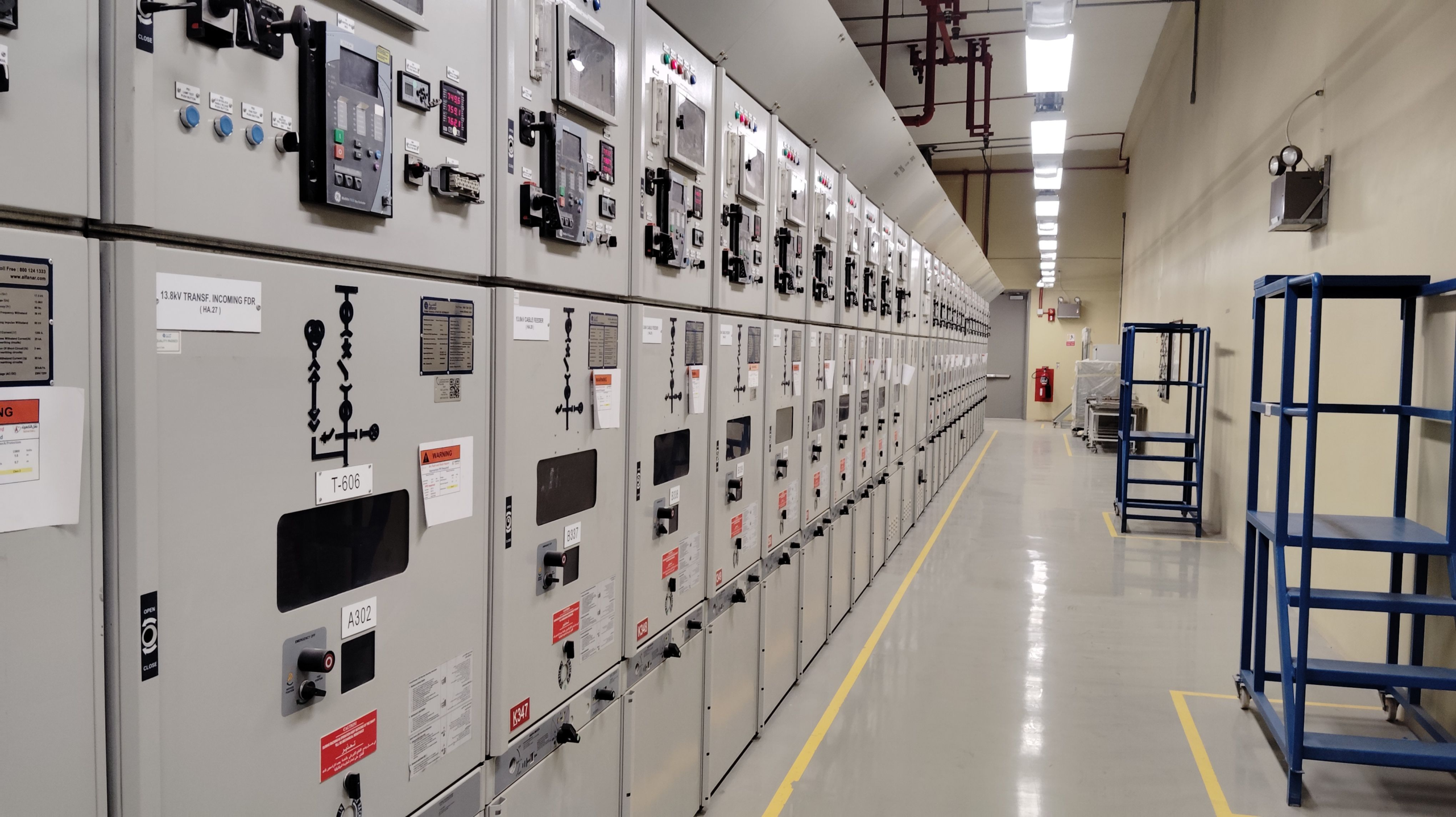
IN Brief:
- The SEK 43 million contract follows a completed tender for an unnamed major Swedish network operator.
- Approximately 1,100 remote terminal unit cabinets of different sizes and functions will incorporate dSense.
- Deliveries are scheduled from the fourth quarter of 2026 through the fourth quarter of 2028.
Techinova has signed a Swedish electricity distribution automation contract valued at approximately SEK 43 million following a competitive procurement. The agreement covers about 1,100 remote terminal unit cabinets, each incorporating the dSense monitoring technology developed with its parent company Dlaboratory Sweden. Deliveries are scheduled to begin in the fourth quarter of 2026 and continue until the fourth quarter of 2028, extending the deployment of monitoring and control equipment across a larger geographic area of a major operator’s local network.
Dlaboratory describes the unnamed buyer as one of Sweden’s largest electricity network companies, serving close to one million customers across regional and local infrastructure. This is Techinova’s third agreement of this type with that operator and the first to extend over a wider geographic area. The October agreement is signed following procurement; it is distinct from the separate SEK 29 million tender announcement made in September.
Remote terminal units connect field equipment to the communication and control systems used by network operators. Depending on the installation, an RTU can collect switch positions, alarm states and measured electrical values, then exchange that information with supervisory control and data acquisition systems. Where remote control functions are installed and authorised, the equipment can also support the operation of switches and other network devices. The precise mix of monitoring and control functions depends on the cabinet and the distribution site it serves.
The order includes cabinets of different sizes and functions rather than one standardised unit. Swedish distribution networks contain a mix of substation arrangements, switching devices and communications interfaces, so cabinet configuration must be matched to each site. Integrating equipment also involves auxiliary supplies, device permissions and coordination with established protection and operating procedures. The quantity of cabinets is specified, while their allocation across individual substations will follow the utility’s detailed deployment plans.
The dSense product adds monitoring and analytical capability at the secondary distribution level, where measurements can be less comprehensive than at primary substations. Dlaboratory describes functions intended to improve visibility of electrical conditions and abnormal events, including indications relating to earth faults and power quality. Measurements and analysis can support fault location and operating decisions; the utility’s switching equipment and established procedures determine how a fault is isolated and supply is restored.
Changes in demand and generation are increasing the need for more detailed information from local networks. Rooftop solar can alter the direction and timing of electricity flows, while electric vehicle charging and electrified heating can create concentrated load changes on particular feeders. Measurements from additional secondary sites may help operators identify where actual network behaviour diverges from planning assumptions. The usefulness of the information depends on sensor coverage, data quality, communications availability and how analysis is incorporated into control-room processes.
A widespread RTU programme also presents an integration task beyond the delivery of physical cabinets. Each site needs appropriate power supplies, communications addressing, device configuration and acceptance tests. Interoperability with existing supervisory systems determines whether events and measurements arrive in a useful form. Changes made centrally must be reflected consistently across field equipment, while maintenance teams need safe procedures for isolating devices and working within energised or operational distribution environments.
Remote field equipment also needs operational-technology security controls because telemetry and command paths interface with the utility’s wider control environment. Device identity management, controlled privileges, network segregation, event logging and managed software updates help limit unauthorised access or configuration errors. The appropriate architecture must accommodate any site communications constraints without interrupting legitimate monitoring or control functions, and its details will be defined through deployment engineering and acceptance testing.
Dlaboratory completed its acquisition of Techinova in September 2026, combining the group’s distribution analytics with Techinova’s RTU, SCADA and automation engineering. A September SEK 29 million tender award represented a different procurement. The new SEK 43 million signed agreement adds a further order for the combined portfolio, with dSense included in every cabinet and a delivery programme extending over two years.
Deliveries are due to start during the final quarter of 2026 and continue through the final quarter of 2028, with Dlaboratory expecting to recognise revenue as equipment is supplied. Cabinets will need configuration, site installation, integration with the operator’s supervisory systems and functional acceptance before their monitoring and control features become available in service. The phased rollout therefore connects a contracted manufacturing programme to the practical task of adding visibility across a geographically broader distribution network.