IN Brief:
- TotalEnergies and KKR have agreed to add three utility-scale US solar projects totalling 700MW to their existing joint venture.
- The Texas and Ohio developments have a combined enterprise value of $1.2bn and are expected to enter operation by the first quarter of 2027.
- The transaction is expected to close in 2026, after which TotalEnergies will continue operating the assets.
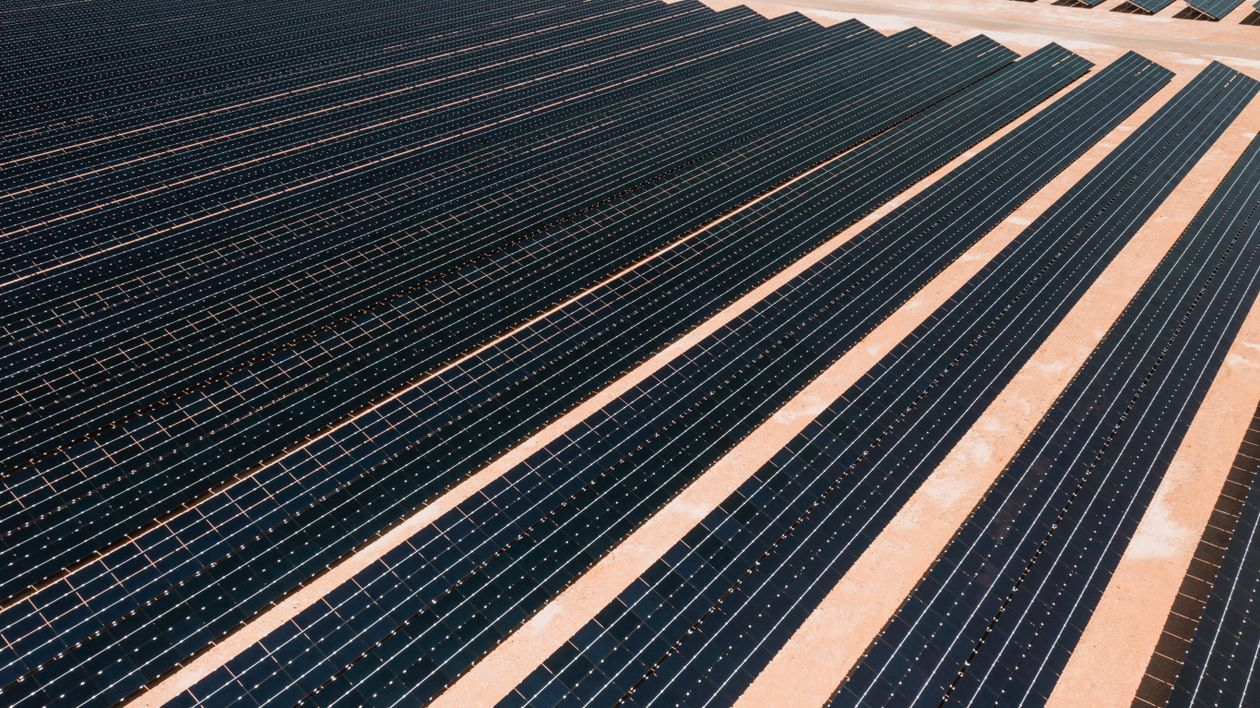
TotalEnergies and infrastructure investor KKR have signed an agreement to add 700MW of utility-scale solar capacity to their US renewable energy joint venture, through the inclusion of three projects located in Texas and Ohio. The proposed transaction would expand a partnership established in 2025, with the new assets expected to reach commercial operation by the first quarter of 2027.
The companies announced the agreement on 12 October, assigning an enterprise value of $1.2bn to the additional portfolio. The figure represents the overall value attributed to the assets and should not be interpreted as the amount paid by KKR, the purchase price for an individual interest or the remaining construction expenditure required.
The existing joint venture is owned equally by TotalEnergies and KKR and currently holds approximately 1.4GW of renewable generation capacity. Adding the three developments would raise its portfolio to approximately 2.1GW, subject to completion of the transaction. The companies expect the agreement to close during 2026 once customary conditions have been satisfied.
TotalEnergies will continue operating the assets after completion. Electricity generated by the projects is either already committed for sale to third-party customers or will be marketed by TotalEnergies, although the announcement does not identify the individual buyers, contract durations or precise commercial arrangements applying to each installation.
The transaction concerns projects progressing towards operation rather than a commitment to begin developing three previously unidentified sites. Their anticipated commercial operation dates fall within the first quarter of 2027, but neither company has disclosed individual project capacities, construction progress or the timetable for each connection.
The locations in Texas and Ohio mean that the developments will have separate electrical connection and operating requirements. Each generating station must export power through infrastructure suitable for its local network, with the arrangements determined by the relevant operator, grid connection agreement and technical characteristics of the project.
Utility-scale photovoltaic installations generate direct-current electricity across large arrays of solar modules. That output is collected through electrical circuits and delivered to inverters, which convert it into alternating current before it passes through transformers and the associated connection equipment.
The completed electrical system must accommodate the permitted generating capacity and regulate its output in accordance with grid requirements. Protection equipment is also needed to detect faults and isolate affected components, while metering and plant controls establish the electrical performance and exported energy used for commercial settlement.
Equipment procurement is closely connected to the commissioning programme because inverter stations, transformers and switching equipment must be available before the generating station can complete its electrical tests. The construction of a photovoltaic array does not by itself establish that power can be exported commercially if the associated connection assets remain incomplete.
Once the projects are operational, TotalEnergies will manage their generation and the commercial arrangements associated with electricity sales. The company’s operating responsibilities will include maintaining generating equipment and managing performance within the applicable network and contractual requirements, although any project-specific service contracts have not been disclosed.
The distinction between generation capacity and electricity delivered is relevant to the financial arrangements. A 700MW solar portfolio does not produce 700MW continuously, because its output varies with daylight, weather conditions and equipment availability. Revenues depend on the energy generated and the commercial prices or contractual payments associated with that production.
Where electricity is sold through long-term contracts, those agreements can provide a more predictable commercial basis for financing and operating the assets. Production sold into electricity markets instead depends on the prices achieved at the time of generation. The announcement indicates that both types of commercial management may be relevant to the new portfolio, without identifying their respective proportions.
The venture provides a shared ownership structure through which the two partners can hold generating infrastructure while TotalEnergies retains operational responsibility. Such an arrangement separates the provision of investment capital from day-to-day management of the projects, with returns and responsibilities allocated through the partnership’s agreed terms.
Those terms have not been published in full, and the companies have not identified any changes to the 50:50 ownership of the wider joint venture. The transaction adds generating assets to an established partnership rather than creating a new investment vehicle or transferring operational responsibility to KKR.
Its proposed completion date also differs from the expected commercial operation of the projects. The partners anticipate closing the ownership transaction during 2026, while the three solar installations are expected to begin operating by the first quarter of the following year. The two milestones depend on different processes, with transaction conditions governing the former and engineering delivery, network connection and commissioning determining the latter.
TotalEnergies has been expanding its renewable electricity activities in the United States through both development and investment partnerships. The agreement with KKR increases the capacity represented by their shared portfolio, but the companies have not announced any additional battery storage or other technologies as part of these three solar projects.
The next confirmed milestone is completion of the transaction, expected before the end of 2026. The planned operating dates in early 2027 will then depend on the remaining construction and electrical commissioning activities at the three sites.