IN Brief:
- Sineng Electric has begun delivering grid-forming power conversion equipment for the Nefertiti and Horus battery projects in Egypt.
- The manufacturer's original Chinese announcement specifies integrated 12MVA medium-voltage stations incorporating 1.6MW central converters.
- The first 1.1GW of equipment shipments is expected by the end of 2026, with plant-level black start specified for both projects.
Sineng Electric has begun deliveries of grid-forming power conversion equipment for the Nefertiti and Horus battery energy storage projects in Egypt. The manufacturer expects to complete shipments covering the first 1.1GW of equipment by the end of 2026, with both installations designed to provide electrical grid support and plant-level black-start capability once commissioned.
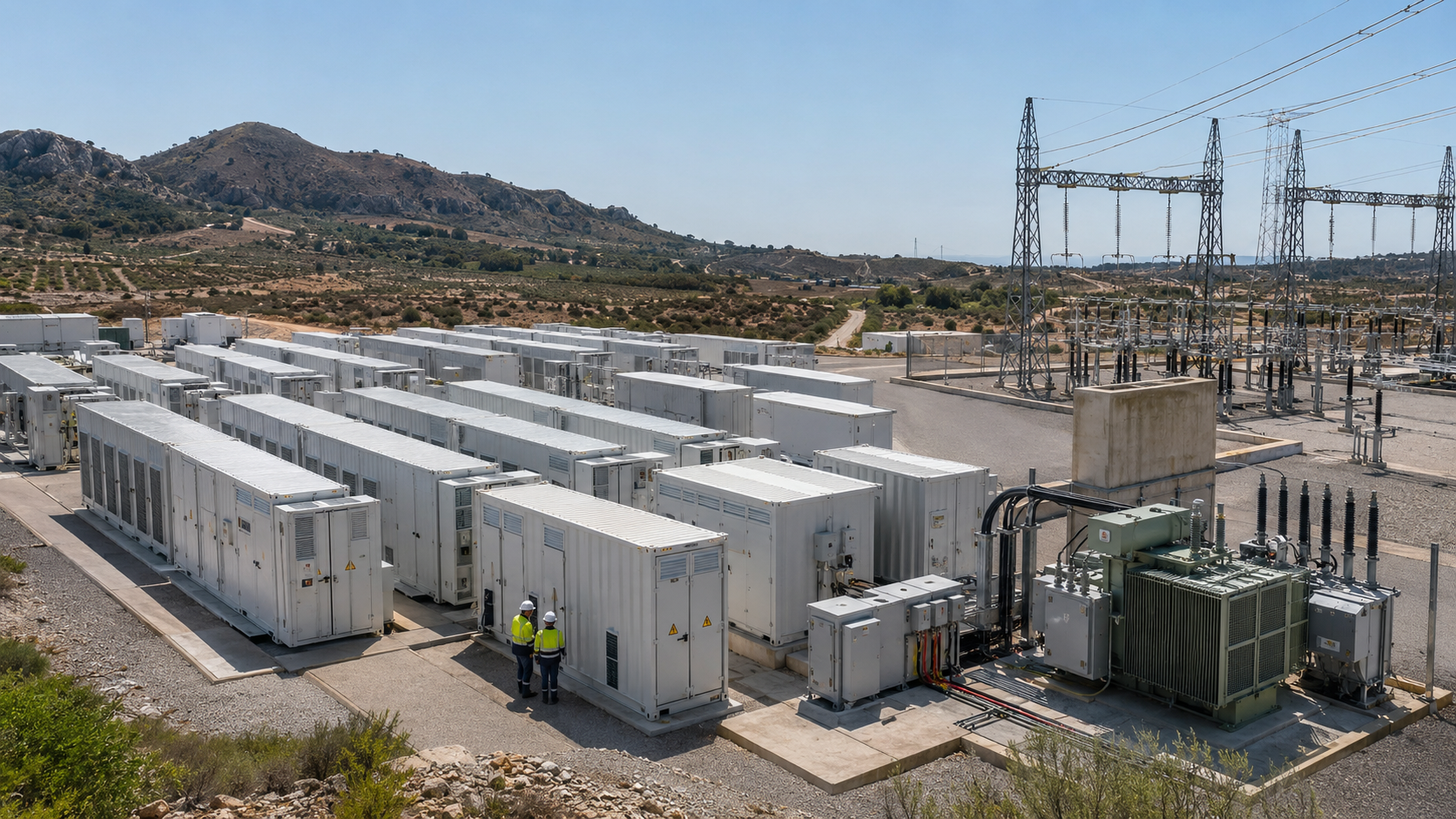
The projects will use medium-voltage integrated power conversion stations based on Sineng’s 1.6MW central converter technology. The manufacturer’s original Chinese announcement specifies a 12MVA rating for the larger integrated stations, which combine conversion and voltage-transformation equipment. Its English release describes these as 12MW stations, although active power and apparent power are distinct electrical ratings.
Sineng has not disclosed the number of integrated stations assigned to each project or the separate battery energy capacities associated with the equipment deliveries. The 1.1GW shipment figure therefore describes the converter supply programme and should not be interpreted as confirmed installed storage capacity or electricity generation already available to the Egyptian network.
Nefertiti is located in the desert region around Aswan, while Horus is near Egypt’s Red Sea coast. Sineng describes Nefertiti as a major standalone battery installation under construction, with the company expecting it to become Africa’s largest individual standalone storage project when completed. That description remains a company claim rather than a verified ranking of commissioned facilities.
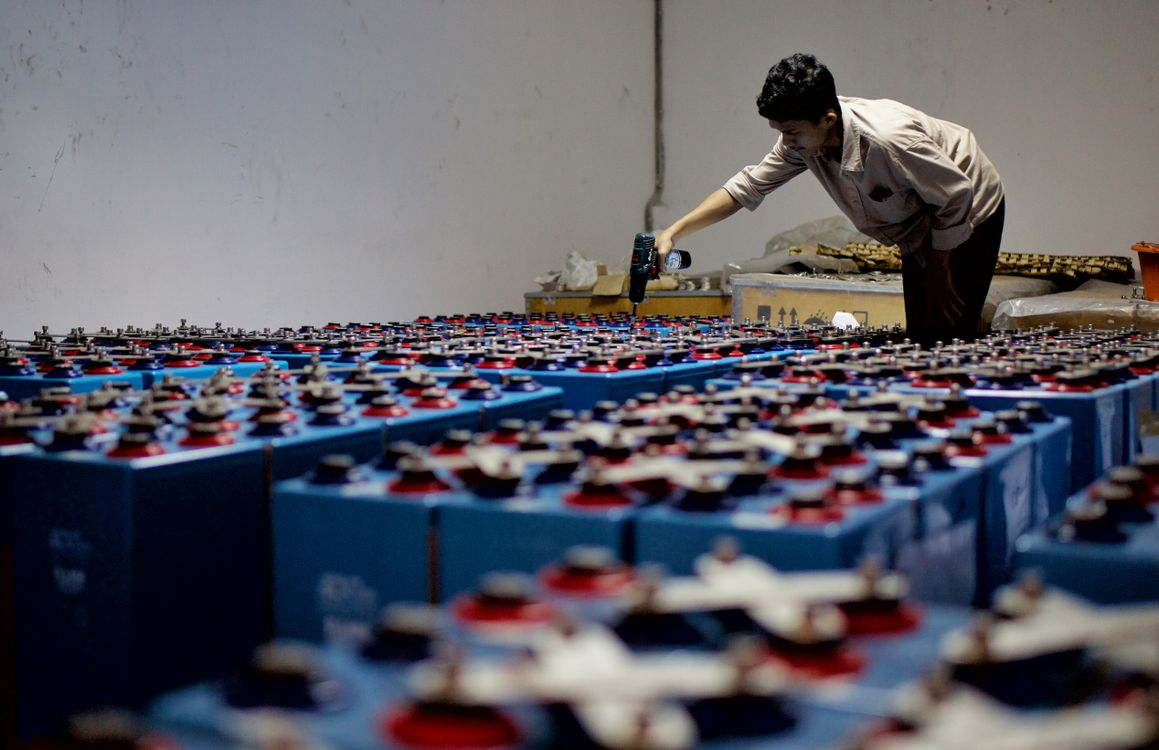
Both developments will rely on power conversion systems to connect direct-current battery equipment to the alternating-current electricity network. During charging, the converters transfer electricity into the batteries, while discharge requires stored energy to be converted into AC power at the electrical connection. The equipment must operate within the battery systems’ voltage, current and thermal limits while meeting the network’s requirements for power quality and protection.
Integrated medium-voltage stations bring several elements of this electrical interface into a repeatable equipment configuration. Converter units control the flow of electricity, while transformers provide the voltage change needed for connection to the plant’s medium-voltage collection network. The complete installation still requires coordinated switching, protection, auxiliary supplies and supervisory control systems.
The grid-forming capability specified for both projects concerns how converters behave when connected to the wider electricity system. Conventional grid-following controls generally use the existing network voltage as a reference for synchronising their output. Grid-forming controls can establish and regulate a voltage waveform, allowing suitably configured equipment to contribute directly to voltage and frequency stability.
This capability becomes increasingly relevant as electricity systems incorporate more generation connected through power electronics. Conventional synchronous generators contribute mechanical inertia and other electrical characteristics associated with rotating machines, whereas inverter-based resources depend on their controls and available energy to deliver appropriate responses during disturbances.
Grid-forming converters can adjust active and reactive power in response to changing system conditions, subject to the equipment’s current limits and the amount of energy available from the batteries. Their performance depends on the control algorithms, settings and coordination with other generation and network equipment. The presence of grid-forming functionality does not establish that a battery can maintain stable operation under every possible network fault.
Both Nefertiti and Horus have also specified plant-level black-start capability from the initial design stages. Black start involves energising electrical equipment without relying on an established external supply, potentially supporting restoration after a network outage. Delivering that function requires more than an individual converter’s ability to produce a voltage waveform, because transformers, auxiliary systems, protection equipment and connected loads must be energised in a suitable sequence.
Sineng says it has worked with the project owners and engineering, procurement and construction contractors on system-level implementation plans for grid-forming and black-start operation. The announcement confirms that these functions are design requirements, but it does not report completed site acceptance tests or successful black-start demonstrations at either Egyptian installation.
The two locations have also influenced the equipment supplied. Nefertiti’s desert environment exposes electrical enclosures and cooling systems to high temperatures, sand and dust. Power electronic components produce heat during operation and must remain within defined temperature limits, making thermal management and enclosure protection important to equipment availability.
Horus presents a different operating environment because of its proximity to the Red Sea. Humidity and salt spray can accelerate corrosion and affect electrical insulation where contaminants reach vulnerable components. Sineng says it has incorporated additional protective measures for the coastal installation, while adapting its Nefertiti equipment to the thermal and dust conditions at Aswan.
The company expects the completed battery projects to provide services including peak shaving, frequency regulation and smoothing of variable renewable electricity production. Their ability to deliver those services will depend on battery energy capacity, converter capability, the approved connection arrangements and the services contracted by the system operator or other electricity market participants.
Sineng’s equipment deliveries form part of Egypt’s wider investment in electricity storage as solar and wind capacity expands. Batteries can alter the timing of electricity imports and exports, while appropriate converter controls can support the electrical behaviour of the system when generation or demand changes.
The current milestone is the start of equipment shipments, rather than installation or commissioning of the complete storage projects. Site construction, electrical integration, testing and the demonstration of specified operating functions remain necessary before the systems can provide their intended grid services. Sineng expects the first 1.1GW of converter shipments to be completed by the end of 2026.