IN Brief:
- UrbanChain began supplying electricity to Shoreham Port in October under a new renewable energy partnership.
- The port operates a 115-acre estate with 175 tenants and already has solar generation and two 100kW wind turbines.
- Future opportunities include coordinating battery storage and flexible electricity demand, but no new flexibility service has been confirmed as operational.
UrbanChain has begun supplying electricity to Shoreham Port under a renewable energy agreement covering the port’s operations on the south coast of England. The partnership took effect in October and is intended to support the port’s existing electrical requirements as it develops further on-site generation, energy storage and the electrification of industrial equipment.
Shoreham Port operates a 115-acre estate accommodating 175 tenants, with commercial activities including cargo handling, shipping and industrial operations. It typically handles approximately 1.5 million tonnes of cargo and records around 600 commercial ship calls each year. The electricity required across the estate reflects these varied operations, alongside the port’s own buildings, machinery and other infrastructure.
The immediate change is the appointment of UrbanChain as electricity supplier. The agreement does not establish that the company has installed additional generating equipment, commissioned battery storage or begun managing the port’s participation in electricity flexibility markets. Those opportunities form part of a wider relationship that the two organisations intend to explore as the estate’s electrical requirements develop.
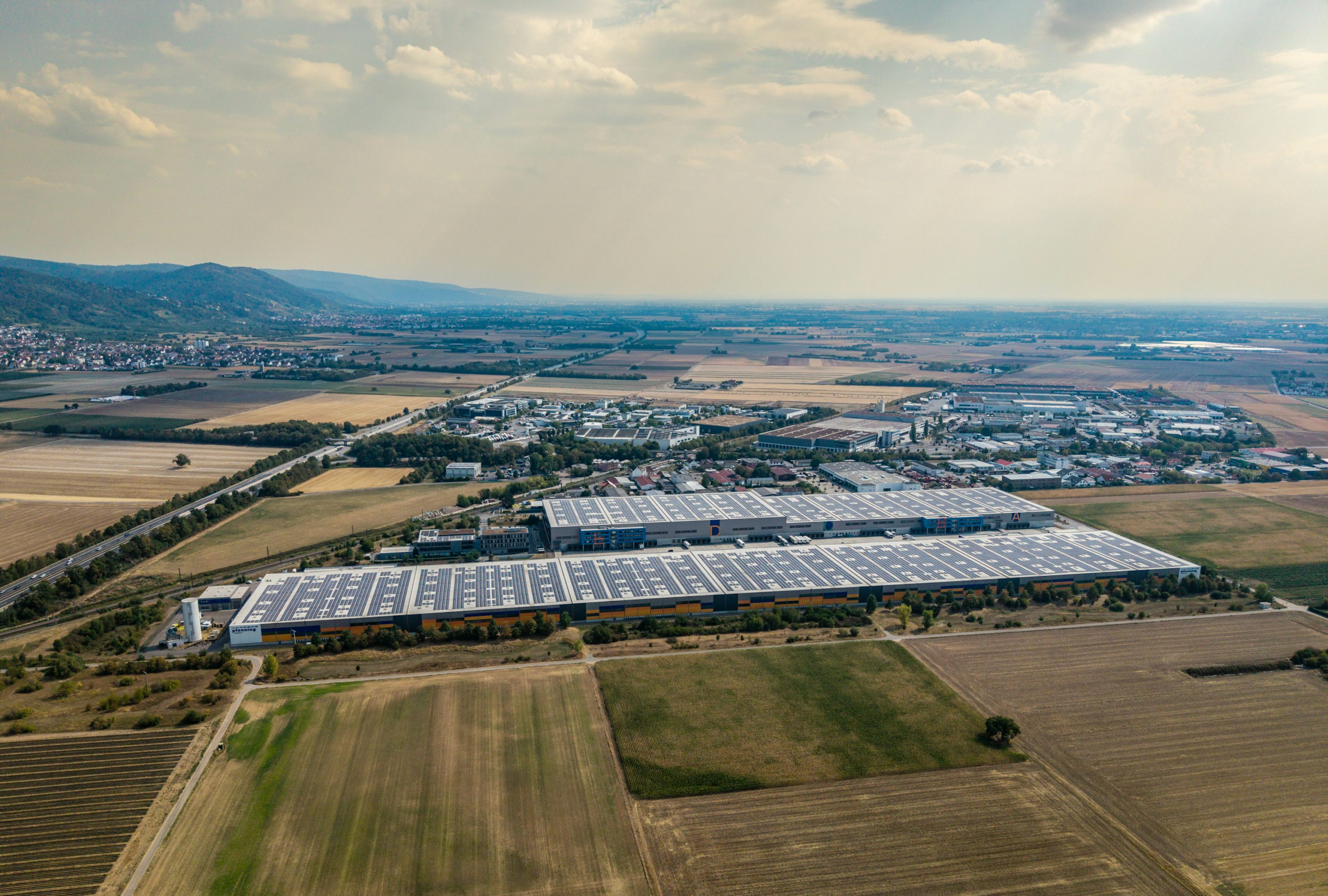
Shoreham already operates on-site renewable generation, including solar photovoltaic installations across port buildings and two wind turbines supplying electricity directly to its pump house. Its 2024 sustainability reporting recorded more than 11,000 solar panels across the estate, while the wind installation comprises two Norvento machines rated at 100kW each.
The turbines are connected to the pumping facilities used to maintain water levels in the port’s canal basin. These pumps operate when required to replace water lost as vessels pass through the lock gates, creating a load that depends on port activity rather than the availability of renewable generation.
Shoreham’s earlier operating reports indicate that the wind installation generates approximately 400MWh of electricity annually, although output varies with weather conditions. Electricity from the turbines can contribute to the pumping load when it is available, while the wider electricity supply remains necessary to meet demand when generation and pump operation do not coincide.
Solar generation creates a similar need to coordinate production and consumption. Photovoltaic systems generate electricity during daylight hours, with output affected by cloud cover and seasonal conditions. Port machinery and industrial facilities may consume electricity throughout the day and night, meaning local generation cannot be assumed to match the estate’s demand at every moment.
UrbanChain is an Ofgem-licensed supplier that operates commercial arrangements matching electricity demand with renewable generation. Its model provides customers with information about the sources associated with their electricity purchases and a route for procuring power through agreements involving renewable generators.
Those arrangements should be distinguished from a dedicated physical electricity connection to a particular renewable installation. Electricity supplied through the public network is delivered through a shared electrical system, while the relevant commercial contracts determine how generation and consumption are matched and accounted for.
The agreement is intended to develop alongside Shoreham Port’s target of achieving net-zero Scope 1 and 2 greenhouse gas emissions by 2035. The port expects electrification of mobile machinery, cranes and road-going heavy goods vehicles to form part of that programme, increasing its reliance on electrical infrastructure as equipment currently using other fuels is replaced.
Different types of equipment will create different operating demands. Electrified cranes can impose concentrated loads during lifting operations, while heavy goods vehicle charging depends on battery capacity, charging power and the periods during which vehicles are available. Coordinating these requirements may become increasingly important if several items of equipment operate or charge at the same time.
Further electrification may require changes to the port’s internal electrical distribution system or an increase in the capacity available at its network connection. The scale of any reinforcement will depend on the equipment selected, existing spare capacity and the extent to which charging or other electrical loads can be managed within the port’s operating programme.
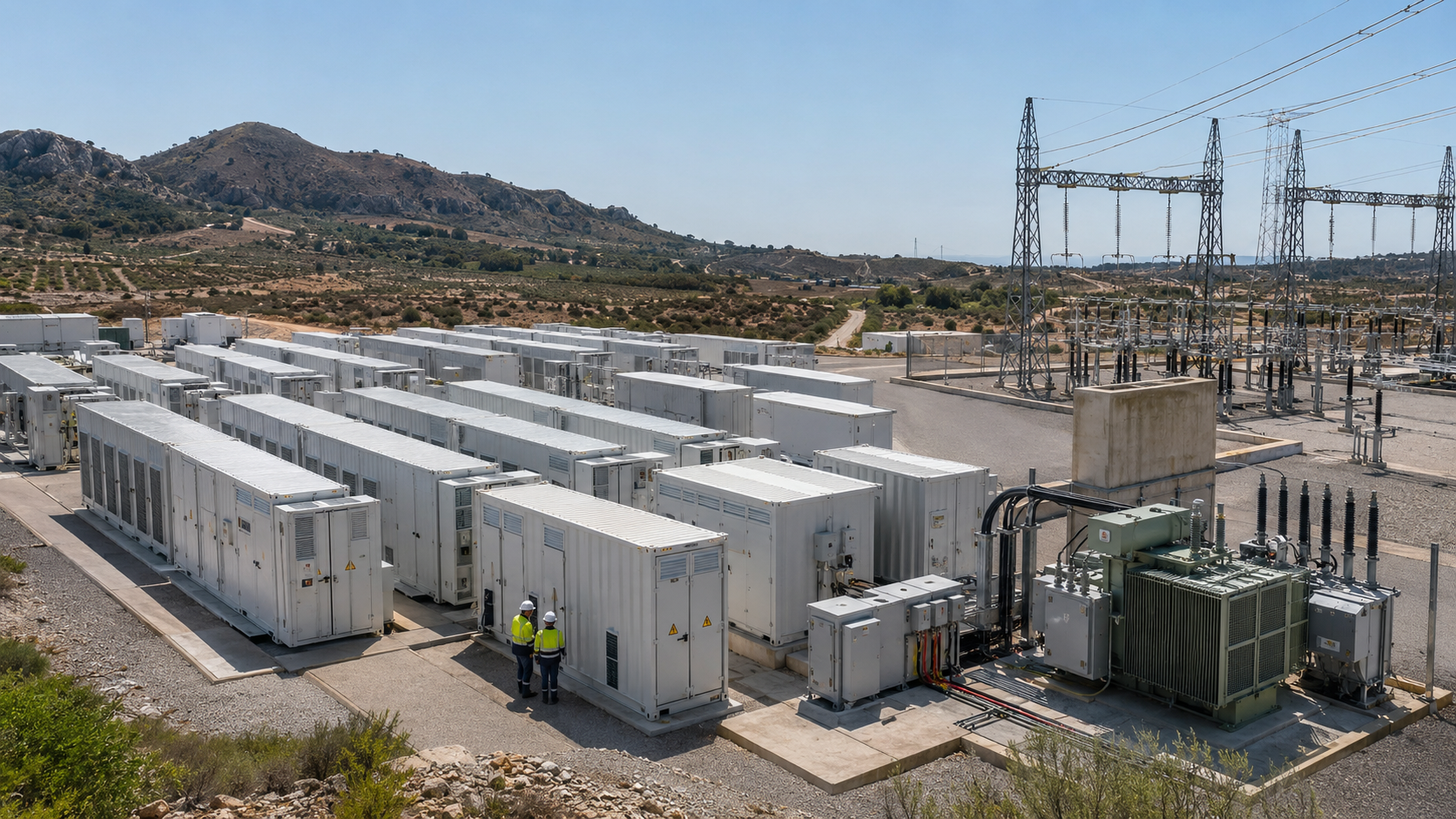
The companies have also identified battery storage as a potential area for closer coordination. Storage can absorb electricity during periods of available generation or lower prices and discharge it later, subject to its energy capacity and power rating. The value of that capability depends on the relationship between generation, consumption and the commercial arrangements for electricity supply.
UrbanChain and Shoreham Port have indicated that future collaboration could include managing the value of renewable generation and battery assets or participating in flexibility markets. Neither company has announced a specific new battery installation, a contracted flexibility capacity or the commencement of those services under the October supply agreement.
Brian Rousell, Director of Engineering and Environment at Shoreham Port, said the organisation’s decarbonisation plans include extensive electrification of its operations, particularly mobile machinery and road-going heavy goods vehicles. The new supply agreement is intended to support those changes as the port balances the environmental objectives of its investment programme with operating costs.
The companies have not disclosed the duration or financial value of the electricity supply contract, the volume of electricity covered or a timetable for any additional flexibility services. UrbanChain is already supplying electricity, while further electrical infrastructure and energy management arrangements will depend on separate investment and implementation decisions.