IN Brief:
- Twenty-two organisations representing approximately 40GWh of battery projects have established the Energy Storage Contract Alliance.
- Its voluntary supply agreement addresses equipment specifications, inspections, factory and site acceptance testing, warranties and cybersecurity.
- The core contract is publicly accessible, while more than 15 detailed technical appendices are reserved for registered members.
Battery storage developers and asset owners representing approximately 40GWh of projects have established the Energy Storage Contract Alliance (ESCA), publishing a common procurement agreement intended to strengthen technical and contractual requirements when purchasing utility-scale battery energy storage systems. The voluntary framework addresses equipment specifications, testing, manufacturing quality, warranty performance and the allocation of responsibilities between buyers and suppliers.
The alliance was launched on 13 October by 22 organisations including utilities, independent power producers, developers and asset owners. Its participants include Neoen, BW ESS, MN8 Energy, Goldbeck Solar and Pacifico Energy, with the collective 40GWh figure describing their battery project portfolios rather than capacity already procured through the new agreement.
The model Battery Energy Storage System Supply and Purchase Agreement provides a common contractual starting point for negotiations with equipment manufacturers and system integrators. Its core clauses are publicly available, while registered members can access more than 15 technical appendices covering equipment specifications, testing procedures, performance guarantees, monitoring and other requirements.
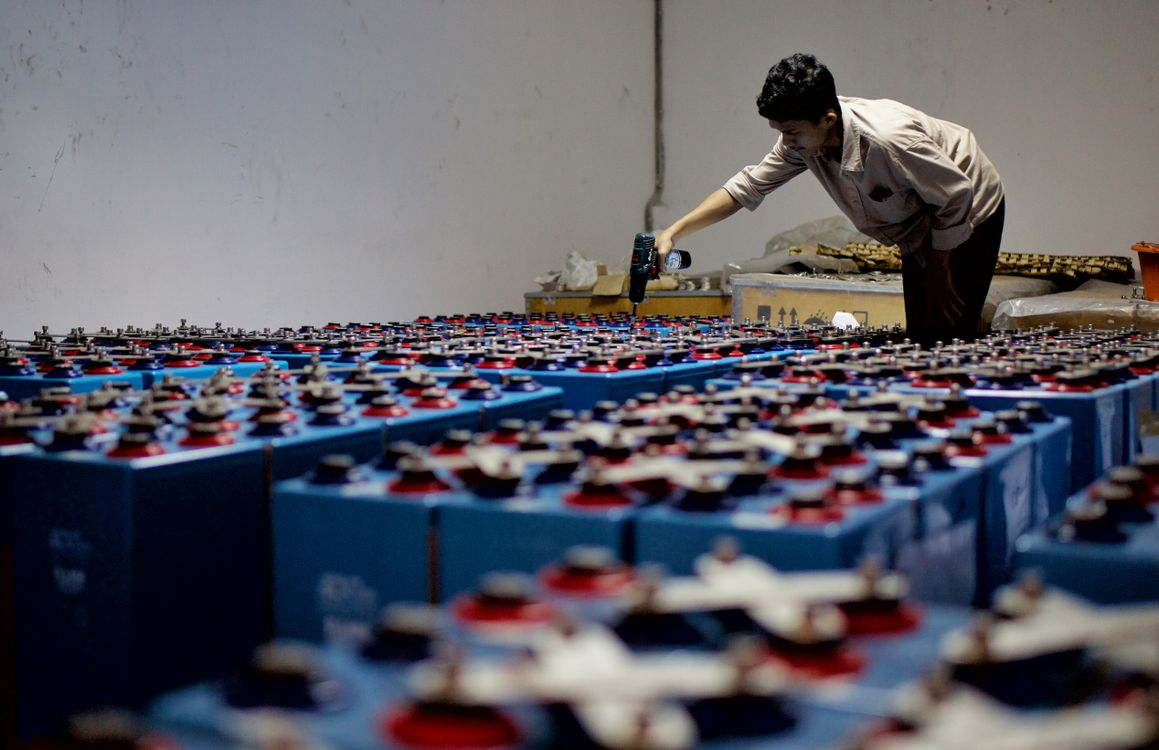
Utility-scale battery installations combine equipment with different operating characteristics and responsibilities. Battery cells are assembled into modules and racks, while power conversion systems manage the transfer of electricity between the storage equipment and the alternating-current network. Thermal management, fire protection and supervisory controls support the operation of the complete installation.
Those components may come from several manufacturers even when a single contractor supplies the completed system. Their integration creates procurement risks because failure to meet a performance requirement may result from the battery equipment, an inverter, an auxiliary system or the way the components operate together.
The agreement addresses that problem through provisions intended to define the supplied system and establish how its performance will be verified. A battery’s energy capacity, power rating, round-trip efficiency and availability measure different characteristics. Their contractual meaning depends on the test conditions and the electrical boundary at which performance is assessed.
For example, an availability guarantee applying only to battery modules does not establish the availability of the complete installation if its inverters or cooling equipment are unavailable. A system-level guarantee requires the contract to define which equipment is included, how downtime is measured and which operating conditions apply.
ESCA proposes requirements covering factory acceptance testing before equipment is shipped and site acceptance testing after installation. Factory testing can identify manufacturing and functional defects before containers and associated equipment incur transport and installation costs. Site testing establishes whether the assembled installation performs as required once its components have been integrated.
The two stages cannot be treated as interchangeable. Equipment may meet its factory specification but encounter problems when connected to site controls, transformers and other electrical systems. The model therefore links inspection and acceptance arrangements to the progression from manufacture through delivery and commissioning.
The agreement also proposes inspection of every supplied battery container rather than relying on sampling. That requirement is intended to reduce the possibility of defects remaining unidentified within a consignment, although the inspection procedures and acceptance criteria must still be adapted to the particular equipment and agreed between the contracting parties.
Traceability is another major component. The model calls for records identifying the origin of battery cells and associated components, allowing equipment to be linked to manufacturing batches. Such information can support investigation of a defect affecting multiple units and help establish whether other equipment sharing the same design or production history requires inspection or replacement.
The proposed serial-defect provisions address circumstances in which repeated failures suggest a common underlying problem. Rather than dealing only with equipment that has already failed, the agreement seeks to establish responsibilities for investigating and remedying defects affecting a wider population of supplied units.
Battery performance can also deteriorate during operation, making warranty measurement important over the equipment’s working life. ESCA includes provisions addressing usable energy capacity, efficiency and availability, together with contractual remedies where specified performance cannot be maintained. These terms would need to be agreed for each purchase, including the operating conditions and measurement procedures used to establish compliance.
Cybersecurity requirements feature alongside the physical equipment specifications. Battery installations rely on networked controllers, communications interfaces and embedded firmware, creating dependencies that continue after installation. The model addresses firmware verification, vulnerability reporting and access to operational data, with references to IEC 62443 and the European Union’s NIS2 framework.
Those references are proposed contractual requirements and do not mean that every provision of the cited standards or regulations automatically applies to every battery project. The legal obligations associated with a particular installation remain dependent on its location, operator and regulatory classification.
Payment and ownership provisions are intended to give buyers contractual protection while equipment is manufactured, delivered and tested. ESCA’s model links defined milestones to inspection and acceptance, including provisions governing when ownership transfers and how performance shortfalls or late delivery are addressed.
The alliance is administered by technical inspection business Sinovoltaics, which also supports the agreement’s development and revision process. Its role should be distinguished from the independent assessment a buyer may require under an individual purchase contract. Procurement teams adopting the model will still need to establish appropriate inspection arrangements and evaluate potential conflicts of interest.
The contract has been prepared from the buyer’s perspective, rather than as a negotiated agreement endorsed by equipment suppliers across the industry. Manufacturers are not automatically bound by its terms, and buyers remain free to adopt, amend or reject individual clauses during commercial negotiations.
ESCA intends members to participate in future revisions as battery technology and procurement requirements evolve. The agreement provides a shared reference for contracts that have often been negotiated separately, but its eventual influence will depend on voluntary adoption by project owners and acceptance of the resulting terms by suppliers.