IN Brief:
- Enery has begun operations at its Knizhovnik hybrid plant near Haskovo, combining 122MWp of solar generation with 200MWh of storage.
- A new physical PPA will supply Coca-Cola HBC Bulgaria using an agreed solar generation profile.
- Enery also has a separate 15-year financial PPA with Teva associated with the same renewable development.
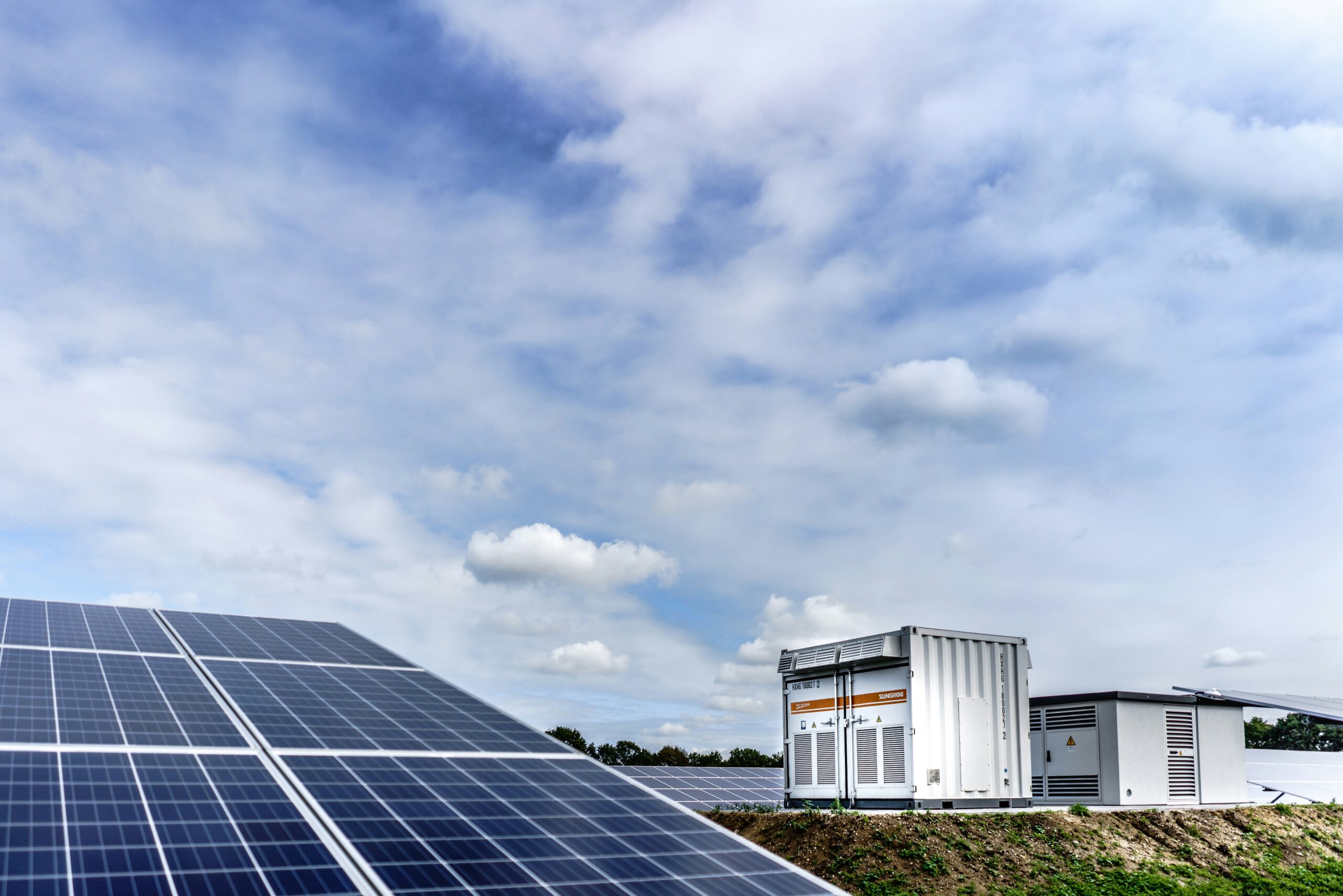
Enery has inaugurated the Knizhovnik hybrid renewable energy facility near Haskovo in southern Bulgaria, combining photovoltaic generation rated at 122MWp with battery storage capacity of 200MWh. The start of operations coincides with a physical power purchase agreement under which the company will supply renewable electricity to Coca-Cola HBC Bulgaria according to an agreed solar generation profile.
Located on land described as unsuitable for farming around Knizhovnik and Dolno Voyvodino in Haskovo municipality, the hybrid plant is expected to generate approximately 200GWh of solar electricity annually. Its storage installation combines capacities described as 70MWh and 130MWh, giving 200MWh of nominal stored energy. Supplier project information also associates the site with a combined battery power rating of 100MW, which describes a different aspect of the plant’s capability.
At that stated 100MW output, the 200MWh battery rating corresponds to two hours of nominal discharge before allowances for usable energy capacity and electrical conversion losses. The actual duration will depend on state of charge, control limits and the energy reserved for particular services. Whether the batteries discharge during one continuous period or several shorter intervals will also be shaped by the plant’s commercial commitments and connection arrangements.
Solar electricity enters the Knizhovnik electrical system as direct current, which power conversion equipment must turn into alternating current for export, while the battery uses its own power electronic interface to charge and discharge. Plant controls coordinate these operations within authorised import and export limits. Enery has disclosed the principal generation and storage ratings but has not confirmed individual converter models or the final detailed connection architecture.
Alongside the plant’s inauguration, Enery agreed to supply Coca-Cola HBC Bulgaria under a physical power purchase agreement based on a fixed solar generation profile. The agreement covers annual renewable electricity supply, but the duration and contracted volume have not been disclosed. Because photovoltaic generation varies with daylight, weather and equipment availability, that profile cannot be equated with an uninterrupted quantity of power available in every hour.
Meeting an agreed delivery profile requires forecasts of solar production and coordination of electricity scheduling and market transactions, with the battery able to move some generated energy into later periods. Its precise trading and dispatch role has not been published. Energy committed to one delivery or system service cannot simultaneously be allocated elsewhere without accounting for the same limited state of charge and the constraints governing operation.
Knizhovnik already supports a separate agreement with pharmaceutical manufacturer Teva, announced in September 2025 and structured as a financial PPA covering an expected 60GWh in its first year. That arrangement settles electricity price exposure differently from the new physical supply contract with Coca-Cola HBC Bulgaria. Although both are associated with the same solar plant, their stated quantities and obligations cannot be combined into an invented aggregate supply commitment.
Under the Teva arrangement, financial settlement follows the agreed relationship between contract and reference prices, while electricity is supplied through the relevant market and retail arrangements. The Coca-Cola agreement instead specifies a physical supply mechanism. Neither contract establishes that a dedicated electrical line runs directly from Knizhovnik to the customer’s premises, or that the customer receives the plant’s generation in every trading period.
Operating photovoltaic generation and battery storage together means coordinating equipment with different loading, temperature and protection characteristics, particularly as the plant alternates between charging and exporting electricity. The battery management systems, converters, plant controllers and switching arrangements must operate within compatible limits. Enery has confirmed the hybrid plant’s ratings, though detailed protection settings and the individual equipment configuration have not been published.
Each conversion between electrical forms and each storage cycle consumes some energy, so electricity discharged from the batteries will be lower than the electricity originally used for charging after losses are accounted for. Storage can change when solar power reaches the market, but it cannot increase the photovoltaic array’s original generation. Measured output must accordingly distinguish energy produced by the solar plant from energy moved through the battery and delivered through contractual supply routes.
Enery describes Knizhovnik as its second hybrid plant in Bulgaria, adding operating renewable and storage capacity to a portfolio that includes other projects in the country and neighbouring markets. Its agreements with Teva and Coca-Cola HBC Bulgaria establish different commercial uses for the electricity associated with this installation. Other projects still in development or construction should remain separate from the capacity now described as operating at Knizhovnik.
As the facility operates through a full year of changing solar conditions, metered generation will establish how closely output matches the forecast of approximately 200GWh. Battery dispatch and deliveries under the corporate agreements will require their own accounting, particularly because the volume and duration of the Coca-Cola contract remain undisclosed. The inauguration establishes the operating project and its new customer arrangement, while verified performance will follow from recorded electricity flows.