IN Brief:
- Nala Renewables has issued a notice to proceed for the 125MW/250MWh Vuolijoki battery project in Finland.
- Sungrow will supply storage equipment, Destia will deliver balance of plant works, and Despro will provide engineering and construction management.
- Vuolijoki brings Nala’s Finnish development and operating portfolio to 275MW/550MWh, including projects at different stages.
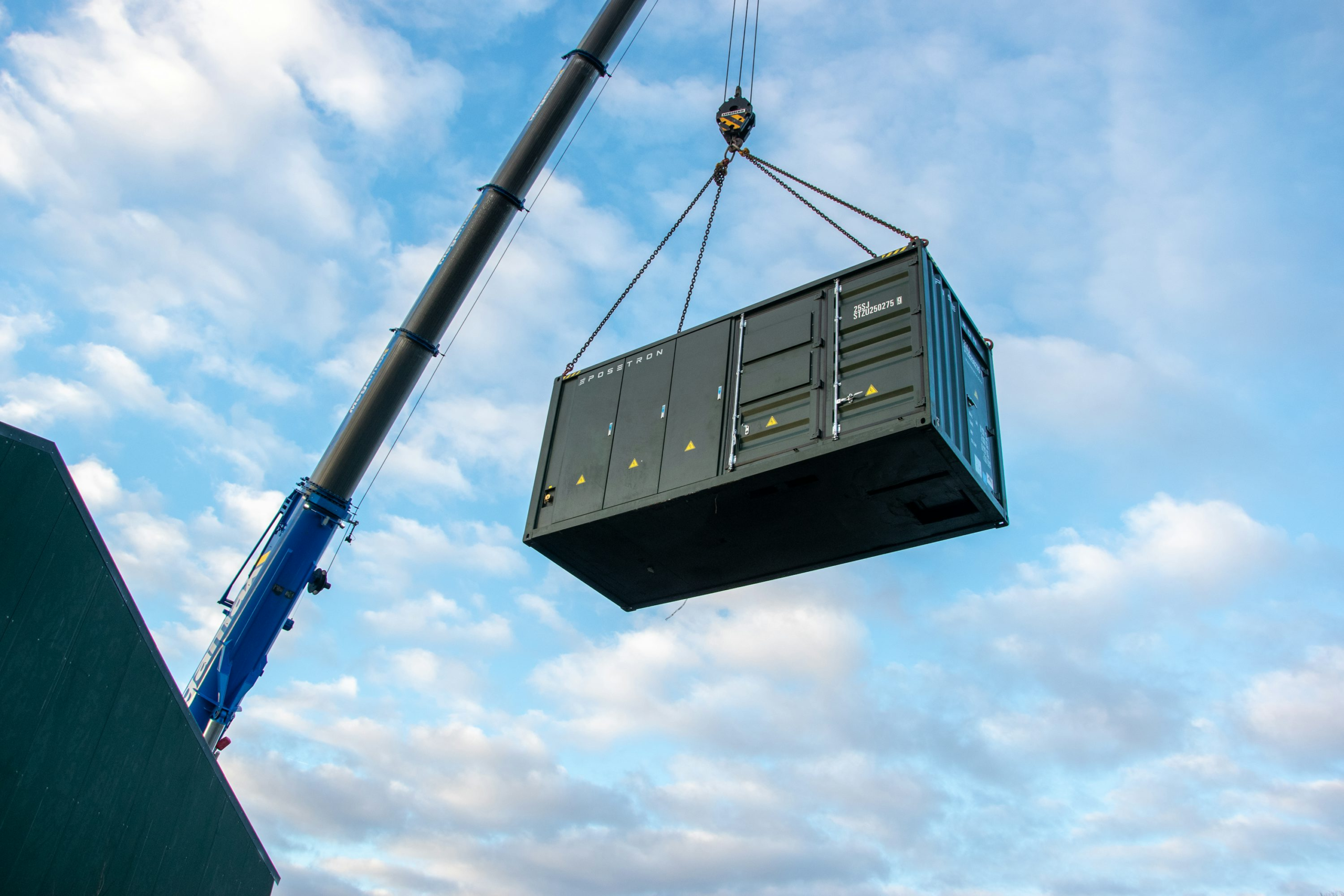
Nala Renewables has issued a notice to proceed for construction of its 125MW/250MWh Vuolijoki battery energy storage project in Finland. The decision moves the development from its preparation phase into construction, with Sungrow supplying the storage technology, Destia Oy responsible for balance of plant work, and Despro providing engineering, procurement and construction management services. Rabobank is supplying long term project finance.
Vuolijoki’s stated capacity combines 125MW of power with 250MWh of energy storage, corresponding to a nominal two hours of discharge at rated output. Usable energy, conversion losses, and the battery’s permitted operating range will determine how closely actual dispatch approaches that calculation. The way the available energy is allocated between electricity market activities and any system services will also depend on commercial arrangements that have yet to be established for the project.
Vuolijoki joins Nala’s existing Finnish battery investments, but the three projects are at different stages. Kauhava, rated at 50MW/100MWh, was recently energised, whereas the company has acquired a 100MW/200MWh project at Kärppiö. Taken together with Vuolijoki, they amount to a Finnish portfolio of 275MW/550MWh. That aggregate is a statement of development and operating capacity, not evidence that the whole portfolio is currently able to export electricity.
To turn the battery equipment into an energised electrical plant, the contractors must coordinate foundations, cable routes, earthing, auxiliary supplies, and protection with the local network connection. Destia is responsible for balance of plant construction, while Despro manages the engineering and delivery interfaces. Transformer sizes, switchgear ratings, and the eventual circuit arrangement will be established through the approved design rather than inferred from the 125MW project rating.
Sungrow’s storage technology will provide the equipment used to accumulate and release electrical energy, with power electronics managing the interface between the battery system’s direct current circuits and the alternating current network. Charging involves importing electricity through the conversion equipment, while discharge reverses the power flow. The control system must prevent requested output from exceeding the operating limits of the battery, power conversion equipment or grid connection, including when several storage units are operating together.
Electrical protection and plant communications must be integrated with those controls before the site can be energised. Fault detection equipment has to isolate abnormal conditions in the appropriate part of the installation, and switching operations must follow the agreed arrangement with the network operator. Testing individual assemblies before delivery provides only part of that assurance, since cables, transformers, controls, and storage equipment must also be examined after they have been connected on site.
Once connected, storage assets in Finland can seek to provide services in markets operated by Fingrid, subject to qualification for the particular products involved. A battery responds by varying power through its conversion equipment, while the amount of stored energy limits how long a discharge can be sustained. Nala has not established a specific reserve product or contracted revenue stream for Vuolijoki, so its physical capability must be distinguished from services it might eventually be qualified to supply.
Because reserve commitments tie up stored energy, charging and discharge schedules must be coordinated across the services Vuolijoki may eventually provide. Electricity held in reserve for a possible system response is unavailable for simultaneous sale through a separate period of sustained export, and charging time must be allowed before another discharge. The eventual dispatch strategy will have to reconcile those commitments with the battery’s state of charge, thermal limits, and availability; its precise commercial configuration remains to be determined.
Rabobank’s long term financing will support construction expenditure before Vuolijoki can earn income from electricity markets. Nala remains the developer and owner, with its technology and engineering contractors responsible for separate delivery elements. The bank has identified its existing relationship with Nala and shareholder IFM Investors as part of the transaction. Revenue from an operating battery will follow only after electrical installation, network testing, and the necessary commercial arrangements have been completed.
As equipment from several contractors is brought together, the site commissioning programme must verify more than the performance of individual battery units. Foundations and access arrangements need to accommodate the hardware, cable and protection systems must conform to the agreed connection, and plant controls must communicate correctly across suppliers’ equipment. Testing the finished installation is necessary to establish that these interfaces work together safely under charging, discharging, and abnormal operating conditions.
Kauhava’s recent energisation does not establish an operating date for Vuolijoki, whose construction completion and commissioning timetable have not been confirmed. Although both facilities contribute to Nala’s Finnish portfolio totals, the 125MW Vuolijoki project will need its own network energisation and commercial qualification before that capacity becomes available for dispatch.
Construction can now proceed under the notice to proceed, with the electrical connection and integrated controls remaining essential milestones before the battery enters service. Vuolijoki’s 250MWh nameplate energy capacity provides a basis for engineering the storage system, but its usable operating range and ability to participate in Finnish markets will be determined by the installed equipment, tests, and eventual commercial commitments.