IN Brief:
- VSB has begun construction of its 18MW Liethe-Lehmden wind repowering project in Lower Saxony.
- Three Vestas V150 turbines will replace four NEG Micon NM52 machines with a combined existing capacity of 3.6MW.
- Foundation preparation faces waterlogged and peat-bearing ground, with commissioning planned for late summer 2027.
VSB has begun construction of the Liethe-Lehmden wind repowering project at Rastede in Lower Saxony, where three new turbines will replace four ageing machines. The replacement plant will have an installed capacity of 18MW, compared with 3.6MW at the existing site. VSB expects annual generation to increase more than tenfold, although the final electricity produced will depend on wind conditions, operating availability, and the performance of the completed installation.
Site preparation has begun with access roads and crane hardstands after the completion of preliminary archaeological investigations. At one turbine position, waterlogged ground containing peat requires additional measures to keep the working area dry and provide adequate load bearing capacity. That work must be completed before foundation construction and the heavy lifts needed to install the new machines, although VSB has not identified the ground improvement technique selected for the location.
The waterlogged, peat-bearing conditions require the engineers to consider how the concentrated loads imposed by installation cranes will be transferred through the working platform to the ground beneath. Hardstands must accommodate concentrated forces during the particular lifting sequence, with their design based on site investigations rather than a standard arrangement suitable for firmer soils. Settlement or loss of stability would interrupt foundation and turbine installation, so the ground preparation programme has to account for both the permanent foundations and the temporary construction equipment.
Preparation of the turbine foundations is scheduled to be completed by the end of 2026. The four existing NEG Micon NM52 turbines, each rated at 0.9MW, are due to be dismantled from February 2027, allowing the repowering scheme to progress from initial civil works towards removal of the existing generating equipment. Coordinating those operations will be important where contractors need safe access for foundation construction, the dismantling of old structures, and subsequent delivery of much larger replacement components.
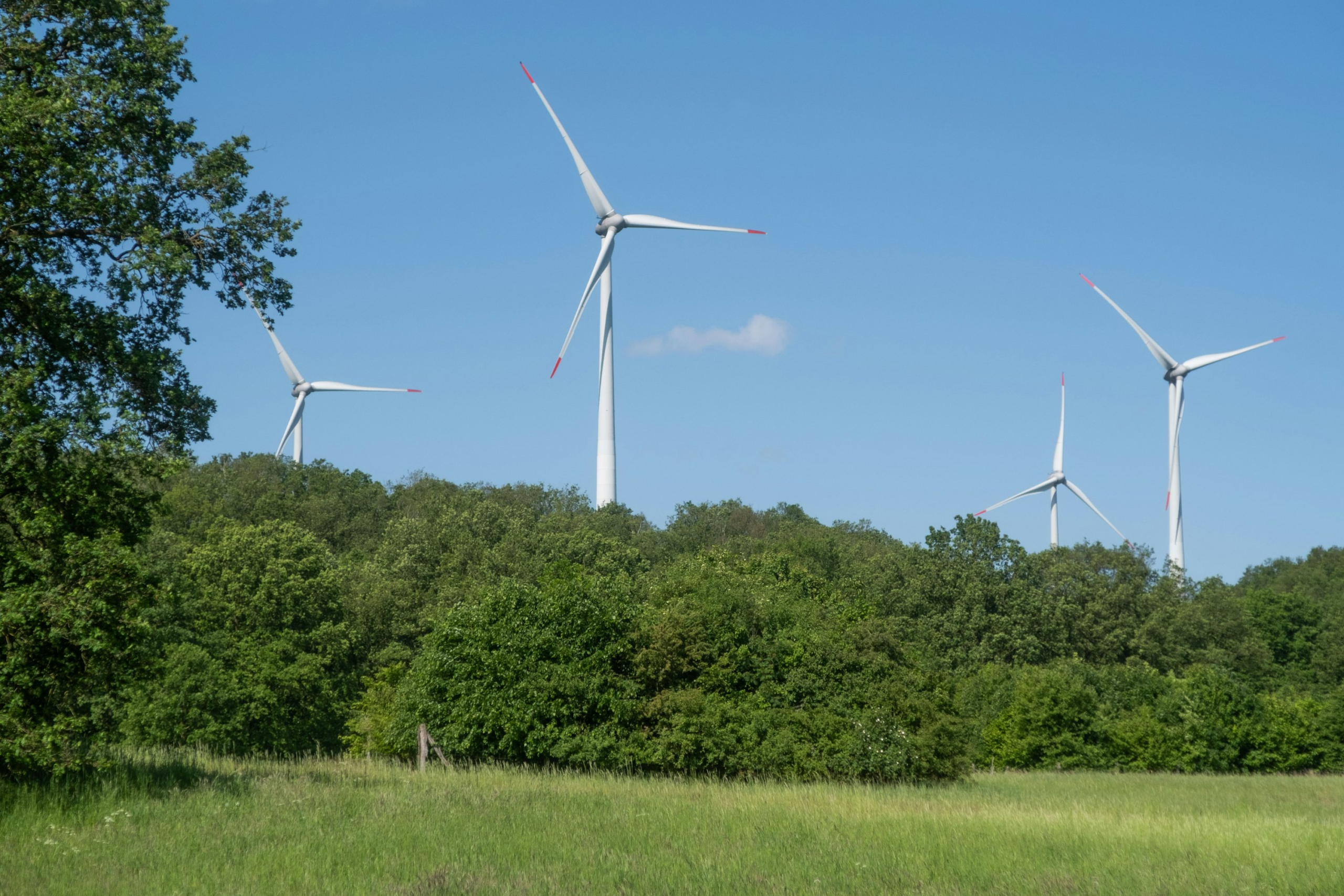
Three Vestas V150 turbines will replace the four 0.9MW NEG Micon machines, lifting installed capacity to 18MW. The new rotors have a diameter of approximately 150 metres, compared with the 52 metres represented by the NM52 designation. Their much greater swept area allows more energy to be intercepted from a given wind resource, while modern generation and control equipment contribute to output across a wider range of conditions than those of the ageing turbines.
The fivefold increase from 3.6MW to 18MW is smaller than VSB’s projected increase in annual electricity generation, which exceeds tenfold. That forecast depends on the energy captured across the full distribution of wind speeds and on the availability of the installed machines, rather than on rated output alone. The corresponding megawatt hours will only become measurable after the repowered site has generated electricity through a representative operating period.
Components for the new turbines are expected to arrive from June 2027, with a self-propelled blade transporter planned for delivery of the rotor blades. Moving large components into an established site can require changes to normal transport arrangements, particularly where road geometry, turning space, and nearby obstacles restrict the movement of long loads. The access roads and crane working areas being prepared during the present phase must therefore support the future transport and lifting sequence as well as construction of the foundations.
Replacing four smaller turbines with three 6MW machines will change the electrical duties placed on the site’s collection circuits and its connection to the network. Cable capacity, switching equipment, transformers, protection settings, and voltage control must match the new generating plant and its authorised export requirements. VSB has not specified the final circuit design or protection scheme for Liethe-Lehmden, so a particular transformer or connection configuration cannot yet be attributed to the project.
Before the replacement turbines can export commercially, the electrical infrastructure and plant controls must be installed and tested as a connected system. Commissioning will check the operation of generating equipment alongside protection devices and the network interface, supplementing factory checks performed on individual components. The targeted late summer 2027 start of generation remains dependent on those tests as well as completion of the civil works and turbine installation.
VSB estimates that the completed installation could produce electricity equivalent to the annual requirements of around 11,300 three-person households. This comparison depends on projected generation and assumed household consumption, so it does not establish how much electricity will be exported in a particular year. Wind conditions, equipment availability, and any limits imposed by the network connection will determine the measured output after commissioning.
Liethe-Lehmden is VSB’s first wind farm in Lower Saxony and is being managed by its regional office in Osnabrück. The company also has an approved 14MW wind project at Oldenbrok Süd, about 20 kilometres away, although that is a separate development with its own construction programme. At Rastede, the existing equipment must be dismantled while new foundations and electrical infrastructure are prepared for turbines with substantially higher individual generating capacity.
Work on the difficult ground and turbine foundations will continue ahead of dismantling the existing machines from February 2027 and delivering replacement components from June. These operations must also prepare the access and electrical infrastructure for turbines with substantially higher generating capacity. VSB targets commissioning in late summer, when testing of the completed installation will determine whether the site can return to commercial generation within its approved network limits.