IN Brief:
- CIP managed funds are providing MaxSolar with €155m of HoldCo debt financing.
- The underlying portfolio comprises 912MW of solar and 379MW of standalone and combined battery storage.
- Around 465MW of the portfolio is already operational, with new capital available for construction investment and selected acquisitions.
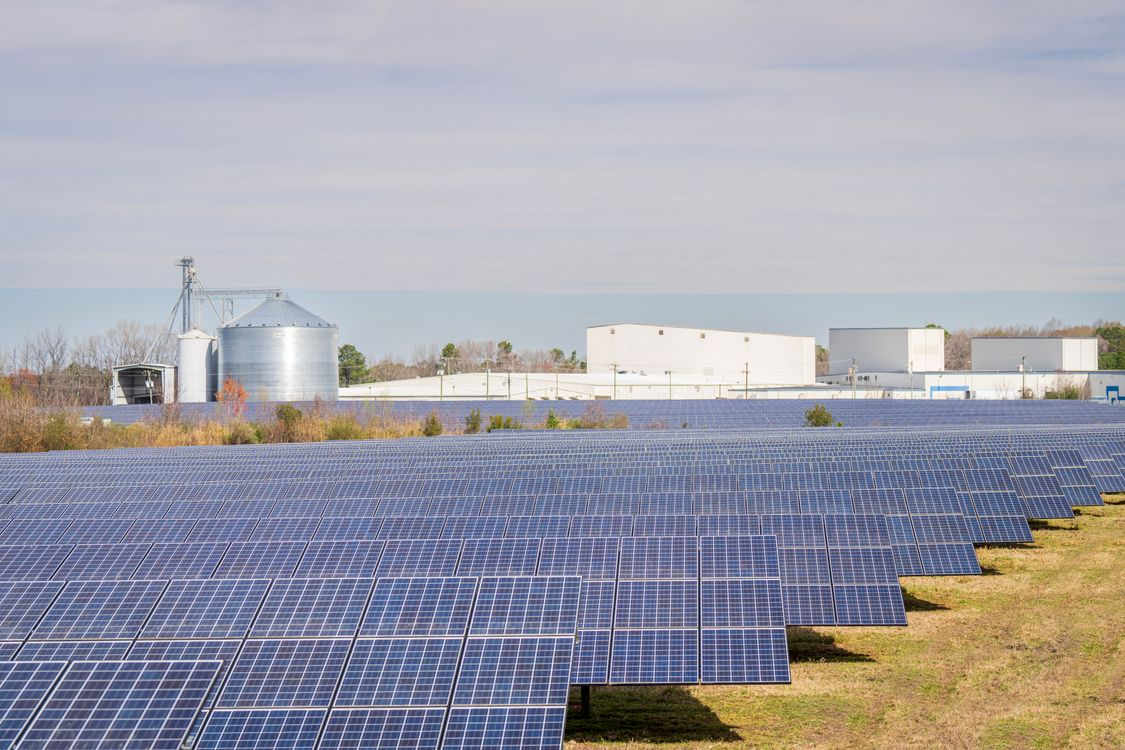
MaxSolar has secured €155m of holding company debt financing from funds managed by Copenhagen Infrastructure Partners, refinancing existing borrowing while providing capital for approximately 1.3GW of German solar and battery projects. The portfolio comprises 912MW of photovoltaic capacity and 379MW of standalone and combined battery storage.
About 465MW of the assets are already operating, including 440MW of photovoltaic capacity and 25MW of storage installed alongside generation. A substantial part of the financed portfolio therefore remains in development, construction or connection.
The facility replaces a HoldCo financing completed in 2023 as MaxSolar expanded from project development and EPC work into long term ownership of renewable assets. Financing at holding company level provides committed capital above individual project companies and can be deployed across several investments.
Conventional non recourse project finance is normally secured primarily against the cash flows and assets of a defined project. HoldCo debt sits higher in the corporate structure, giving a developer more flexibility to allocate capital between projects as procurement, construction and acquisition requirements change.
MaxSolar says the €155m package will refinance existing obligations and provide capital during construction. It can also support selected acquisitions from the company’s development platform, allowing projects to move into its retained operating portfolio rather than necessarily being sold after development.
Solar and battery projects draw capital at different points in their delivery programmes. Civil works, modules, inverters, transformers, batteries, switchgear and connection payments may be required long before an asset begins producing revenue, creating financing requirements that do not align neatly across a mixed portfolio.
The technology mix also produces different operating risks. Photovoltaic output follows irradiation and network availability, while battery revenue can depend on energy trading, balancing and ancillary services. Combining the two at one site can create infrastructure efficiencies, but it also requires controls capable of coordinating generation, charging and discharge within the same network limits.
Where solar or wind and storage share a grid connection, the battery can potentially use transformers, switchgear and land already associated with the generating asset. The combined plant still has to remain within its permitted import and export limits, so control logic has to prevent simultaneous operation from overloading shared equipment.
MaxSolar has already applied this model elsewhere in Germany. A July project with Saft at Quitzow II combines a 30MW battery with 76.5MWh of storage and an existing wind farm substation, demonstrating how storage can be integrated around renewable generation and established electrical infrastructure.
The current financed portfolio is larger in solar than storage on a power basis, with 912MW of photovoltaic capacity against 379MW of batteries. Total battery energy capacity has not been disclosed, so those megawatt figures indicate power capability rather than how long the complete storage fleet could discharge.
Copenhagen Infrastructure Partners is providing the facility through funds associated with its Green Credit strategy, giving the investor exposure through lending rather than through the same ownership structure used by its infrastructure equity funds.
MaxSolar’s shift towards long term ownership also makes construction delays more directly relevant to its own balance sheet. Projects held through commissioning consume capital before producing operating cash flow, while grid connection delays can leave mechanically complete assets unable to generate revenue.
Grid access remains a major constraint in Germany as renewable and storage pipelines expand. Transformers, protection equipment and network reinforcement must be ready before either a solar plant or battery can use its intended capacity, irrespective of how quickly the equipment on the project site itself is installed.
The financing therefore provides flexibility across a portfolio without removing project specific delivery risk. With 465MW already operating, MaxSolar has moved well beyond an early development platform; the remaining task is converting the balance of the 1.3GW portfolio into connected assets whose construction schedules and grid capacity support the assumptions behind the new debt facility.