IN Brief:
- Climate Investment Funds has endorsed a $116.2m Ukrainian Renewable Energy Integration investment plan.
- The programme is intended to support cross border interconnection, renewable generation and energy storage.
- Interconnection and flexible assets are being developed alongside restoration work as Ukraine strengthens its synchronised link with continental Europe.
Climate Investment Funds has endorsed a $116.2m investment plan for Ukraine covering cross border electricity interconnection, renewable generation and energy storage. The programme moves the country’s Renewable Energy Integration work towards a financing framework for physical assets intended to increase flexibility and resilience.
CIF’s Renewable Energy Integration programme was established to help power systems absorb larger shares of variable renewable generation without allowing network constraints or insufficient flexibility to undermine reliability. Ukraine was selected for support before the full scale Russian invasion, but the operating conditions of its electricity system have since changed substantially.
Damage to generation, substations and network infrastructure has increased the value of assets able to restore power quickly, move electricity across borders and respond when domestic production is lost. Renewable generation can reduce dependence on large centralised thermal assets, but variable output also increases the need for storage, network flexibility and access to neighbouring systems.
The $116.2m plan covers all three areas. Public information does not yet identify the route, capacity or counterparties for the proposed interconnection work, nor does it state the megawatts or megawatt hours of renewable generation and storage that will ultimately receive support. Those details will have to emerge as individual investments progress.
Synchronization with the Continental Europe system has already made interconnection central to Ukrainian power operation. Imports can support supply during domestic shortages, while exports are possible when generation and network conditions permit.
Imported electricity still has to travel through Ukraine’s own transmission and distribution networks, so stronger cross border capacity cannot substitute for damaged internal infrastructure. It does, however, provide an additional source of power when domestic generating capacity is constrained and another outlet when surplus production is available.
Storage addresses a different operating requirement. Batteries can respond rapidly to changes in generation or demand, charging when excess electricity is available and discharging when the system needs additional power. Their response can support reserve provision and renewable integration, but the duration is limited by the energy stored at that moment.
Ukraine has already been expanding storage deployment as authorities seek more flexible capacity alongside reconstruction of damaged generating assets. Previous international financing programmes have also examined battery capacity as part of the country’s grid modernisation work.
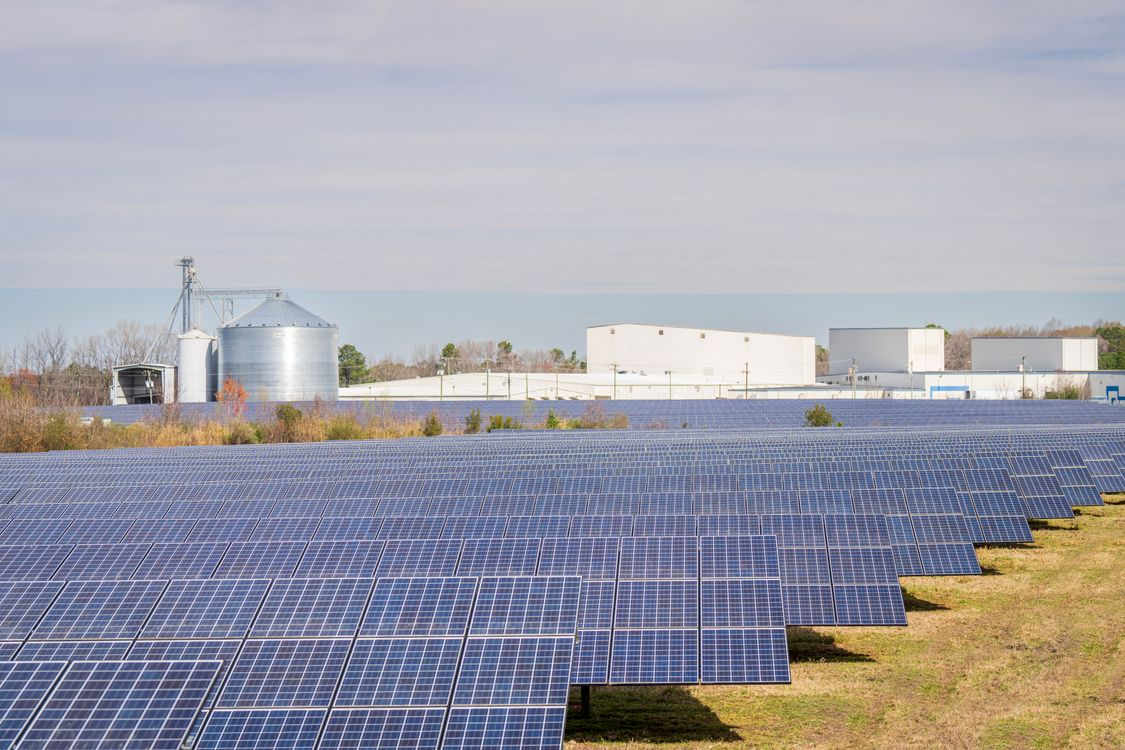
Renewable generation spread across several locations can reduce dependence on a small number of central assets, although distribution circuits, substations and protection systems still have to accept the resulting power flows. New generation consequently produces greater system value when network reinforcement and flexibility develop alongside it.
The CIF plan is separate from the European Union’s recent recognition of cross border renewable projects involving Ukraine and neighbouring countries. One of those schemes, the proposed 650MW Poltavska wind development, received status under the EU CB RES framework and includes future cross border electricity trade. The new CIF programme is a different financing mechanism.
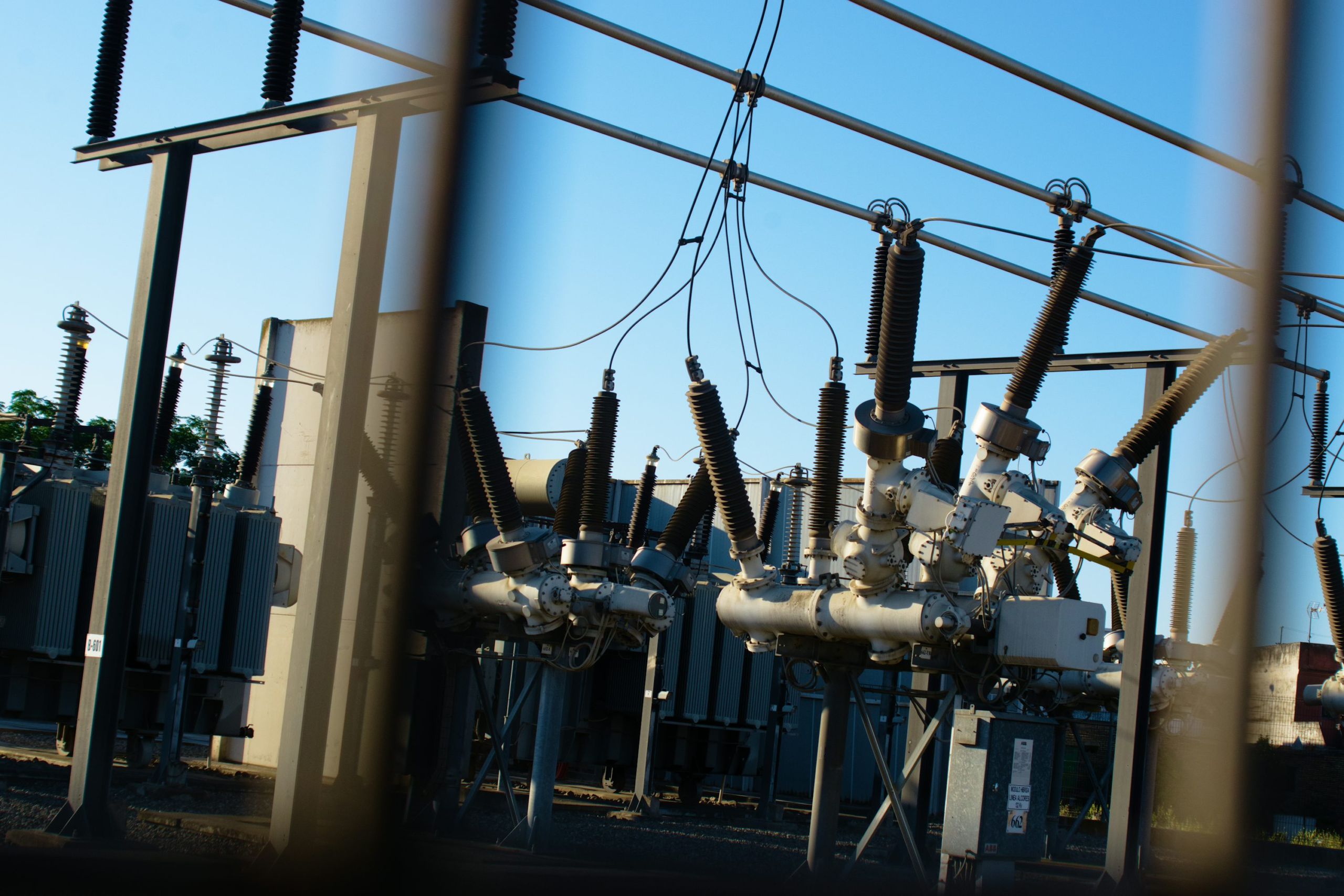
Interconnector delivery will require network studies, permits, substations, protection, control equipment and high voltage infrastructure, while batteries need secure sites, power conversion systems, grid connections and market arrangements through which their flexibility can be dispatched. Renewable projects carry their own permitting, procurement and construction requirements.
Wartime conditions make those delivery risks more severe because completed assets can be damaged and construction programmes interrupted. Investment planning therefore has to support long term modernisation while the same network continues to undergo emergency restoration.
The $116.2m approval does not yet define a completed infrastructure package. Its engineering significance will become clearer when the programme identifies where additional cross border capacity will connect, how much renewable generation and storage will be supported and which assets can progress into construction while the existing system remains under sustained operating pressure.