IN Brief:
- Cape Station’s first GeoBlock has reached commercial operation with 33 MW of net generation.
- Two further 33 MW Phase I units are due to reach contractual operation by 1 January 2027.
- Phase II adds eight 50 MW GeoBlocks and is under construction for planned operation in 2028.
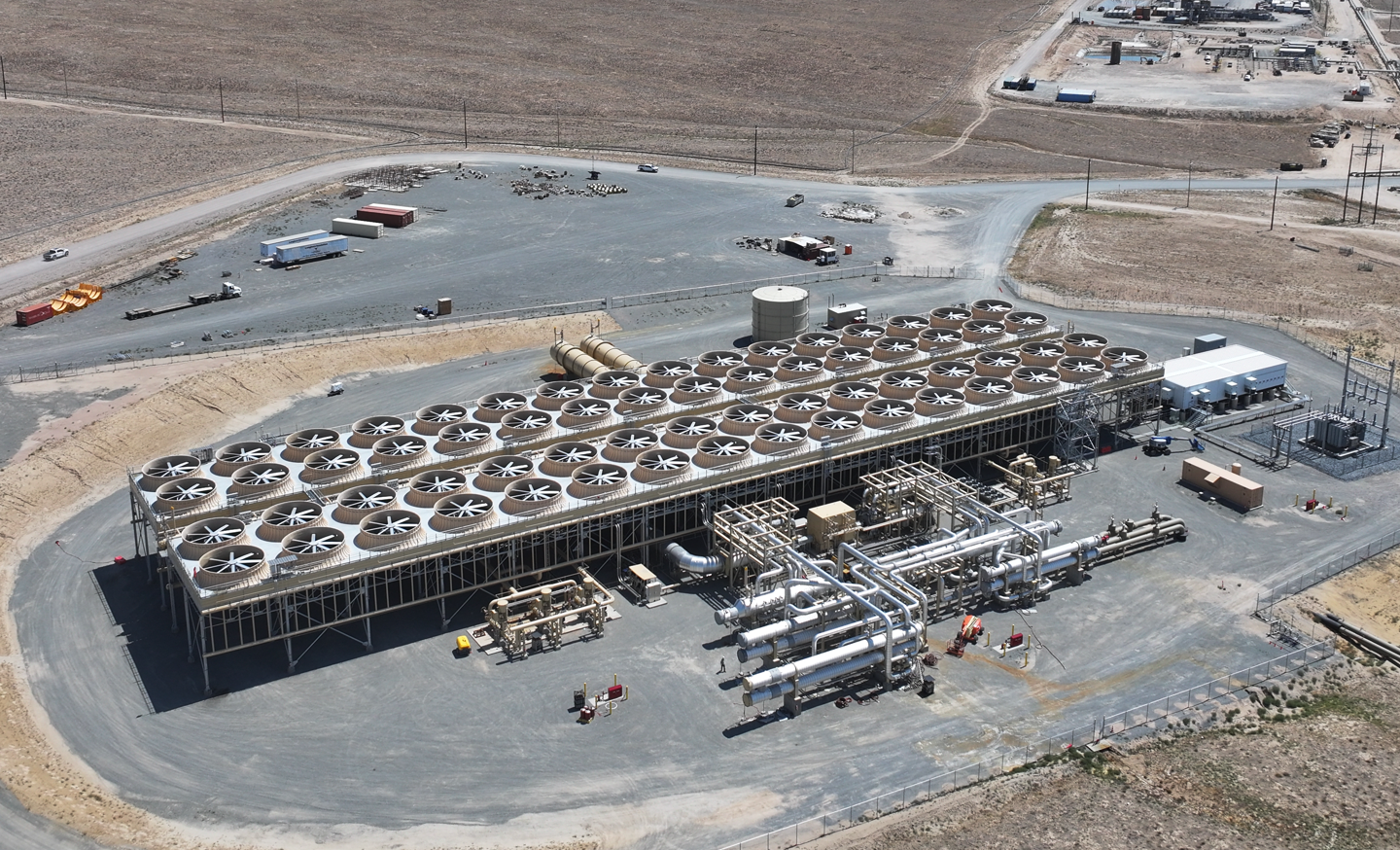
Fervo Energy has brought the first GeoBlock at Cape Station in Utah into commercial operation with 33 MW of net generation, moving the enhanced geothermal development from commissioning into contracted electricity sales. The plant synchronised with the grid on 24 September and declared commercial operation six days later on 30 September, one day ahead of its contractual deadline, allowing revenue to begin under the project’s power purchase agreement.
The operating unit forms the first third of Cape Station Phase I, which comprises approximately 100 MW across three 33 MW GeoBlocks, while commissioning continues on the remaining two plants ahead of contractual commercial operation by 1 January 2027. Fervo built and commissioned the first power facility in 23 months and is targeting an 18-month construction period for later GeoBlocks as engineering, procurement, drilling, and commissioning become more repeatable across the programme.
That repeatability is central to the development model because Cape Station is being assembled as a series of standardised generating blocks rather than one monolithic geothermal power station. Phase II, already under construction, adds a further 400 MW through eight 50 MW GeoBlocks scheduled for 2028, bringing the two current phases to about 500 MW. Scaling through repeat units gives Fervo an opportunity to carry lessons from drilling and surface-plant construction directly into subsequent blocks without redesigning the full project each time.
The subsurface design has already changed between those phases, with Phase I using wells built around approximately 5,000-foot horizontal laterals and Phase II moving to a 7,500-foot design with larger casing and access to hotter rock. Fervo’s Sawtooth 7 well, drilled for Phase II, reached a measured depth of 19,448 feet with a 7,500-foot lateral in a 460°F resource in 21 days, matching the drilling duration achieved on the smaller Phase I design despite the increase in depth and complexity. Longer laterals and larger-diameter wells are intended to increase the amount of heat and fluid available to each generating block, reducing the number of wells required for a given electrical output.
Enhanced geothermal systems depend on that drilling performance because they seek to make useful geothermal resources accessible where naturally permeable conventional reservoirs are unavailable. Fervo uses horizontal drilling methods adapted from the oil and gas sector, allowing several wells to be developed from a common pad and engineered around a subsurface heat resource rather than depending entirely on naturally occurring fluid pathways. Once the well system is completed, heated fluid has to be brought through surface heat exchangers and coupled with the generating plant, leaving commercial performance dependent on both the reservoir and the conventional electrical and mechanical equipment above ground.
The first GeoBlock reaching 33 MW net output is therefore a more substantial test than first power alone, because contractual commercial operation requires the generating unit to cross from commissioning activity into revenue-producing service at the expected production threshold. Fervo had already connected geothermal brine to the power plant and begun turbine commissioning earlier in the programme; the September milestone establishes an operating reference against which the remaining Phase I units can now be measured.
Surface equipment has been procured with the larger build-out in mind, including strategic supply arrangements covering Organic Rankine Cycle generation equipment, electrical systems, and well construction. Fervo has agreements with Turboden, ABB, and Vallourec intended to support larger-scale deployment while reducing exposure to long lead times for turbines, motor control and electrification equipment, and specialist tubular products. The company secured $421.4 million of non-recourse project financing for the first phase earlier in 2026, placing additional scrutiny on whether construction, commissioning, and contracted output develop as planned.
Phase II will provide the more demanding measure of whether Cape Station can move from a successful first unit into repeat industrial deployment, because its eight 50 MW GeoBlocks use the larger third-generation well design while being built on a substantially broader construction programme. Fervo has said all long-lead equipment for the phase has been secured and generating-plant construction has begun alongside drilling, with three rigs deployed during the programme and the 2028 commercial-operation target unchanged.
Firm geothermal output also gives Cape Station a different electrical role from variable wind and solar generation, because production is not tied to daylight or short-term weather conditions once the reservoir and plant are operating. That does not make the output unconditional — well performance, pumps, heat exchangers, turbines, electrical equipment, and planned maintenance all affect availability — but a successful enhanced geothermal plant can provide continuous generation without requiring the same short-duration balancing arrangements used to move intermittent renewable output between periods.
Cape Station still has considerably more construction and commissioning ahead, with two Phase I GeoBlocks yet to enter commercial service and the eight larger Phase II units moving towards 2028. The first 33 MW block nevertheless gives the programme an operating benchmark after years of drilling and development, while the next eleven units will show whether the engineering and construction learning claimed across the project can be repeated as enhanced geothermal moves from a single commercial plant into a 500 MW generating complex.