IN Brief:
- The first British Industrial Competitiveness Scheme application window closes at 23:59 on 30 November 2026.
- Eligible manufacturing sites can receive relief from Renewables Obligation, Feed-in Tariff, and Capacity Market costs.
- RO and FiT exemptions begin in April 2027, with Capacity Market relief following in October 2027.
The UK Government has opened the first application window for the British Industrial Competitiveness Scheme, allowing eligible manufacturers in England, Scotland, and Wales to seek relief from selected electricity policy costs from 2027. Applications opened on 1 October and close at 23:59 on 30 November, with the government estimating that more than 10,000 businesses could fall within the scheme’s potential eligibility base. Successful applicants will begin receiving exemptions from the Renewables Obligation and Feed-in Tariffs in April 2027, followed by Capacity Market relief in October.
BICS reduces non-commodity electricity costs rather than the underlying wholesale price, removing specific policy charges from qualifying grid consumption while leaving energy, network, supplier, and other bill components intact. Government estimates put the saving at up to 25% of an eligible company’s electricity bill, although the actual reduction will vary according to tariff structure and the proportion of site consumption covered. Guidance published for applicants indicates a value of roughly £35/MWh to £40/MWh where the full package of support applies.
Eligibility is assessed at manufacturing-site level, combining sector and product classifications with electricity use rather than treating an entire corporate group as automatically qualifying. Businesses must operate in an eligible Standard Industrial Classification sector, manufacture products covered by the relevant Harmonised System codes, and meet a minimum electricity-consumption requirement. The scheme applies only to electricity imported through the grid, so onsite solar, wind, combined heat and power, or other self-generation does not form part of the consumption receiving the exemption.
A minimum annual grid-electricity threshold of 33 MWh removes very small sites from the scheme, while the level of relief also depends on how much imported power is associated with qualifying manufacturing. Applicants must supply evidence covering the most recent six consecutive months available within the previous 12 months, giving the department a basis for checking both consumption and the relationship between electricity use and eligible production. Incomplete or inconsistent submissions can be rejected, and the guidance warns that there is no general opportunity to amend an application after submission.
The policy arrives while the electrical intensity of manufacturing is changing across sectors that would not traditionally have been grouped with heavy energy users. Automated production lines, compressed air, refrigeration, cleanrooms, pumps, drives, machine tools, testing systems, data infrastructure, and electric process heat can create significant baseload demand, while electrification can increase grid consumption further as companies replace gas-fired equipment. Lowering selected policy costs therefore affects a broader section of manufacturing than furnaces, smelters, or other conventionally energy-intensive operations alone.
The scheme sits beside the British Industry Supercharger, which provides a wider package of support to a narrower group of highly electricity-intensive businesses. Companies that potentially qualify for both schemes cannot receive duplicate relief on the same consumption, requiring applicants to identify which electricity use is already supported and how the exemptions interact. The distinction matters because BICS has been designed to extend assistance into manufacturing sectors that face high British electricity costs without meeting the existing Supercharger criteria.
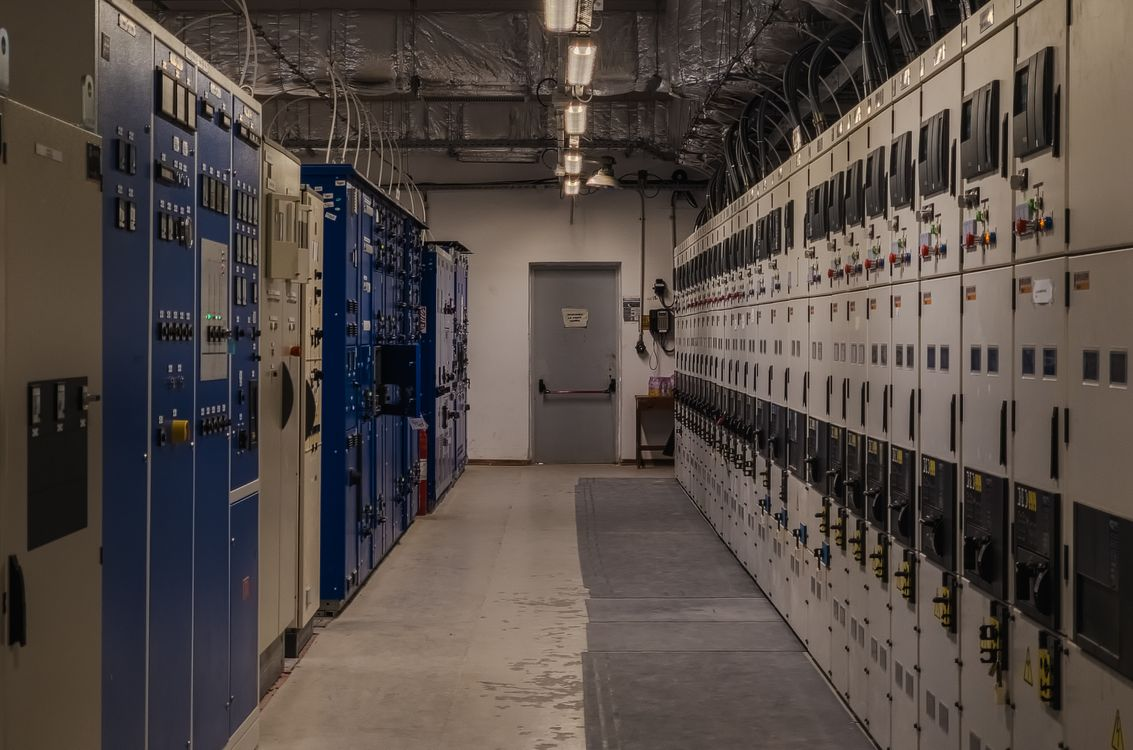
Electricity-price relief can improve operating margins, but it does not remove the engineering and commercial pressures created by rising demand on individual sites. Additional electrified process loads may require upgraded switchgear, transformers, cabling, protection, power-factor correction, connection capacity, and network reinforcement, while businesses with constrained connections may still need onsite generation, storage, or load management. A lower unit cost for electricity can strengthen the case for electrification without solving the physical limitations of the infrastructure supplying it.
Eligibility decisions for the opening window are expected in January 2027, giving suppliers and successful applicants time to prepare for the first exemptions in April. Capacity Market relief follows six months later, so the full package will not appear on bills immediately, while the government has also indicated that eligible businesses will receive an additional 2027 payment reflecting support that would otherwise have begun earlier. The administrative timetable therefore runs ahead of the eventual electricity-cost benefit by several months.
Manufacturers now have until the end of November to establish whether their sites and products qualify, assemble consumption evidence, and submit a complete application capable of surviving the scheme’s verification process. BICS removes three defined policy costs rather than restructuring industrial electricity pricing as a whole, leaving wholesale energy, network investment, and connection constraints untouched; its first meaningful measure will be the number and type of manufacturing sites that secure relief and the reduction visible in their bills from April 2027.