IN Brief:
- Wärtsilä and RCT Solutions each hold 50% of the newly formed Valo energy storage business.
- The operation enters the market with approximately 450 employees and €694 million of 2025 net sales.
- Wärtsilä expects an operating loss in 2026 before the venture moves towards positive results by late 2027.
Wärtsilä and RCT Solutions have completed the formation of Valo, transferring Wärtsilä’s global energy storage operation into a 50:50 joint venture that will trade as an independent company while retaining both groups as equal shareholders. The transaction closed on 1 October following the agreement announced in June, bringing approximately 450 employees and a business that generated €694 million of net sales in 2025 into the new structure. Wärtsilä says the net assets transferred represent less than 5% of its total net assets.
Completion closes a strategic process stretching back to October 2023, when Wärtsilä began reviewing options for its Energy Storage and Optimisation business, before separating storage into its own reporting segment in April 2025 and subsequently agreeing the RCT transaction. Energy Storage ceased to be reported as a separate Wärtsilä segment during the second quarter of 2026 and was treated as discontinued operations up to completion, while a write-down of capitalised research and development was recognised during the third quarter. Valo therefore arrives with an established operating base, but also with a financial improvement programme still to deliver.
Wärtsilä expects the venture to record an operating loss in 2026 and move towards positive results by the end of 2027, giving its owners a relatively compressed period in which to improve margins while continuing to execute existing projects. RCT Solutions adds engineering capability and supply chain experience to an operation already active in grid-scale battery integration, while Wärtsilä retains strategic exposure without carrying the business as a wholly owned division. The arrangement gives storage a dedicated management structure at a point when project size and contractual complexity are both increasing.
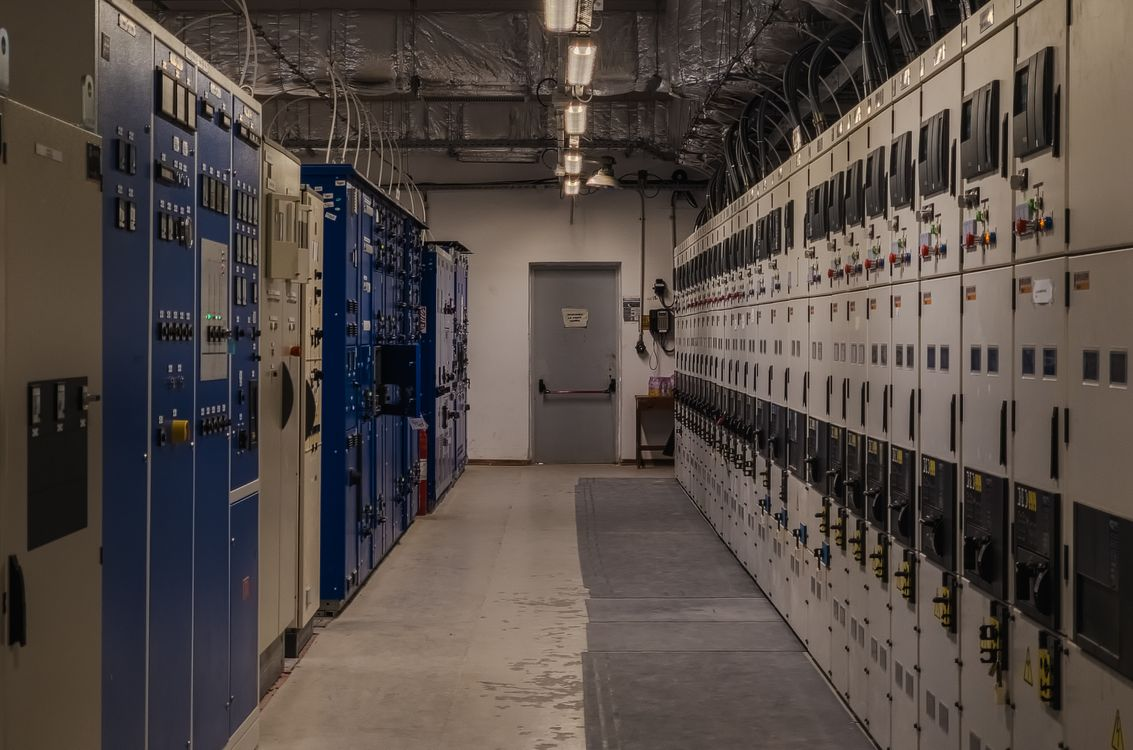
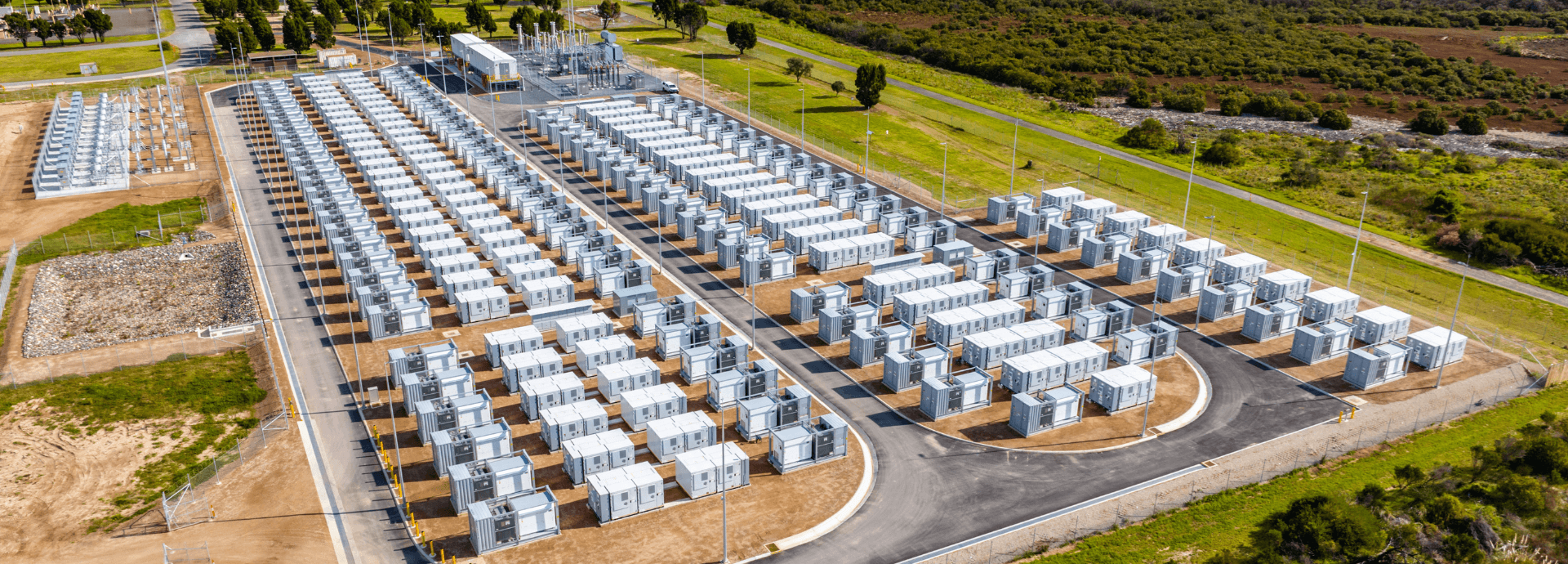
Utility-scale battery plants now bring together far more than battery containers, with power conversion systems, transformers, switchgear, thermal management, fire protection, protection and control, communications, energy management software, and grid interfaces all needing to operate as one plant. As projects move into the hundreds of megawatt-hours, commissioning errors or weak integration can affect availability across an asset whose commercial model may depend on rapid response, repeated cycling, and participation in several electricity markets. Integrators are consequently being judged on engineering execution and long-term performance alongside equipment price.
Warranty structures, degradation assumptions, augmentation planning, cybersecurity, grid-code compliance, and control behaviour increasingly sit inside the same commercial package, particularly where developers and lenders expect defined availability over long operating periods. Cell manufacturers have also expanded downstream into complete systems, increasing pressure on independent integrators to demonstrate that their engineering, software, and lifecycle support justify another layer in the supply chain. Valo inherits Wärtsilä’s project experience and customer relationships, but its independence will only carry weight if those capabilities translate into reliable delivery and improving economics.
RCT Solutions brings a different set of competencies, including international engineering experience in battery and solar manufacturing and familiarity with the supply chain around large storage projects. Wärtsilä has described that combination as a platform for long-term growth, although the practical advantage will depend on how closely manufacturing, procurement, controls, project engineering, and service operations can be coordinated inside the joint venture. Greater vertical integration can shorten interfaces and improve cost control, but it also places more delivery risk within the same organisation when schedules or component markets tighten.
The ownership structure also separates storage from Wärtsilä’s flexible generation business without cutting the relationship entirely, which may give Valo greater freedom over investment priorities while preserving access to a shareholder with substantial power-system experience. Customers with active Wärtsilä-origin projects will be watching continuity more closely than corporate structure, particularly around software support, warranties, service agreements, spare parts, and responsibility for projects already in construction. A change of ownership model is relatively straightforward on paper; maintaining technical and contractual continuity across a global installed base is the more demanding exercise.
Competition is unlikely to ease while that transition takes place. Battery cell prices can move sharply, local-content rules are becoming more significant in major markets, and grid requirements are becoming more sophisticated as storage takes on functions once associated mainly with conventional generating plant. Developers increasingly expect systems to provide frequency response, energy shifting, reserve capacity, congestion relief, or grid-forming functions without treating the controls, protection, and communications required for those services as separate additions.
Valo therefore enters the market with scale but without the luxury of an extended bedding-in period, because its owners have already attached a profitability timetable to the transaction and customers will expect existing delivery commitments to continue uninterrupted. The company begins with an established workforce, material annual sales, engineering capability from two shareholders, and a global project base; whether the joint venture improves performance will become visible through execution, service continuity, and margin development rather than through the corporate separation itself.