IN Brief:
- The N193/7.X combines a 7.3MW maximum rating with a 193-metre rotor and 95-metre single-piece blades.
- Nordex says yield can be up to 14% above the N175/6.X at typical low- to medium-wind locations.
- Germany will initially receive a 6.6MW maximum configuration, with serial production scheduled for 2029.
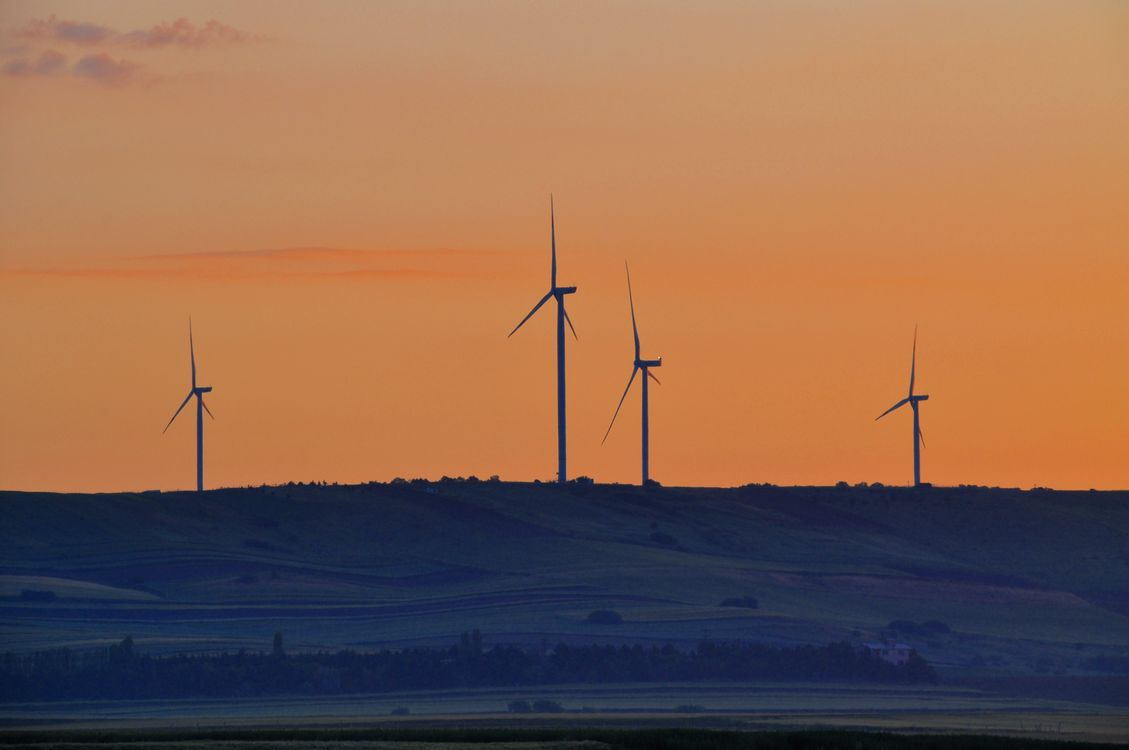
Nordex Group has expanded its Delta4000 onshore wind platform with the N193/7.X, a turbine rated at up to 7.3MW and equipped with a 193-metre rotor for medium- and low-wind sites.
The machine uses 95-metre single-piece blades and will be available in several power configurations. Nordex says annual energy yield can be up to 14% higher than the N175/6.X at representative low- to medium-wind locations, although the actual increase will depend on site conditions, tower height, operating mode, and selected rating.
Germany will initially receive a maximum configuration of 6.6MW rather than the full 7.3MW rating. The larger 193-metre rotor remains unchanged, giving the German version a lower specific power and placing greater emphasis on energy capture during lower wind speeds rather than on maximum electrical output.
The N193/7.X retains significant elements of the established Delta4000 design. Nordex says the nacelle, turbine control system, and electrical architecture are based on existing platform technology, with targeted changes made around the rotor and operating requirements. Serial production is scheduled to begin in 2029.
Reusing established platform elements reduces the number of systems that have to be industrialised simultaneously. Manufacturing processes, service tools, software, technician training, spare parts, and established component suppliers can remain applicable across more of the product family while the larger rotor extends the operating envelope.
The increase from the N175/6.X’s 175-metre rotor to 193 metres provides a substantially greater swept area. Because swept area rises with the square of rotor radius, that additional diameter allows more energy to be extracted from lower wind speeds, although the resulting loads have to be managed through blade design, hub and drivetrain engineering, controls, tower selection, and foundations.
A recent 34MW repowering order at Rauschenberg uses five N175/6.X turbines, illustrating where the smaller Delta4000 model is already entering German projects. The N193/7.X extends the same platform towards sites where a larger rotor can raise annual production without requiring a proportionate increase in generator rating.
Multiple operating modes will allow projects to balance energy yield, sound limits, capacity factor, and component loading. Onshore turbines increasingly operate within planning and grid constraints that can prevent continuous use of their headline rating, making the relationship between rotor size, power rating, and local restrictions more important than a single maximum-output figure.
The German 6.6MW configuration demonstrates that approach directly. A developer can retain the 193-metre rotor while limiting peak electrical output, improving the proportion of time the machine operates nearer its rated power during lower wind conditions. The same design can also be adapted through tower selection and operating settings to suit different site conditions.
Larger blades bring their own delivery constraints. A 95-metre single-piece blade requires suitable transport routes, turning radii, handling equipment, storage areas, cranes, and erection procedures. Civil works and foundation design must accommodate the resulting loads, while logistics can determine whether a technically suitable turbine is practical at a particular site.
Grid integration places further requirements on the established electrical architecture. Modern wind plants are expected to provide controlled active and reactive power, remain connected through defined disturbances, communicate with plant controllers, and satisfy national grid codes. Keeping a mature Delta4000 electrical and control platform reduces the amount of entirely new equipment that has to be validated for those functions.
The 2029 production target leaves a substantial industrialisation programme ahead. Prototype construction, certification, component qualification, manufacturing preparation, supplier capacity, and initial customer projects must be completed before the N193/7.X can enter volume deployment.
Those steps will determine whether the published energy-yield gains can be delivered economically. Additional production has to offset the civil, transport, lifting, and component costs associated with the larger rotor, while project returns still depend on wind resource, grid access, financing, electricity prices, and planning conditions.
Nordex has installed more than 64GW across over 40 markets and operates manufacturing facilities in Germany, Spain, Brazil, India, and the United States. That production base gives the N193/7.X an established industrial route, but the machine must still complete the transition from product launch to certified series manufacture.
The 193-metre rotor is the defining change. By combining it with familiar Delta4000 electrical and control systems, Nordex is extending the platform’s energy capture rather than replacing the architecture around it, with serial production in 2029 marking the point when that design moves from development into sustained manufacturing.