IN Brief:
- The European Commission has proposed an EU-wide sustainability rating scheme for individual data centres above 500kW.
- Ratings cover energy and water consumption alongside measures including waste-heat reuse, clean generation, and electricity-system flexibility.
- The regulation faces a two-month scrutiny period, with the first individual sustainability labels expected during 2027.
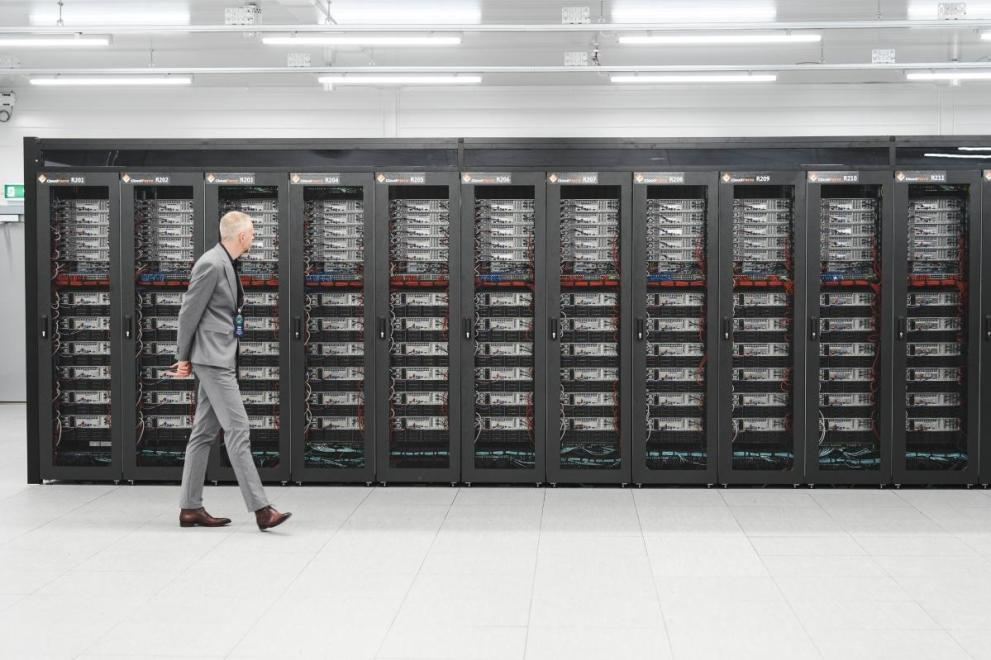
The European Commission has proposed a common sustainability rating scheme for data centres with power demand above 500kW, introducing comparable labels covering energy and water consumption alongside measures intended to show how individual facilities interact with the electricity system.
The delegated regulation forms part of the EU’s Data Centre Energy Efficiency Package and will use information collected through the reporting framework established under the Energy Efficiency Directive. The proposal is subject to a two-month scrutiny period by the European Parliament and Council, with the first sustainability labels expected during 2027.
The scheme moves beyond a single measure of electricity consumed by computing equipment. Ratings are intended to reflect actual resource use while also recognising waste-heat recovery, additional clean generation and operational flexibility that allows a facility to adjust electricity demand around grid conditions.
Data-centre power requirements are becoming large enough to influence system planning directly. The Commission says the sector is projected to account for more than 3% of total EU electricity demand by 2030, while Europe is seeking to triple data-centre capacity over the next five to seven years.
Individual developments can add hundreds of megawatts of concentrated demand to one part of a network, often with high load factors and strict requirements for continuity. Connections at that scale can require new substations, transformers and transmission reinforcement, while digital projects are frequently developed on shorter timescales than the grid infrastructure needed to supply them.
European AI data-centre development is already being pushed towards areas with available electrical capacity and shorter connection times, making grid access an increasingly important part of site selection alongside fibre connectivity, land and planning.
The Commission’s proposal brings demand flexibility into the sustainability assessment. Some computing workloads can be moved between hours or locations, while latency-sensitive applications and critical services have less operational freedom. A common rating would make differences in that capability more visible rather than treating every data centre as an identical fixed load.
Electrical resilience equipment adds another dimension. Large facilities commonly use uninterruptible power supplies, batteries, redundant distribution paths and standby generation to maintain service through grid disturbances. Those systems are installed primarily for continuity, but at sufficient scale they also represent a substantial body of power electronics and stored energy connected behind the grid interface.
Whether that capacity can support the wider electricity system depends on the design of the site, control arrangements, commercial incentives and the availability requirements of the computing load. The rating scheme cannot make a reserve battery dispatchable, but it can distinguish facilities that integrate flexibility or clean generation from those that remain largely passive loads.
Waste heat is another element of the framework. The Commission estimates that reusing around half of the heat generated by European data centres would correspond to the heating demand of approximately four million households. Practical recovery depends heavily on location because low-temperature heat requires a nearby district-heating network or another suitable consumer.
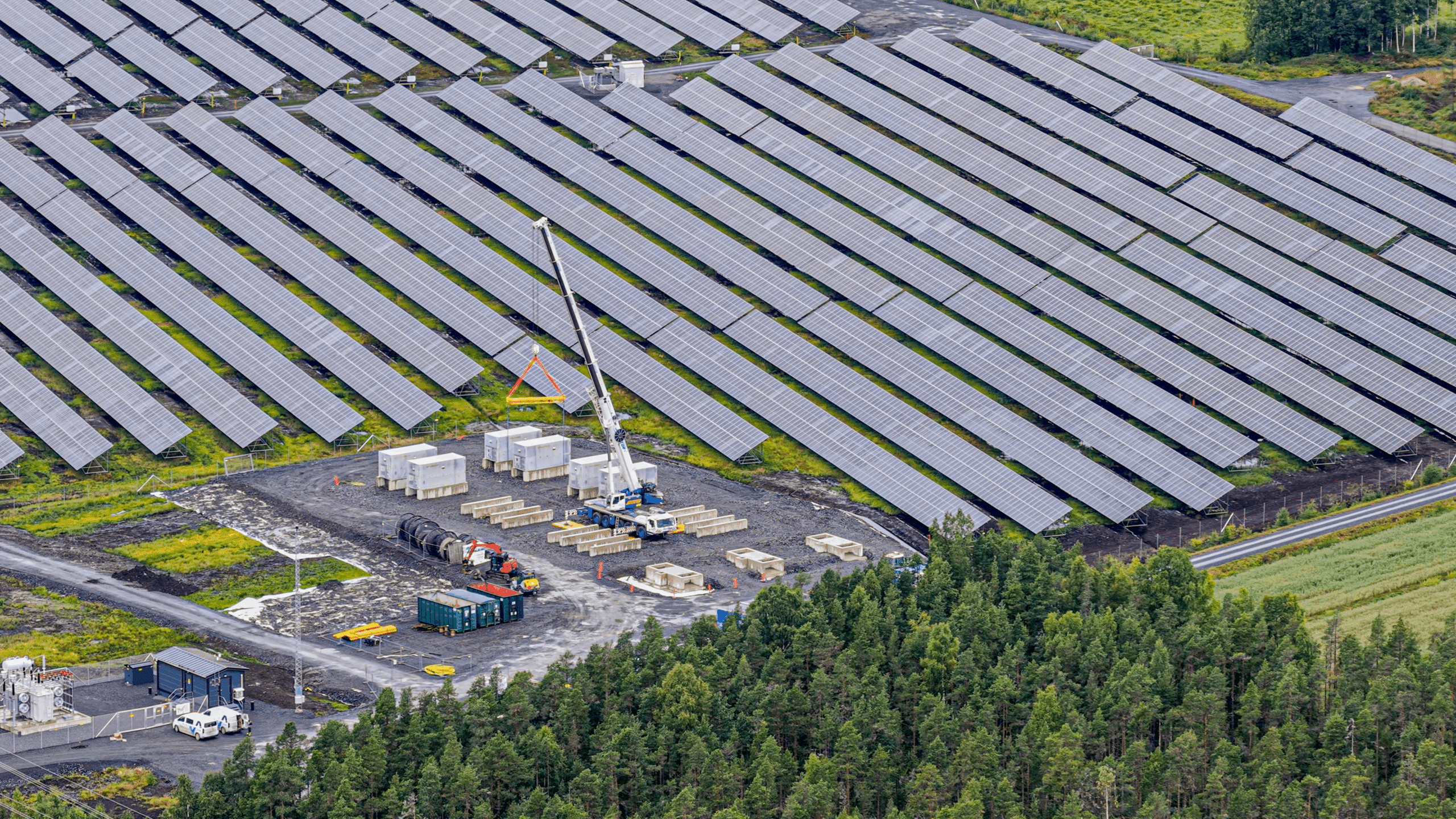
The same geographic dependency applies to clean generation. Onsite or directly connected renewable capacity can reduce net demand from the grid at some times, but a data centre requiring continuous power still depends on the surrounding electricity system whenever local generation falls below load.
The sustainability label will therefore sit across several engineering disciplines: incoming electrical capacity, cooling, server efficiency, heat recovery, energy storage, generation, monitoring and control. Comparable data could make it easier to identify facilities that achieve lower resource use without concealing the electrical demands placed on the surrounding network.
The Commission has also opened a 12-week consultation on minimum performance standards for data centres, with responses due by 14 December 2026. The feedback will support preparation of a legislative proposal planned for the second quarter of 2027, extending the programme from reporting and comparison towards possible minimum requirements.
That sequence builds on the reporting obligations already introduced for European data centres above 500kW. The accumulated operating data now provides an evidence base from which facilities can be compared, while later standards could establish minimum levels rather than simply displaying relative performance.
The rating scheme will not solve connection shortages in congested regions, but it places electricity-system interaction alongside conventional measures of efficiency. As European computing capacity expands, the distinction between an efficient data centre and an efficient grid-connected data centre is becoming increasingly important to the networks required to supply it.