IN Brief:
- CEF Energy has approved €125.81 million for three cross-border renewable energy projects.
- Two awards support German-Polish district-heating schemes involving physical network integration and new low-carbon generation infrastructure.
- €44.40 million will support Latvian balance-of-plant, grid-connection, and turbine-installation works for a cross-border wind project.
The European Commission has approved €125.81 million of Connecting Europe Facility Energy grants for three cross-border renewable energy projects, directing funding to two German-Polish district-heating schemes and the first implementation stage of a Latvia-Lithuania onshore wind development.
The European Climate, Infrastructure and Environment Executive Agency will administer the awards through the CEF Energy Cross-Border Renewable Energy framework. The largest allocation, €70 million, goes to the final works stage of the UNITED HEAT project linking Görlitz in Germany with Zgorzelec in Poland.
The works include the cross-border infrastructure needed to physically interconnect the district-heating systems and support heat exchange between them. The project has already progressed through earlier study and delivery stages, so the latest grant is directed towards physical implementation rather than preliminary feasibility alone.
A further €11.41 million has been allocated to the TWIN HEAT project linking the decarbonisation programmes of Słubice in Poland and Frankfurt (Oder) in Germany. The funded work includes replacement of existing coal-fired heat generation in Słubice with two biomass boilers, each rated at 6MW thermal, as part of the wider integration of neighbouring heat systems.
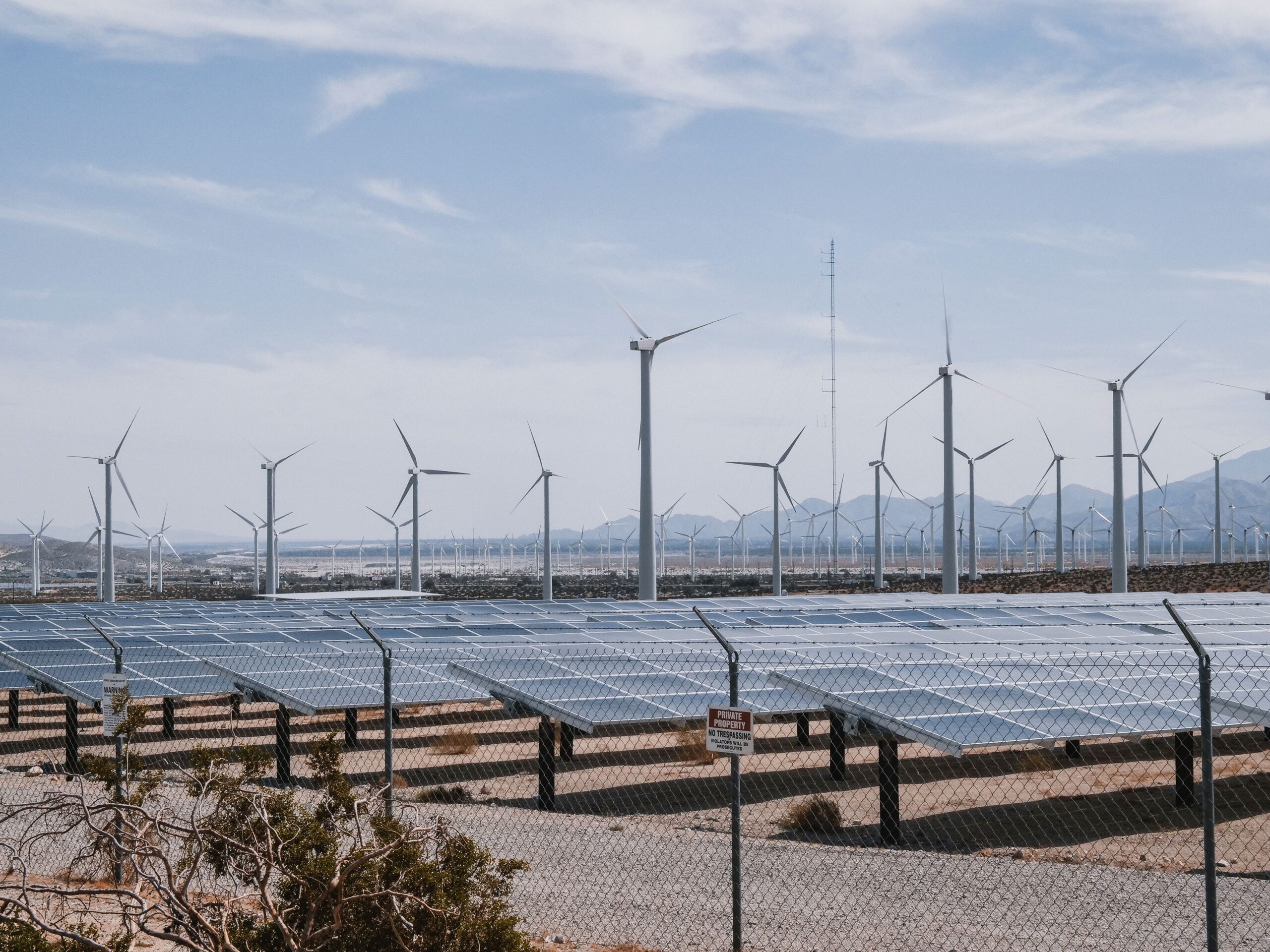
The remaining €44.40 million supports the first implementation stage of the UELJO cross-border onshore wind project near the Latvia-Lithuania border. The funded Latvian package includes balance-of-plant infrastructure, grid-connection works, and turbine installation.
Although the three awards span heat and electricity, each involves infrastructure whose value crosses a national boundary. Such projects can be harder to finance solely through domestic mechanisms because the capital cost may fall in one jurisdiction while part of the system benefit is realised in another.
The CEF Cross-Border Renewable Energy framework is intended to address that gap by supporting projects carrying formal CB RES status. The designation does not remove the need for national planning, procurement, construction, and operating arrangements, but it establishes that the scheme is expected to deliver benefits through cooperation between participating countries.
The German-Polish heat schemes illustrate the engineering consequences of that integration. Once two heat networks are physically linked, operators have to coordinate temperatures, hydraulic conditions, pumping, metering, commercial settlement, backup provision, and the way generation is dispatched between the systems.
Replacing coal-fired heat with biomass at Słubice adds another engineering package around fuel handling, boilers, emissions controls, ash management, auxiliary electrical loads, and the controls needed to integrate new generation with the existing network. The cross-border pipe connection is therefore only one part of the plant and operating changes required.
The Latvia-Lithuania wind project presents a different infrastructure problem. Turbines provide the generating equipment, but usable electrical capacity also depends on internal roads, foundations, collection systems, substations, protection, communications, and the external grid connection needed to transfer power into the regional network.
The grant’s focus on balance-of-plant and connection work recognises that those assets can carry substantial schedule and cost risk. Wind turbines can be manufactured and installed while a project remains unable to export at full capacity if its substation, cable circuits, or external connection are incomplete.
Cross-border projects also concentrate programme risk because several regulatory and construction timetables have to align. Planning approvals, national technical standards, grid agreements, procurement rules, and commissioning responsibilities can differ between jurisdictions, while a completed asset on one side of the border may have limited value until the corresponding infrastructure is ready elsewhere.
The funding sits alongside separate European energy-infrastructure mechanisms. The Commission recently opened another application round for electricity transmission, storage, and smart-grid projects seeking PCI or PMI status under the TEN-E framework.
PCI and PMI designations concern a different class of infrastructure, but both programmes respond to the same structural issue: electricity and energy networks increasingly need investment whose technical and commercial value extends beyond a single country’s boundary.
CEF support reduces part of the capital hurdle but leaves promoters responsible for detailed delivery. Contractors still have to procure equipment, coordinate civil and electrical packages, manage connection interfaces, commission assets, and demonstrate that the infrastructure performs as intended once operational.
The €125.81 million award therefore moves the three projects further towards physical execution without removing those dependencies. Their next meaningful milestones will come from construction, network integration, and commissioning, when grant-supported infrastructure begins carrying heat or electricity across the systems it was designed to connect.