IN Brief:
- ESM plans a 100MW/400MWh standalone BESS at the existing REK Bitola industrial complex.
- The €98 million programme also includes central SCADA, generation-planning, trading, IT, and cybersecurity systems.
- EBRD is considering a sovereign-guaranteed loan of up to €33.1 million, with additional co-financing expected.
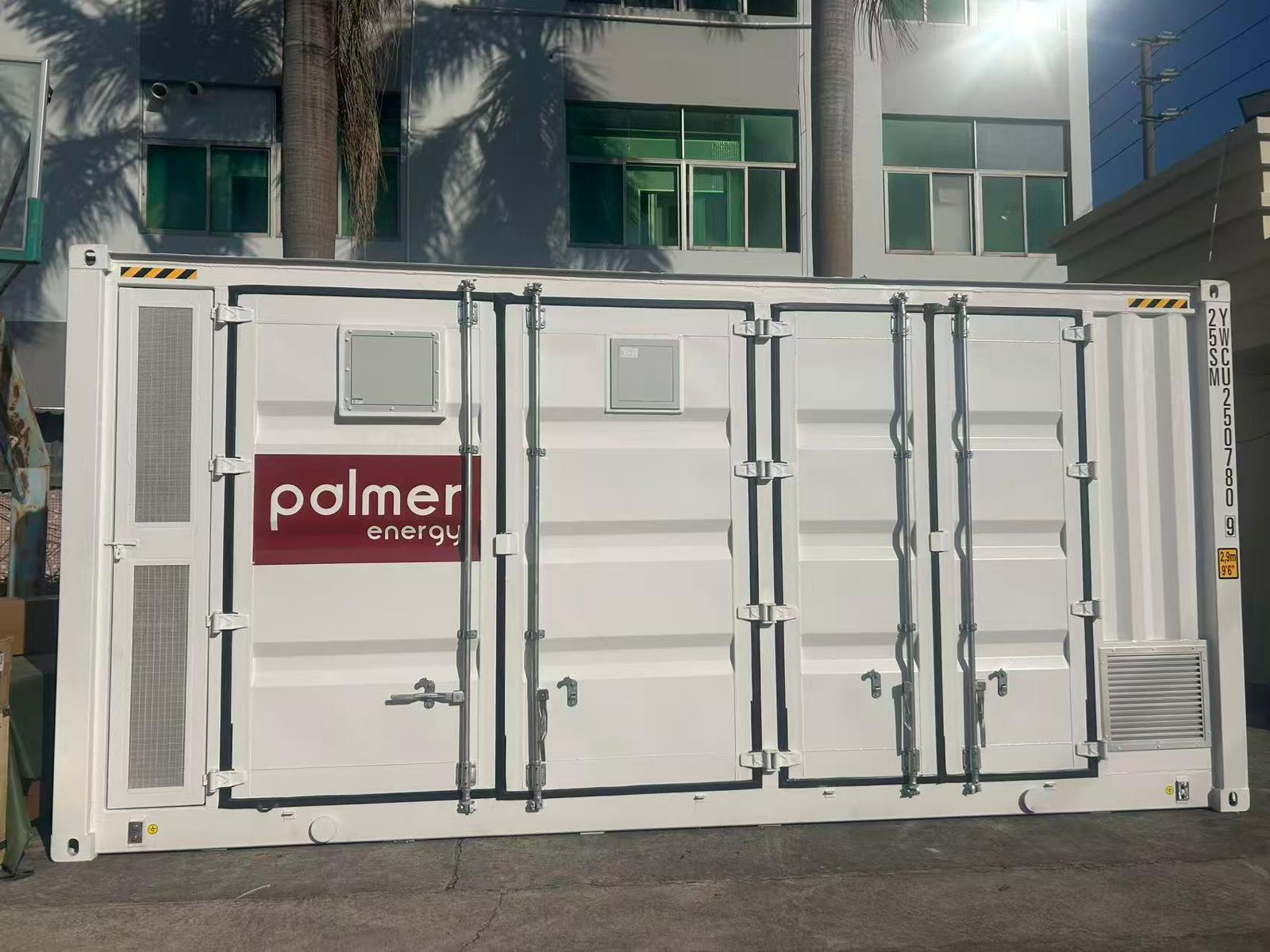
Elektrani na Severna Makedonija (ESM) is advancing a proposed 100MW/400MWh battery energy storage system at the REK Bitola industrial complex, with the European Bank for Reconstruction and Development considering a sovereign-guaranteed loan of up to €33.1 million.
The four-hour project would be North Macedonia’s first utility-scale standalone battery system. It is planned within the existing Bitola energy complex and would include an associated substation and approximately three kilometres of underground grid connection, placing the storage asset alongside one of the country’s largest existing power sites.
The wider investment package also includes a central supervisory control and data acquisition system, generation-planning and electricity-trading software, and new information technology and cybersecurity infrastructure. Those systems are intended to give ESM greater visibility and control over generation and storage while improving its ability to schedule assets and participate in electricity and balancing markets.
Total project cost is estimated at €98 million. The EBRD is considering financing of up to €33.1 million, while co-financing is expected from KfW, concessional climate finance from the Clean Technology Fund, and a Western Balkans Investment Framework grant that remains subject to approval.
The project is still exploratory and pending final review rather than approved for financing. That distinction is important because the technical scope is relatively well defined, but the funding structure and final investment decision have not yet completed the EBRD process.
ESM remains central to North Macedonia’s electricity system, and the proposed battery would give the utility a fast-responding flexibility asset as renewable generation increases. A 400MWh system operating at 100MW can discharge at full rated power for four hours before operational margins and losses are taken into account, making it suitable for intraday shifting as well as balancing services.
That duration allows the battery to absorb electricity during periods of lower demand or higher renewable output and return it during tighter periods. It cannot replace long-duration or seasonal storage, but it can reduce the size and speed of imbalances that would otherwise have to be managed through conventional generation, imports, curtailment, or market intervention.
The Bitola location also links storage with a site whose role in the country’s power system is changing. The complex has historically been centred on lignite generation, while exhausted mining land is increasingly being considered for renewable development. Storage offers a way to reuse existing grid infrastructure and operational capability while adding a different type of asset to the site.
The digital package is as important as the battery hardware. A storage plant capable of changing output by 100MW within seconds needs reliable dispatch instructions, state-of-charge management, market schedules, protection, communications, and remote supervision. The central SCADA platform provides the operating view, while planning and trading software determines how the flexibility is translated into schedules and market positions.
Closer integration also increases cybersecurity exposure. Control systems, market applications, remote access, and operational technology create more interfaces through which an incident can affect physical equipment, which is why the EBRD-backed preparation includes a dedicated cybersecurity and digitalisation gap assessment and investment plan.
The environmental and social review identifies the principal technical hazards associated with a large lithium-ion installation, including fire, thermal runaway, electrical risks, hazardous materials, emergency response, and contaminated firefighting water. The site is within an existing industrial complex, but the scale of the battery means fire strategy, separation, detection, suppression, access, and emergency procedures will form part of detailed delivery.
Preparatory work has included a WBIF-funded feasibility study, environmental assessment, design work, and technical specifications. That reduces some early development uncertainty, although procurement, financing, detailed engineering, and final approvals still have to be completed before construction can begin.
The project is also identified within North Macedonia’s Just Energy Transition Investment Platform, which is intended to support renewable generation, network reinforcement, and the move away from coal. A battery of this scale would not generate electricity, but it would give ESM a controllable asset able to move energy between periods and support a more variable generation fleet.
If financing proceeds, the engineering challenge will be to integrate the battery, substation, underground connection, SCADA, trading systems, and cybersecurity controls as one operational platform. The value of the 400MWh capacity will depend on that integration as much as on the cells themselves.