IN Brief:
- Flémalle provides 875MW of flexible generation capacity, with annual output estimated at 4.4–5.3TWh.
- The CCGT has 63% efficiency and can vary output by up to 50MW per minute while operating.
- Selected through Belgium's capacity remuneration mechanism, the plant adds dispatchable capacity alongside renewables, nuclear generation, storage, and interconnection.
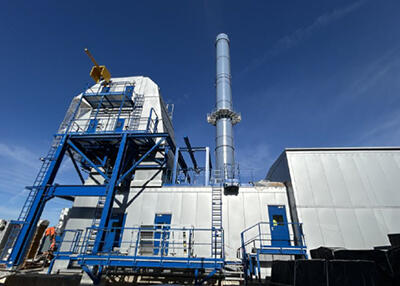
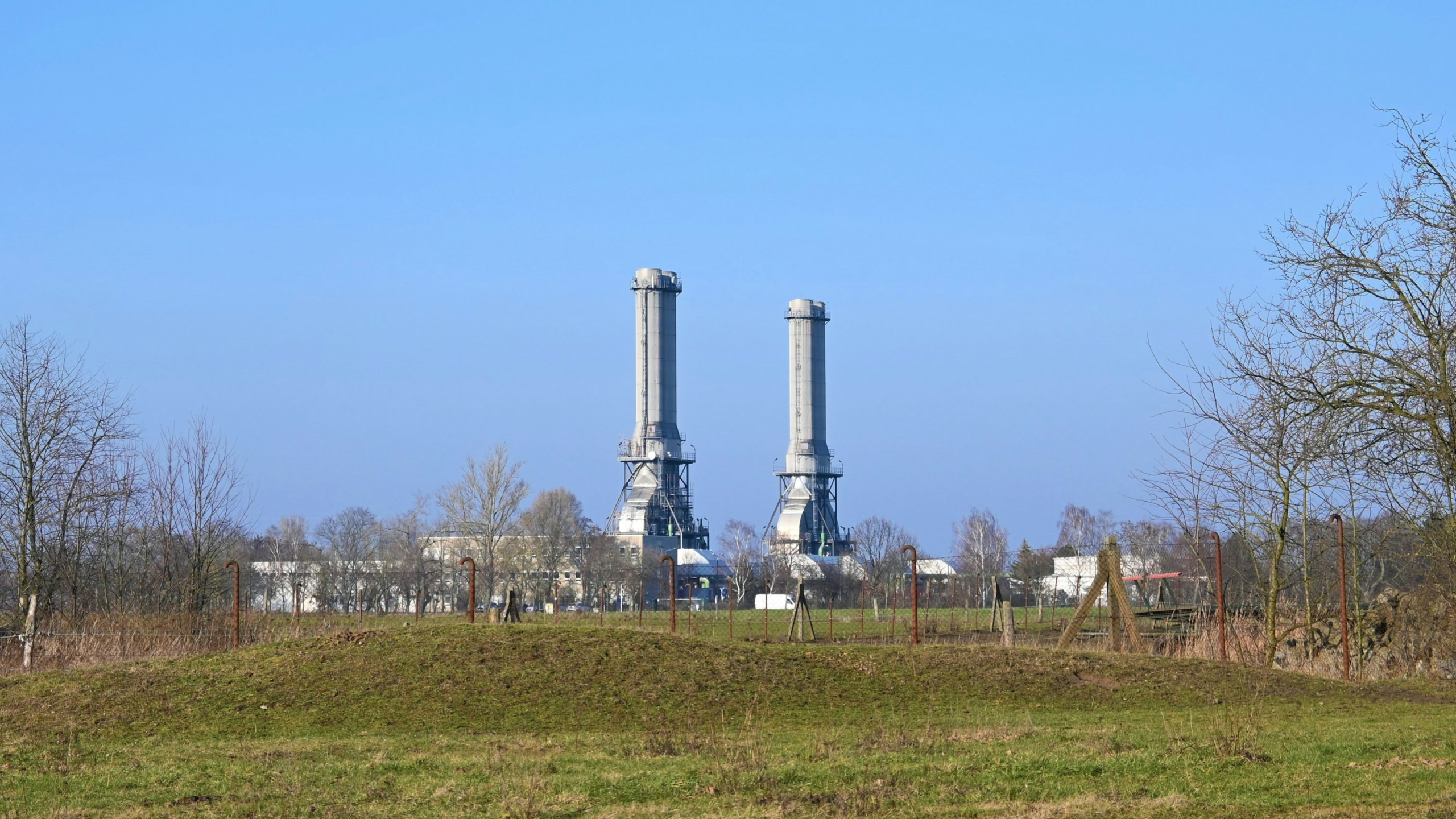
ENGIE has formally opened its 875MW combined-cycle gas turbine plant at Flémalle, bringing a €650 million flexible generation asset into Belgium’s changing power mix. The plant has been operational since 31 October 2025, making the 7 September ceremony a formal inauguration rather than the start of generation.
Built on a site used for energy production since 1951, Flémalle was selected in 2021 under Belgium’s capacity remuneration mechanism. ENGIE estimates annual generation of between 4.4TWh and 5.3TWh, equivalent to the average electricity consumption of more than one million Belgian households.
The engineering case rests as much on controllability as on installed capacity. ENGIE gives the CCGT an efficiency of 63% and says it can vary output by up to 50MW per minute while operating, allowing the unit to react to changing system conditions as wind and solar generation rise and fall.
Combined-cycle operation uses heat from the gas turbine exhaust to raise steam for a second turbine, extracting additional electrical output from the same fuel input. The configuration does not remove the carbon emissions associated with natural gas, but higher efficiency reduces fuel consumption and emissions per megawatt-hour compared with less efficient thermal generation when the plant is dispatched.
ENGIE has also designed the plant with potential future changes in fuel and carbon management in mind. The company says Flémalle can operate with green gases and can be equipped with carbon capture, although neither capability means the plant is presently operating without fossil-gas emissions. Conversion would depend on fuel supply, infrastructure, economics, regulation, and the technical modifications eventually selected.
Belgium’s flexibility requirement is increasingly being divided between technologies with different operating characteristics. Grid-scale batteries can respond almost immediately and are suited to frequency control, short-duration balancing, and shifting electricity between trading periods. Pumped storage provides a larger energy reservoir, while interconnection allows power to move between neighbouring systems when capacity and market conditions permit.
A large CCGT performs a different task. Its output is not restricted by a battery’s state of charge or discharge duration, provided fuel remains available and the unit is technically capable of running. Batteries, in turn, can absorb surplus electricity and return it without combustion, making the two technologies complementary across different timescales rather than direct substitutes in every operating condition.
The capacity remuneration mechanism gives Flémalle a commercial role based partly on dependable availability rather than electricity-market revenues alone. That becomes more important as annual running patterns for thermal generation become less predictable. A plant designed to support a renewable-heavy system may spend fewer hours operating continuously, while facing greater requirements for starting, stopping, and changing load.
Those operating patterns also change the maintenance burden. Repeated starts, ramps, and thermal cycles impose different stresses on turbines, heat-recovery equipment, valves, controls, and auxiliary systems than steady baseload operation. ENGIE says 37 permanent jobs now cover plant operation and maintenance after construction employed an average of around 500 workers on site each day.
Flémalle enters service as Belgium continues adding storage and other flexible resources rather than relying on one technology to cover every balancing interval. Recent battery projects in the country are extending storage duration into multi-hour operation, while existing pumped storage and cross-border connections provide further tools for system operators.
The 875MW plant consequently adds a large block of controllable generation to a system in which the timing of electricity production is becoming as important as annual energy output. Its technical performance will be measured through availability, efficiency across varying loads, ramping behaviour, and maintenance requirements, while any eventual switch to alternative fuels or carbon capture remains a separate investment decision.