IN Brief:
- Renewable technologies generated 13,640GWh in August, representing 53.6% of Spain’s electricity generation.
- Solar PV led the mix for a fifth consecutive month with 7,445GWh and a 29.2% share.
- Including estimated self-consumption lifts the renewable share to 55.1%, while 954GWh was integrated through battery and pumped-hydro storage.
Red Eléctrica has reported that renewable technologies supplied 53.6% of Spain’s electricity generation during August, producing 13,640GWh as photovoltaic output remained the largest individual source in the national generation mix.
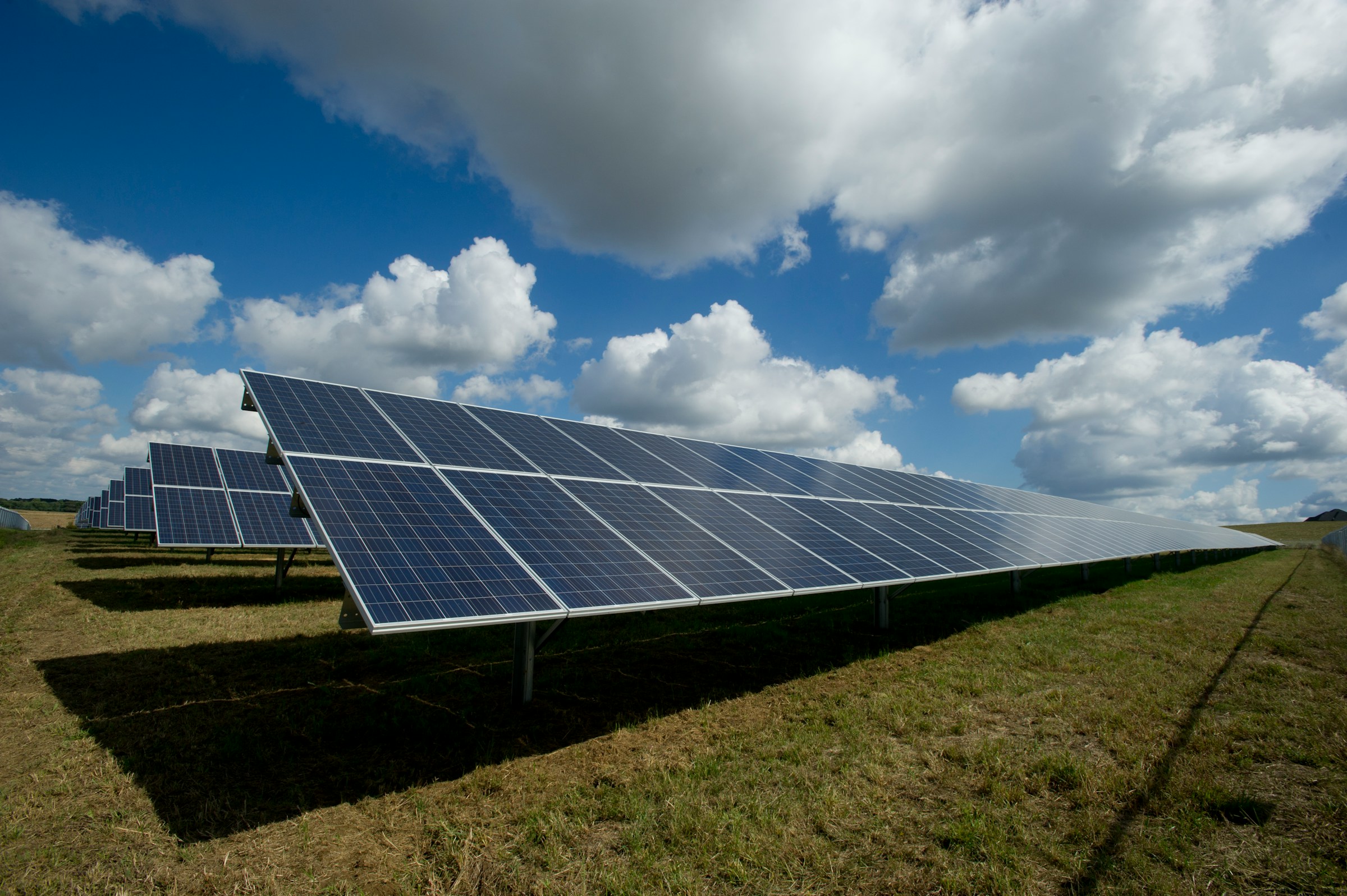
Renewable generation increased by 11% compared with August 2025, while solar PV led the mix for a fifth consecutive month. Photovoltaic plants generated 7,445GWh, up 27.5% year on year, giving the technology a 29.2% share before estimated self-consumption is included.
Solar also set a new daily production record on 5 August, when output reached 281.2GWh. The figure exceeded the previous maximum recorded in July and reflects both the continued expansion of installed photovoltaic capacity and the increasingly dominant position of solar during daylight hours in the Spanish summer.
Combined-cycle gas generation was the second-largest contributor during August with 20.7%, followed by nuclear at 18.6%, wind at 13.3%, and hydropower at 6.9%. Red Eléctrica said 72.2% of generation during the month was free from equivalent carbon dioxide emissions.
The published generation mix does not include all electricity produced behind customer meters. Red Eléctrica estimates that self-consumption installations generated around 1,600GWh during August. Once that estimated production is included, renewables account for 55.1% of the Spanish electricity mix.
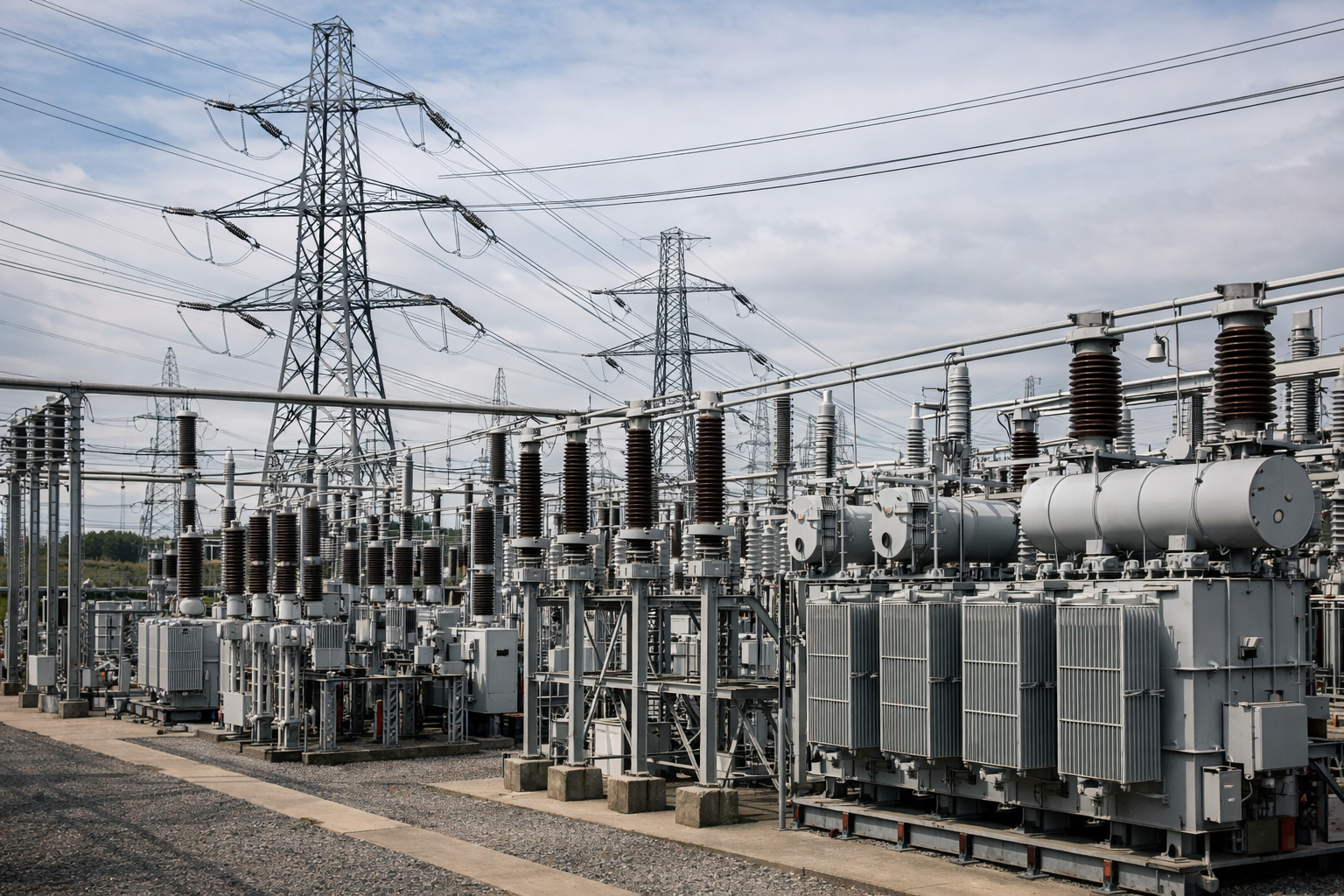
The distinction is becoming increasingly important for system operation. Transmission-connected generating assets are directly visible to the system operator, whereas distributed photovoltaic systems reduce the demand seen by the grid before that demand reaches conventional system measurements. As self-consumption expands, the difference between underlying electricity use and measured system demand becomes more pronounced during sunny periods.
Storage is also starting to play a measurable role in accommodating renewable production. Red Eléctrica said 954GWh was integrated into the network during August through battery systems and pumped hydropower, allowing electricity to be moved away from the period in which it was initially available.
That figure is useful because renewable penetration cannot be assessed purely through annual or monthly generation shares. The operational challenge occurs hour by hour: photovoltaic production is concentrated in daylight, wind output varies with weather conditions, and demand follows a separate profile shaped by industrial activity, commercial loads, households, and temperature.
Spain’s electricity demand continued to rise at the same time. After adjustment for temperature and working-day effects, national demand increased by 2.4% compared with August 2025. In unadjusted terms it reached 23,137GWh, 3.7% higher year on year.
Across the first eight months of 2026, demand totalled 175,858GWh, an increase of 2.8% compared with the same period in 2025. Once calendar and temperature effects are removed, the increase stands at 1.7%.
Rising demand alongside an 11% increase in renewable production gives the August figures more weight than a percentage share achieved during weak consumption. The system had to accommodate higher renewable output while also supplying a larger overall load, requiring dispatchable generation and flexibility to cover the periods when renewable production did not match consumption.
Solar’s 29.2% contribution creates a particularly visible daily balancing requirement. Output climbs rapidly through the morning, peaks around the middle of the day, and falls towards the evening. Electricity demand does not follow the same curve, leaving other generation, storage, interconnection, and demand-side resources to adjust around the solar profile.
Combined-cycle generation continues to provide part of that flexibility, helping explain its 20.7% share even in a month when renewables generated more than half of the country’s electricity. Hydropower can also change output relatively quickly where water availability permits, while storage can absorb power during high renewable periods and return it later.
The 954GWh storage-integration figure does not by itself identify how much came from batteries and how much from pumped hydro, and the Red Eléctrica release does not provide that split. It nevertheless demonstrates that energy shifting is already occurring at material scale alongside renewable generation.
Greater behind-the-meter generation creates a second operational requirement: forecasting. If distributed PV output differs materially from the operator’s expectation, the variation can appear as an unexpected movement in demand. Accurate estimates of self-consumption therefore matter for balancing, reserve procurement, congestion management, and network planning.
The growth in solar capacity also reinforces the need for grid investment. Photovoltaic projects can be developed considerably faster than major transmission reinforcement, while the most productive renewable locations do not necessarily coincide with the strongest parts of the network or the largest centres of consumption.
Where generation grows faster than transmission capacity, congestion and curtailment can erode the value of additional renewable output. Storage can relieve some of those pressures by changing when electricity is exported, but its usefulness depends on location, connection capacity, duration, and the operating signals available to the asset.
Spain’s August figures therefore show two developments moving together: renewable energy continues to take a larger part of electricity production, while storage and system flexibility are becoming more important to make that production usable. The 53.6% headline establishes the scale of renewable generation; the harder engineering measure is how reliably the power system can accommodate higher instantaneous shares without losing frequency, voltage, or sufficient controllable capacity.