IN Brief:
- Tata Power Renewable Energy has commissioned a 100MW group captive solar plant at Kayathar in Tamil Nadu.
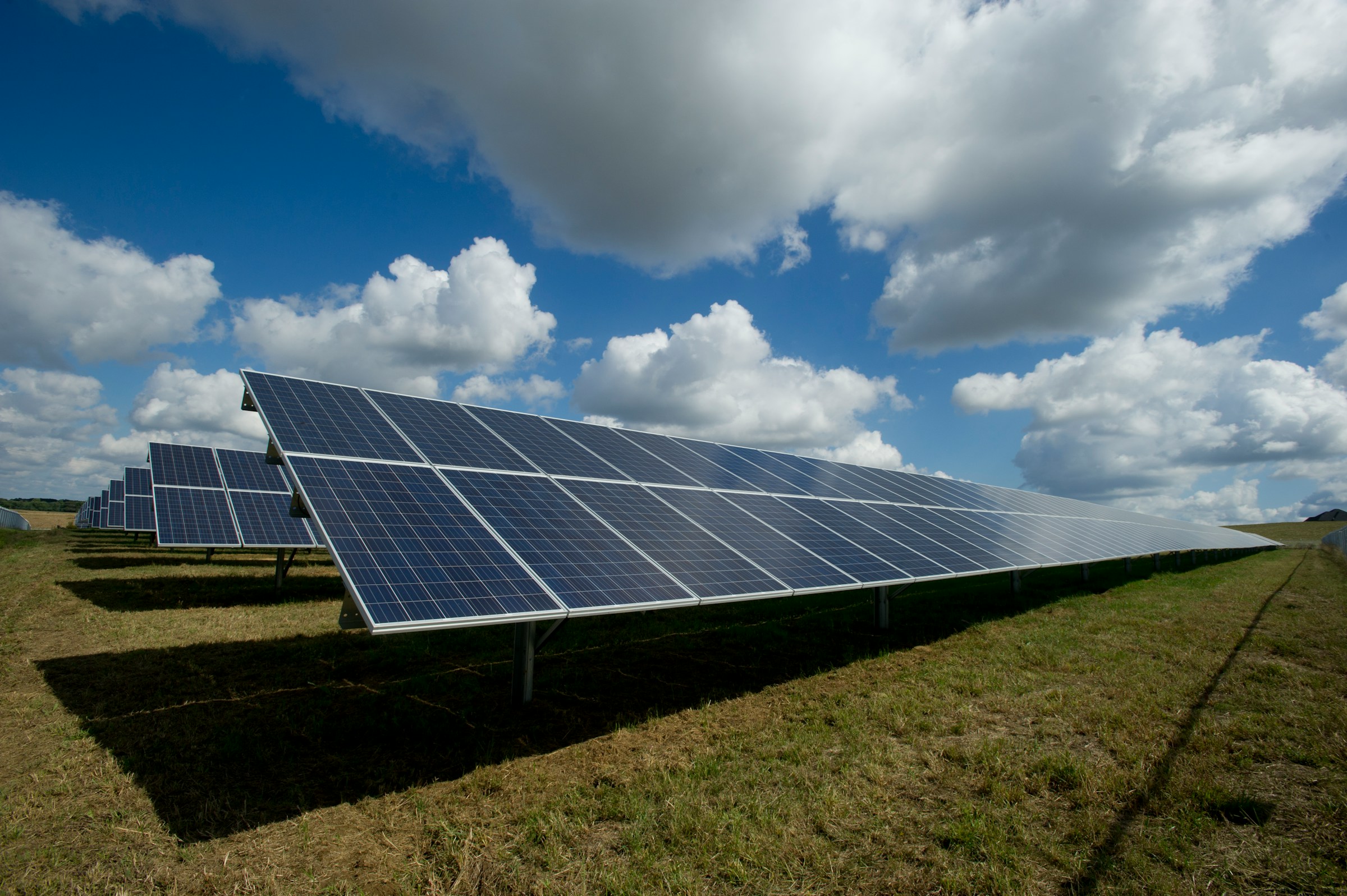
- The plant uses 261,660 Mono PERC bifacial modules with flexible-terrain-compatible single-axis tracking.
- Output will supply Tata Electronics, TP Solar, and Tata Realty through the Kayathar 400kV grid substation.
Tata Power Renewable Energy has commissioned a 100MW group captive solar project at Kayathar in Tamil Nadu, linking new renewable generation directly with electricity demand from Tata Group manufacturing and infrastructure businesses.
The TNGC-2 project is located at Vellalankottai and Nalandhula villages and allocates 53.125MW to Tata Electronics, 40.625MW to solar-cell and module manufacturer TP Solar, and 6.25MW to Tata Realty and Infrastructure.
More than 93MW of the plant is therefore assigned to electronics and solar manufacturing operations, making the project as much an industrial-power investment as a renewable-generation addition. For electricity-intensive production facilities, generation procurement increasingly has to be planned alongside factory capacity rather than treated as a separate purchasing exercise.
The plant uses 261,660 Mono PERC bifacial photovoltaic modules mounted on Flexible Terrain Compatible single-axis trackers. Tata Power describes the tracker deployment as a first for one of its Indian projects, with the mechanical arrangement designed to follow changing ground profiles while retaining the energy-yield advantages associated with solar tracking.
A conventional fixed-tilt array sets module orientation during construction and leaves it unchanged throughout operation. Single-axis trackers rotate rows during the day to keep module surfaces more favourably aligned with the sun, increasing potential energy production but adding motors, bearings, controls, cabling, structural loads, and maintenance requirements.
Terrain-following designs attempt to reduce one of the civil-engineering compromises associated with large tracker installations. Instead of extensively grading a site to create uniform row geometry, parts of the mechanical system can accommodate changing ground levels, reducing earthworks while maintaining acceptable tracker alignment.
That does not remove the need for precise civil and mechanical control. Foundation levels, row spacing, drive loads, module clearance, drainage, wind loading, and tracker geometry still have to remain within specified tolerances across an installation containing more than a quarter of a million modules.
The bifacial module design introduces another dependency between electrical output and physical layout. The modules generate from light reaching both their front and rear surfaces, making row height, ground reflectivity, shading, tracker position, and spacing relevant to realised energy yield.
Tata Power expects the plant to generate 240.63 million units of electricity annually. Actual production will depend on irradiation, module temperature, soiling, tracker availability, inverter performance, curtailment, grid availability, and losses across the electrical system.
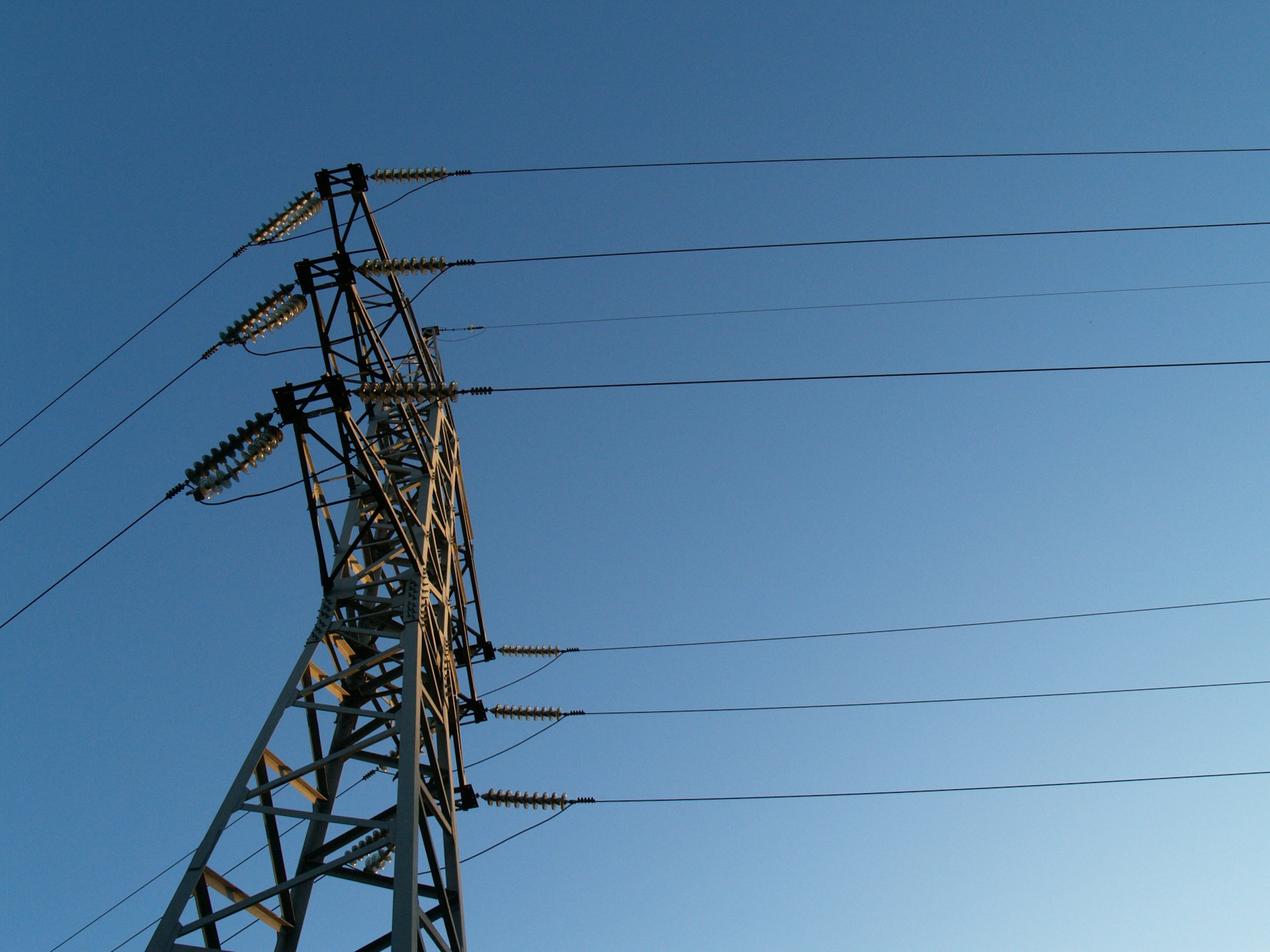
The project exports through the Kayathar 400kV grid substation, placing the captive-generation model firmly inside the wider electricity system. Power produced at the solar site still has to be transformed, metered, scheduled, and transmitted through the network before it can be credited against consumption by the participating businesses.
That makes the grid connection as important commercially as the modules themselves. A captive plant can have sufficient installed generation to meet a substantial share of a customer’s annual electricity requirement, but its value falls quickly if transmission restrictions or outages prevent the energy from reaching the relevant settlement point.
The arrangement also has to accommodate the mismatch between solar production and industrial load. Manufacturing demand can extend well beyond daylight hours, while solar output rises and falls with irradiation. The project therefore reduces the volume of electricity the participating businesses have to procure from other sources without making them electrically independent of the grid.
Tata Electronics is expanding semiconductor and advanced-electronics manufacturing activity, where electrical availability and power quality are critical operating requirements. Process interruptions in sophisticated electronics plants can affect production well beyond the duration of the original supply disturbance, increasing the value placed on robust electricity infrastructure.
TP Solar provides a different but related industrial load. The company manufactures cells and modules used further down the solar supply chain, meaning electricity from the Kayathar plant will support production of equipment intended for future renewable-generation projects.
That relationship does not make the manufacturing process self-sufficient in renewable energy, but it connects generation investment directly with a business exposed to both electricity cost and the rapid expansion of solar deployment.
Tata Power Renewable Energy now reports more than 7GW of operational renewable capacity, including over 5.7GW of solar and 1.3GW of wind. The wider Tata Power utility portfolio has reached approximately 12.3GW.
A further 5.3GW of renewable capacity remains under development, consisting of roughly 2.2GW of solar and 3.1GW of wind, with commissioning expected in phases over the following six to 24 months.
That pipeline shifts the engineering challenge towards repeatability. Delivering several gigawatts of projects requires land, civil works, modules, trackers, inverters, transformers, substations, transmission access, protection, metering, and commissioning teams to be available across overlapping construction programmes.
Kayathar has moved beyond those development risks and into operation. The measure now becomes how closely actual annual generation approaches the 240.63 million-unit forecast and whether the tracker, module, inverter, and grid infrastructure maintain availability over the operating life of the plant.
With 261,660 modules and a mechanically active tracking system, small changes in reliability can compound into material energy differences over a year. Preventive maintenance, vegetation control, cleaning, drive-system condition, monitoring, and rapid fault response will therefore matter alongside the headline 100MW capacity.
For the participating Tata businesses, commissioning provides a long-term generation source linked directly to industrial consumption. The plant does not remove their dependence on the wider power system, but it gives manufacturing expansion a dedicated 100MW renewable asset connected through one of the highest-voltage levels used on the regional grid.