
IN Brief:
- Harmony Energy has energised its 35MW/70MWh Skeeby BESS near Richmond in North Yorkshire.
- The two-hour installation uses Tesla Megapack technology and is preparing to enter commercial operation.
- Skeeby is Harmony’s first project energised since Alpiq announced its strategic investment in the developer.
Harmony Energy has energised its 35MW/70MWh Skeeby battery energy storage system near Richmond, North Yorkshire, bringing the two-hour installation into the final commissioning phase before commercial operation.
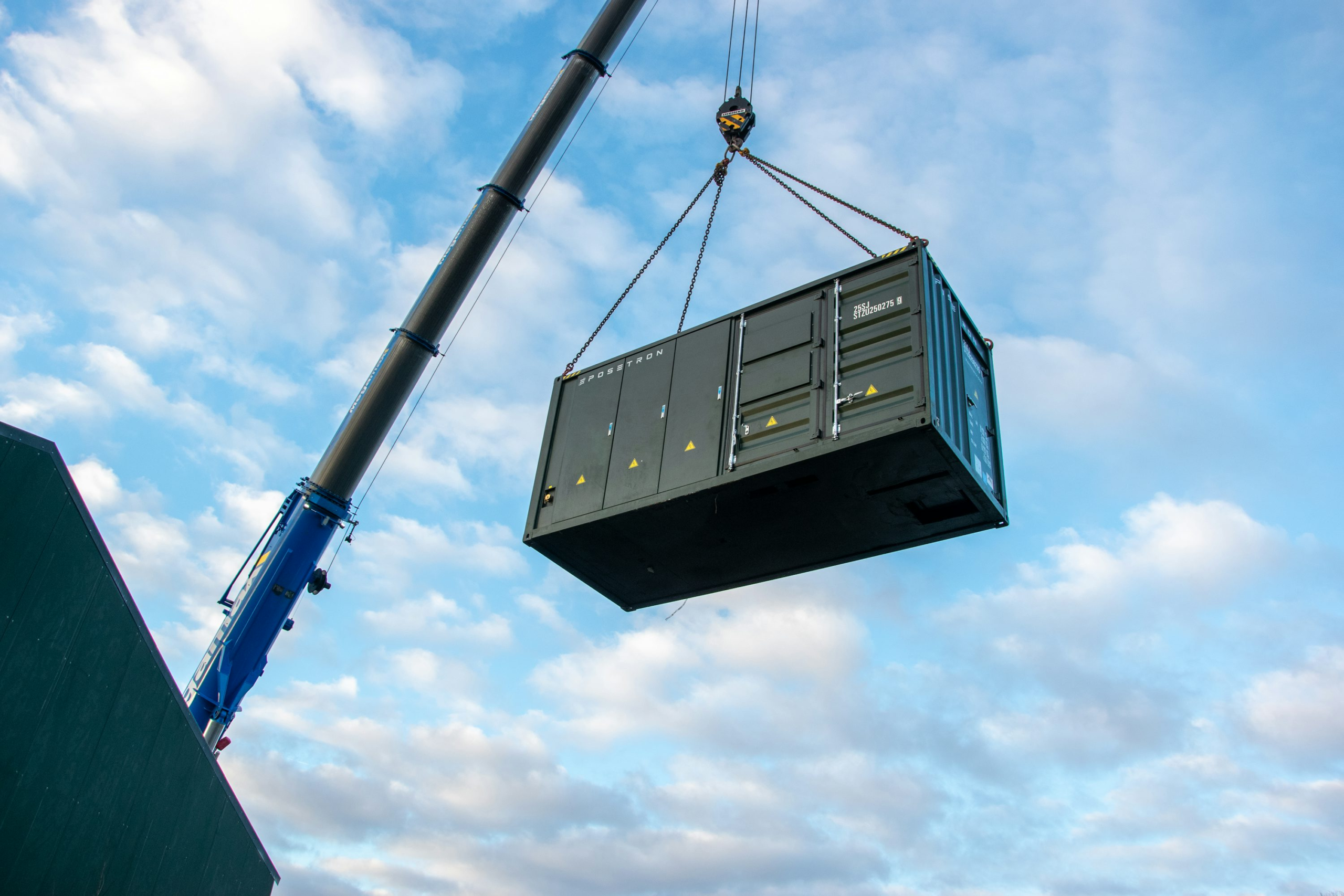
The project uses Tesla Megapack technology and is capable of charging from the electricity system before returning energy when market or network conditions favour discharge. Harmony says the stored energy is equivalent to supplying around 120,000 homes for two hours, although the plant will operate according to market dispatch and system requirements rather than a fixed household load.
The energisation was first reported on 20 August, rather than during the current 25–26 August sourcing window. It remains in the commissioning list under the approved override, but the underlying milestone should be dated to the earlier announcement rather than treated as a fresh 26 August event.
Skeeby sits near a solar development that Harmony previously owned but sold in 2023. The battery remains a separate asset, meaning its charging and discharging are not restricted to the output profile of the neighbouring solar farm.
Energisation moves the project into testing
Bringing a BESS electrically live marks a different stage from completing the visible construction work. Containers, transformers, switchgear, cabling, fire systems, communications, and control equipment may already be installed, but connection to the network allows the complete plant to be tested under operating conditions.
Commissioning typically covers charging and discharging performance, active and reactive power control, protection, metering, plant communications, emergency functions, and compliance with network requirements. Site controls must also coordinate individual battery units while respecting inverter limits and the state of charge across the system.
Skeeby’s 35MW power rating and 70MWh energy capacity give it a nominal two-hour duration at maximum output. That places it within a common configuration for Britain’s existing battery fleet, combining sufficient energy for intraday shifting with the rapid response available from inverter-connected storage.
The revenue environment for those assets has changed as more batteries have entered operation. Britain’s earlier BESS projects were able to secure strong returns from relatively shallow frequency-response markets, but additional competition has pushed operators towards a broader mix of balancing, wholesale, reserve, and other flexibility opportunities.
That increases the importance of dispatch rather than merely installed capacity. A battery has to be available at the useful moment, with enough state of charge and connection capacity to act on the market signal. Efficiency losses, degradation, maintenance, and warranty limits all sit underneath the headline trading opportunity.
Tesla Megapacks provide the storage hardware at Skeeby, continuing an equipment relationship used across several Harmony projects. Common hardware can simplify parts of the maintenance and operating model, but site-specific protection, connection arrangements, and network constraints still distinguish one project from another.
Skeeby is also the first Harmony project to be energised since Alpiq announced its investment in the company. The Swiss energy group agreed to acquire a 90% stake, giving it access to Harmony’s development and operating platform while the existing business continues under its own brand.
That transaction links battery development more closely with a company active in generation, optimisation, and electricity trading. Storage assets create physical flexibility, but the commercial value of that flexibility is heavily dependent on how accurately they are scheduled across changing markets.
For Harmony, the capital backing arrives as the UK storage sector becomes more execution-intensive. Obtaining planning permission is only one stage; projects still have to secure a viable connection, finance equipment, manage construction, complete grid testing, and enter commercial markets.
Skeeby has now moved through most of those physical stages. Once commercial operation begins, the project will compete in a market containing considerably more battery capacity than Britain had when Harmony developed some of its earliest large installations.
That competition places greater pressure on technical availability. Losing a few high-value trading periods because of an inverter fault, communications failure, or restricted connection can matter more than a modest change in annual energy throughput.
Battery lifetime must also be managed against revenue. Deeper and more frequent cycling can extract more short-term market value but contributes to degradation, while maintaining reserve headroom can restrict the amount of energy available for wholesale trading.
The plant controller and optimisation strategy therefore have to balance immediate price signals against the battery’s physical condition and existing commitments. A two-hour duration creates options, but those options remain bounded by 70MWh of usable energy and the 35MW connection capability.
Skeeby also demonstrates why storage beside a renewable project should not automatically be described as a co-located hybrid. Harmony sold the neighbouring solar farm, and the battery is able to operate against conditions on the wider grid rather than solely shifting generation from that one site.
The next milestone is full commercial operation. Energisation has established the live electrical connection; commissioning now has to demonstrate that the Megapacks, power conversion, protection, controls, and network interfaces can perform together reliably enough for the project to enter the markets on which its operating case depends.

