
IN Brief:
- Kozloduy reduced Unit 5 output by around 120MW as critically low Danube levels tightened operating conditions.
- The plant had maintained a dedicated monitoring and response group since early July as river levels continued falling.
- The measure highlights hydrology as a practical availability constraint for otherwise serviceable large thermal generating assets.
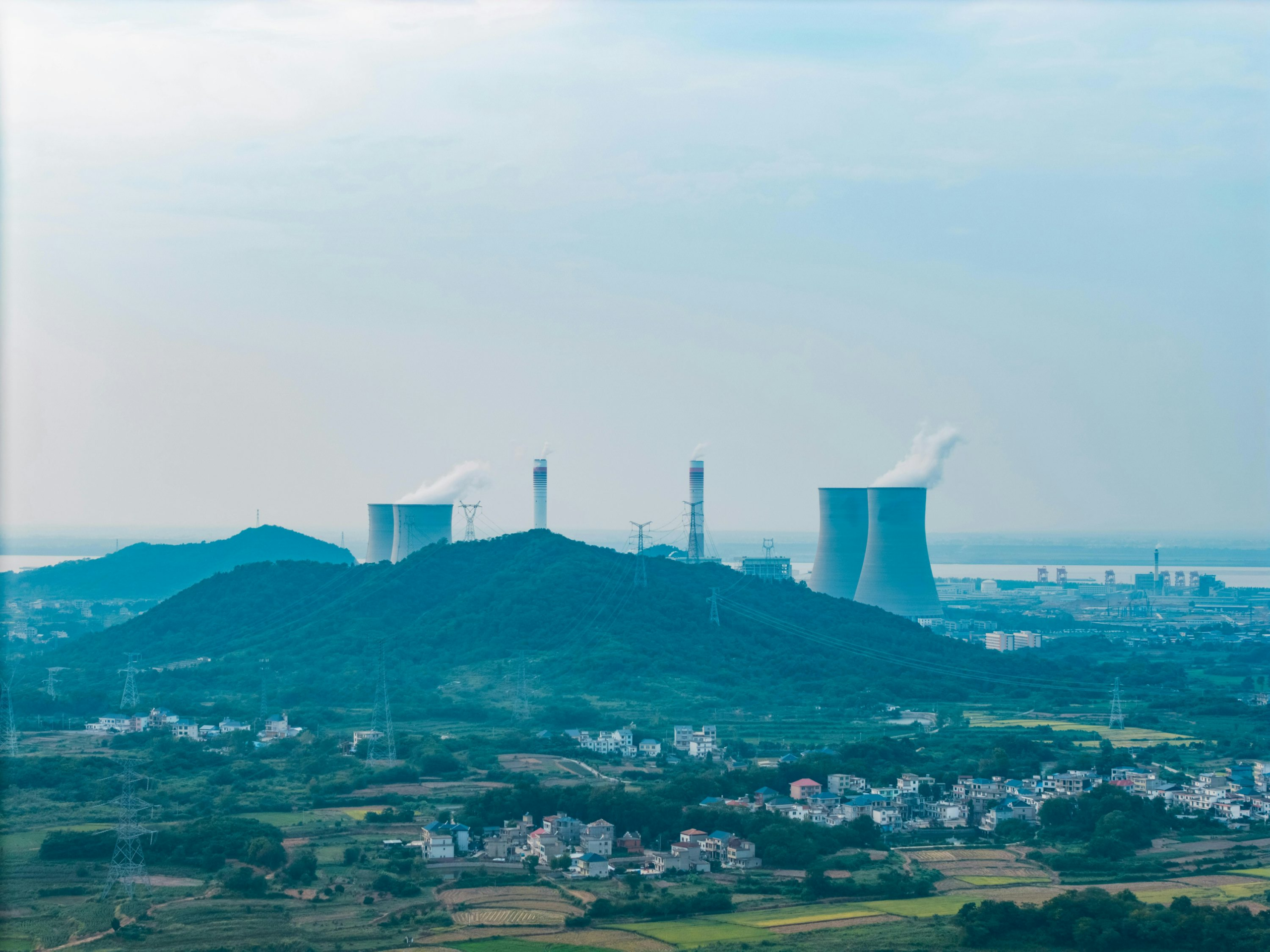
Kozloduy Nuclear Power Plant reduced output from Unit 5 by around 120MW after critically low water levels on the Danube tightened operating conditions at Bulgaria’s only nuclear power station.
The plant announced the preventative reduction for 21 August after forecasts indicated a further decline in river levels upstream of the Bulgarian section. Kozloduy described the measure as part of its programme for maintaining safe and reliable operation during extreme hydrological conditions and said it was the first such reduction for meteorological and hydrological reasons in the site’s 52-year operating history.
The decision followed several weeks of closer monitoring. Kozloduy established a dedicated task force in early July as the Danube continued to fall, while maintaining contact with the Executive Agency for Exploration and Maintenance of the Danube River and applying measures intended to preserve operating margins.
The plant had already described river levels as exceptionally low for recent decades, linking the situation to prolonged heat and limited rainfall across much of the Danube catchment. By late July, the conditions were severe enough for Bulgarian authorities to discuss regional measures intended to support river levels around the nuclear site.
Kozloduy is a major component of Bulgaria’s electricity system. Units 5 and 6 are both WWER-1000 pressurised water reactors, and the site normally supplies more than one third of the country’s annual electricity generation, so even a partial reduction removes dispatchable capacity that would otherwise be available to the system.
The approximately 120MW cut is modest relative to the site’s total operating capacity, but its cause is technically significant. The reduction was not announced as the result of a reactor fault or routine maintenance; it was a deliberate operating response to external river conditions affecting the margins under which the station can continue to run safely.
Large thermal and nuclear stations depend on reliable heat rejection and service-water systems, and river conditions can become an operating constraint even when the reactor and turbine plant remain mechanically available. Falling levels can alter the hydraulic conditions around intake and pumping infrastructure, while high water temperatures can impose a separate limitation during hot weather.
A preventative reduction in reactor power lowers the thermal duty that ultimately has to be handled by the station’s systems. That gives operators additional margin while the external water source remains constrained, making the action materially different from an emergency trip or an unplanned loss of generating equipment.
The distinction matters for power-system planning because nominal generating capacity and available capacity are not always the same thing. A 1,000MW-class reactor is useful to the grid only when its cooling arrangements, auxiliary systems, transmission connection, fuel, staff, and environmental operating limits are all available at the same time.
River-cooled generation has faced similar stresses elsewhere in Europe during periods of drought and high temperatures. The engineering response varies by plant design and local regulation, but the common issue is that environmental conditions can constrain otherwise serviceable thermal generation, creating a link between hydrology and electricity adequacy that is easy to miss when capacity is discussed only in megawatts.
For system operators, the electrical consequence is direct. Any preventative reduction has to be balanced by other generation, imports, storage, or demand-side flexibility, and the significance grows if several river-dependent plants face restrictions during the same weather pattern.
Longer-term resilience is more complicated than simply installing larger pumps. Intake geometry, minimum river levels, sediment, water temperature, cooling-system performance, environmental limits, maintenance access, and the ability to forecast hydrological conditions all shape how much operating margin can be preserved. Changes to one part of that system can also introduce new licensing or environmental requirements.
The site’s dependence on the river also makes forecasting an operating tool rather than simply a weather service. Upstream river levels, anticipated flows, and the persistence of hot, dry conditions can affect how early operators need to create margin, giving plant teams time to reduce output deliberately rather than wait for a more restrictive threshold to be reached.
Kozloduy’s response so far has centred on monitoring, operating procedures, and a controlled reduction rather than a shutdown. The plant’s own status information continued to show Unit 5 online after the measure was introduced, underlining that the objective was to retain generation while creating additional margin.
The episode is still a warning for planners because the constraint sits outside the reactor island. Electrical systems are becoming more dependent on weather-sensitive generation at the same time as some dispatchable thermal assets remain exposed to weather through their cooling and water requirements.
Unit 5 remains a large, controllable source of electricity, but the Danube has temporarily become part of its practical capacity limit. That is a useful reminder that dependable generation is a property of the whole plant and its environment, not simply the nameplate rating attached to the generator.

