
IN Brief:
- Harmony Energy has energised the 35MW/70MWh Skeeby BESS near Richmond in North Yorkshire.
- The nominal two-hour system uses Tesla Energy Megapack technology.
- Energisation moves the installation into live commissioning before unrestricted commercial dispatch.
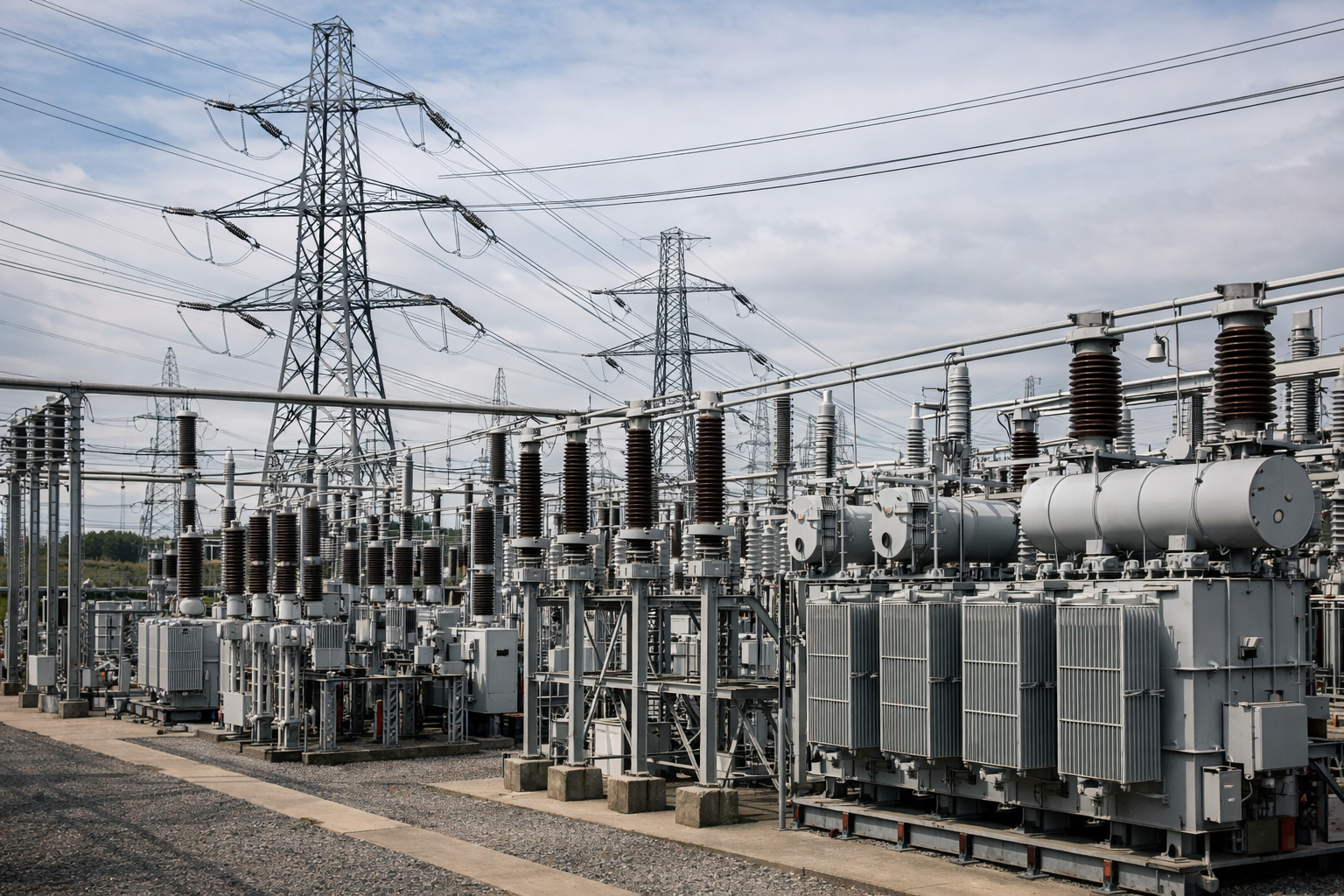
Harmony Energy has energised its 35MW/70MWh Skeeby battery energy storage system near Richmond in North Yorkshire, bringing the two-hour project onto the electricity network ahead of full commercial operation. The installation uses Tesla Energy Megapack technology and has now moved from construction into live commissioning.
Energisation is a significant technical milestone but should not be confused with completion of commissioning. It confirms that the site’s electrical infrastructure can be made live and connected to the network, allowing the battery, power-conversion equipment, protection, controls, metering, and communications to be tested under real operating conditions.
Construction started earlier in 2026, with Tesla Megapacks subsequently delivered to site. Harmony Energy identified grid cabling, final site works, and commissioning as the principal steps remaining before energisation, and the completion of that sequence now puts Skeeby considerably closer to commercial availability.
With 35MW of maximum power and 70MWh of stored energy, the project has a nominal two-hour duration. The MW rating determines how quickly the system can import or export electricity, while the MWh figure determines how long that output can be maintained. In practice, usable duration is influenced by operating reserves, conversion losses, degradation limits, and the state-of-charge range selected by the operator.
That distinction determines what the battery can do commercially and technically. A two-hour system can absorb electricity during periods of excess supply and return it later, while the rapid response of power electronics also allows batteries to participate in frequency and balancing services where the market and connection arrangements permit.
Modern storage assets increasingly move between several such duties rather than being assigned permanently to one service. The control and optimisation platform has to evaluate market opportunities while preserving enough state of charge and power capability to meet committed services. That makes software and controls as central to commercial performance as the battery cells themselves.
At equipment level, battery management systems monitor cell voltage, temperature, and state of charge. Power-conversion equipment controls the AC interface, while plant-level SCADA, metering, protection, and dispatch systems coordinate the installation with the network and commercial operator. A failure in any one layer can constrain the whole 35MW asset even when the underlying cells remain healthy.
Commissioning is therefore intended to prove interaction between those systems rather than simply demonstrate that individual Megapacks can charge. Protection functions have to identify abnormal conditions and isolate equipment correctly, communications must remain dependable, instructed power changes need to be delivered accurately, and the site has to behave within its agreed voltage and frequency requirements.
Thermal and safety systems form another part of that work. Grid-scale batteries contain large quantities of electrochemical cells operating through repeated charge and discharge cycles, so temperature management, fault detection, emergency controls, and fire-safety provisions have to remain available throughout operation rather than only during exceptional events.
Skeeby joins a growing UK fleet of grid-connected storage at a point when renewable generation is increasing the requirement for flexibility. Wind and solar output can rise when demand is comparatively low and fall again as weather conditions change. Batteries do not create additional electricity, but they can alter when part of that generation is absorbed and returned to the system.
The commercial environment is also evolving as more batteries compete for the same balancing and frequency markets. Revenue available from an individual service can tighten as additional capacity enters, favouring assets capable of moving between several markets while managing degradation and maintaining availability.
Repeated cycling has a direct physical cost because usable battery capacity declines over time. Operators therefore have to compare the value of each dispatch opportunity with the effect on cell life, warranty conditions, thermal loading, and future availability. A technically responsive battery is only useful commercially if the operating strategy avoids consuming too much asset life for too little revenue.
Harmony Energy has delivered a sizeable portfolio of storage projects in Britain and continental Europe, and Skeeby is one of the assets moving through its current construction pipeline following Alpiq’s investment in the company. The project is now past the point where civil completion is the principal concern.
The remaining test is whether the installed 35MW/70MWh system can perform reliably as a live power-system asset. Successful commissioning across the Megapacks, protection, power conversion, SCADA, metering, and dispatch interfaces will convert Skeeby from an energised project into commercially available storage capable of responding repeatedly to network and market requirements.

