
IN Brief:
- Perigus Energy's 81MW Garreenleen solar farm in County Carlow has entered full operation.
- The project increases the company's operating capacity on the island of Ireland from 373MW to 454MW.
- Grid infrastructure installed during the original build also anticipates a proposed further 82MW phase.
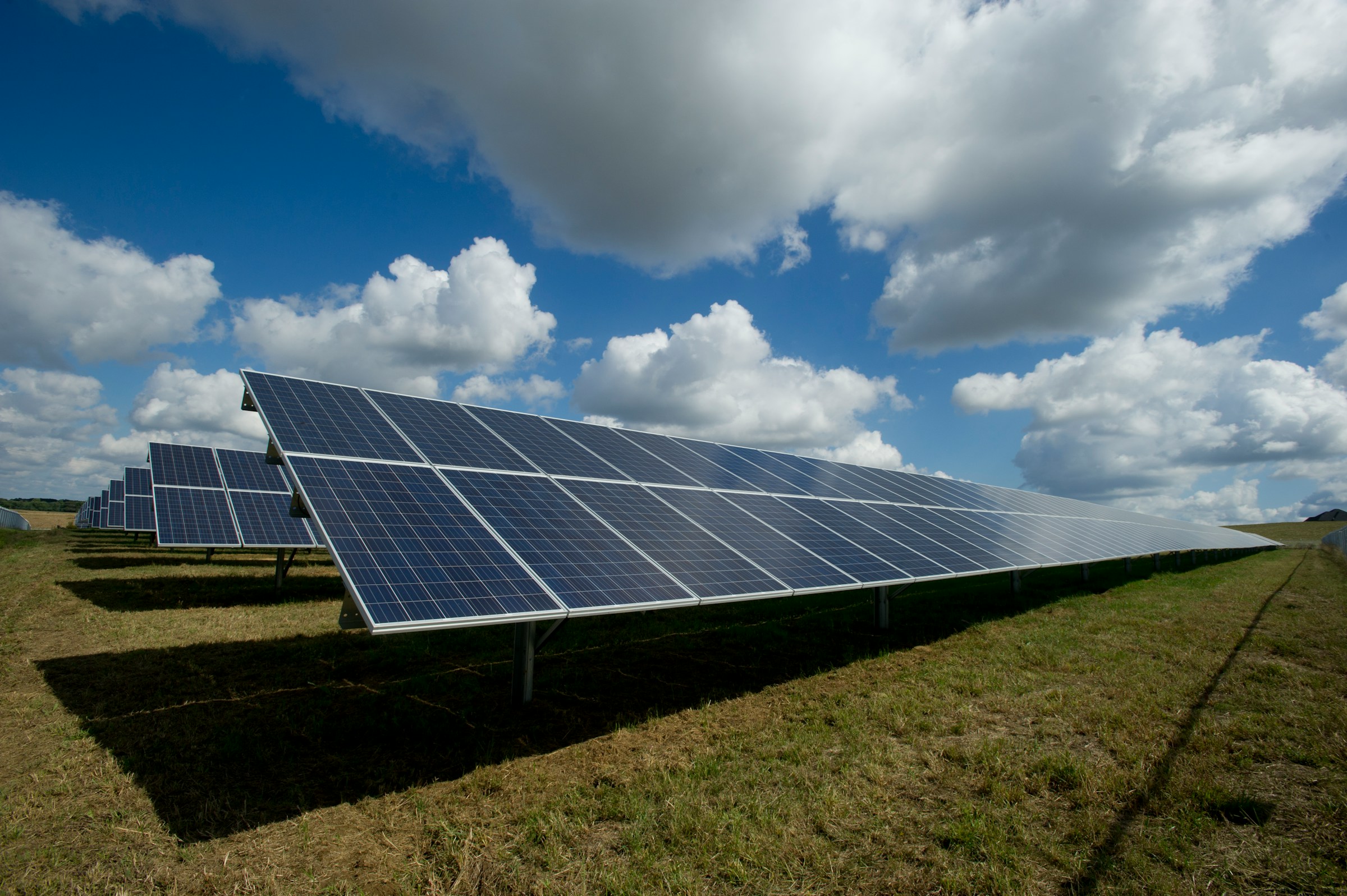
Perigus Energy has brought the 81MW Garreenleen solar farm in County Carlow into full operation, completing its first operational solar project in Ireland. The site, approximately 15km outside Carlow town, is now exporting electricity to the Irish grid after construction began in June 2024.
Garreenleen is expected to produce enough electricity annually to match the consumption of around 29,000 Irish homes. Its completion increases Perigus Energy’s operational capacity on the island of Ireland from 373MW to 454MW and takes its operating European portfolio to 668MW across Ireland, the UK, Germany, and Spain.
The project secured a contract through Ireland’s Renewable Electricity Support Scheme 3 auction in 2023. Construction then moved forward under the company’s former Ørsted Onshore identity before the business was rebranded as Perigus Energy, leaving the underlying electrical project and its delivery programme unchanged.
Moving into commercial operation shifts Garreenleen from construction to long-term asset management. The photovoltaic modules now have to operate as part of a complete power station comprising DC collection circuits, inverters, transformers, protection, metering, communications, control systems, and the grid connection through which the site’s output reaches the wider network.
Inverters are particularly important because they determine how DC output from the module arrays is converted and presented to the AC system. Their functions extend beyond conversion efficiency to active and reactive power control, voltage behaviour, fault response, and communications with plant-level systems. Those capabilities become increasingly important as inverter-based generation takes a larger share of total electricity production.
The project also illustrates the speed with which utility-scale solar can be delivered once planning, financing, equipment, and network arrangements align. Construction began in June 2024 and full operation followed in August 2026. The timetable is shorter than that associated with many large thermal or offshore generation schemes, although the grid connection remains capable of dictating progress regardless of how quickly modules can be installed.
Perigus incorporated grid infrastructure for a proposed second Garreenleen phase into the original construction programme. That further phase is planned at approximately 82MW, although it remains separate from the 81MW plant now in operation. Preparing connection infrastructure in advance can avoid duplication later, provided network capacity, commercial arrangements, and future project approvals allow the additional generation to proceed.
Ireland’s electricity system already operates with a large proportion of wind generation, and growing solar adds a complementary but still weather-dependent profile. Solar output is concentrated during daylight hours and can reduce demand for other generation when irradiation is strong. As installed capacity rises, forecasting, flexible demand, interconnection, storage, and network control become more important in managing the difference between renewable output and consumption.
Garreenleen adds another 81MW of inverter-connected generation to that system. The individual project is modest relative to national demand, but similar additions accumulate quickly. Voltage control, system strength, frequency behaviour, and transmission constraints increasingly have to be considered across a fleet in which a rising proportion of power arrives through electronic converters rather than synchronous machines.
The site also carries operational obligations beyond the electrical equipment. Ten per cent of the development has been reserved for biodiversity enhancement, while more than 1.2km of native hedgerows has been planted for screening and ecological corridors. Perigus is also making approximately €240,000 available each year through a community benefit fund during the project’s operation.
Those commitments now sit alongside routine power-station work such as vegetation management, module inspection, inverter maintenance, electrical testing, security, drainage, and monitoring of performance against expected generation. Long operating lives make degradation and component obsolescence important considerations, particularly for inverters and communications equipment that may require replacement before the modules themselves reach the end of useful service.
Garreenleen gives Perigus an operating reference for the rest of its solar pipeline while adding a further renewable generator to the Irish system. The immediate milestone is straightforward — 81MW is now commercially operational — but the longer engineering test will be availability, controllability, and integration as Ireland adds more solar alongside wind and storage. The proposed second phase will depend on those same grid considerations before another 82MW can follow the first project onto the network.

