IN Brief:
- Triple Point-managed funds have acquired the 49.2MW Hessay Solar project from Recurrent Energy.
- Construction is under way and grid connection is targeted for the second half of 2027.
- A 15-year AR6 Contract for Difference provides an inflation-linked revenue framework.
Triple Point-managed funds have acquired the 49.2MW Hessay Solar project near York from Recurrent Energy, taking ownership after development work had already moved the scheme into construction.
The project covers approximately 61.3 hectares and has secured a 15-year Contract for Difference through the UK Government’s sixth allocation round. Recurrent Energy, a subsidiary of Canadian Solar, developed Hessay to ready-to-build status before transferring the asset.
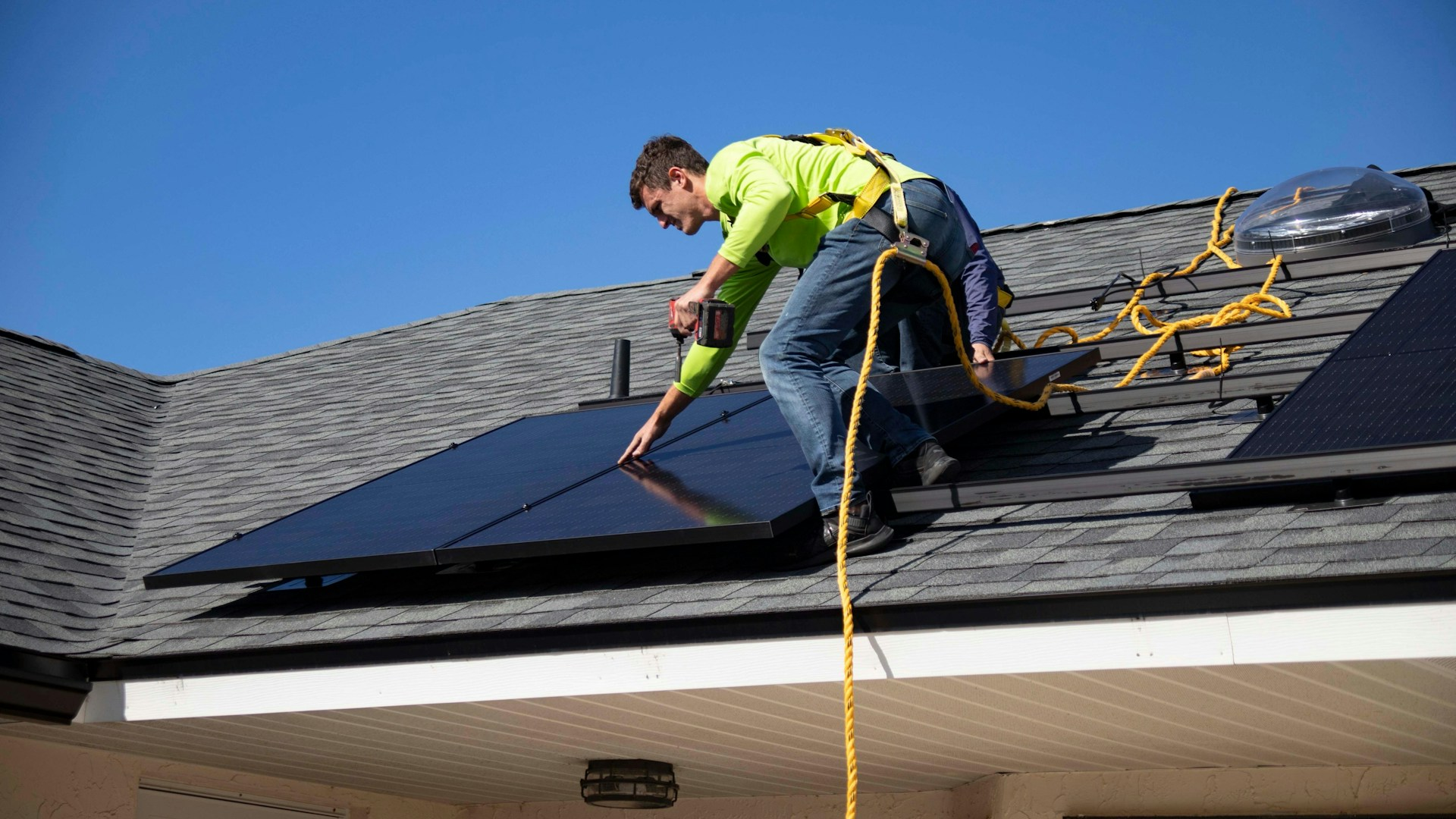
Construction is now under way, with grid connection targeted for the second half of 2027 and commercial operation expected by the end of that year. The transaction therefore transfers a project with planning, revenue support, and a delivery programme already in place rather than an undeveloped solar pipeline.
At 49.2MW, Hessay requires a substantial electrical balance of plant despite photovoltaic generation having fewer moving parts than conventional power stations. Solar modules produce direct current that must be collected, converted to alternating current, transformed, protected, metered, and synchronised with the electricity network.
The grid connection is consequently one of the project’s most important remaining milestones. Module mounting and installation can advance visibly across the site while energisation still depends on cables, transformers, switchgear, protection settings, communications, metering, and any network works required at the connection point.
A completed solar field without an energised export route remains a construction asset rather than an operating power station. Connection schedules therefore carry considerable commercial weight, particularly where equipment and civil works are substantially complete before the network interface becomes available.
Hessay’s Contract for Difference reduces another source of uncertainty. The AR6 contract provides a 15-year inflation-linked support mechanism around an agreed strike price, limiting some exposure to wholesale electricity prices once the plant enters eligible operation.
That contracted framework can make construction-stage renewable assets more attractive to infrastructure investors because a significant part of future revenue is governed by a known mechanism rather than entirely by merchant power prices. Technical availability, generation levels, curtailment, and contract compliance still determine how much revenue is ultimately realised.
The ownership transfer also illustrates the division of labour within renewable development. Recurrent Energy progressed planning, land, development, and commercial arrangements before selling the project, while Triple Point-managed capital is taking ownership through construction and into operation.
Such transactions allow developers to recycle capital into new projects while long-term owners concentrate on construction oversight, asset management, operating performance, and contracted cash flows. The model depends on a sufficiently mature project being handed over with major development risks already reduced.
Hessay still retains execution risk. Contractors must complete the civil and electrical works, photovoltaic modules and inverters have to be installed and tested, environmental obligations have to be met, and the plant must satisfy the requirements for energisation and commercial operation.
The project also includes biodiversity commitments across the site. Triple Point says the approved design is expected to increase habitat units by 63%, hedgerow units by 91%, and river units by 29%, alongside new hedgerows, wildflower areas, and grassland enhancement.
Those measures are not part of the electrical system, but they remain part of the construction and operating plan because solar projects occupy large land areas. Drainage, vegetation management, access, security, ecological conditions, cable routes, and generation equipment must coexist for the life of the site.
Triple Point estimates that Hessay could generate electricity equivalent to the annual consumption of about 14,100 homes once operating. The comparison gives a sense of annual scale, although output will enter the wider network and vary with irradiance, season, weather, equipment availability, and any curtailment.
The 49.2MW rating similarly represents peak generating capability rather than continuous production. Solar output falls every evening and changes through the year, so system value increasingly depends on the flexibility available elsewhere in the network as aggregate photovoltaic capacity rises.
Batteries, interconnectors, flexible generation, demand response, and network reinforcement can all help accommodate larger volumes of midday renewable electricity and the subsequent fall in solar output. Hessay itself does not need to solve those system-wide issues, but it will contribute to the operating pattern that makes them more important.
The acquisition is Triple Point-managed funds’ second solar purchase of the year following a 28MW project in Essex. That suggests continuing appetite for assets close to construction and operation, particularly where planning and revenue support are already secured.
For Hessay, ownership is now a secondary issue to execution. The next material events will be physical: construction completion, energisation, grid connection, and commercial operation. If those stages remain on schedule, the 49.2MW project should move from a developed investment asset to a functioning generator during the second half of 2027.