
IN Brief:
- Iancu Jianu has begun delivering power after connecting 59MW of solar capacity.
- Econergy plans a co-located 35MW/70MWh battery with grid connection targeted for Q2 2027.
- Storage would add energy shifting, balancing, and market optimisation to the operating solar asset.
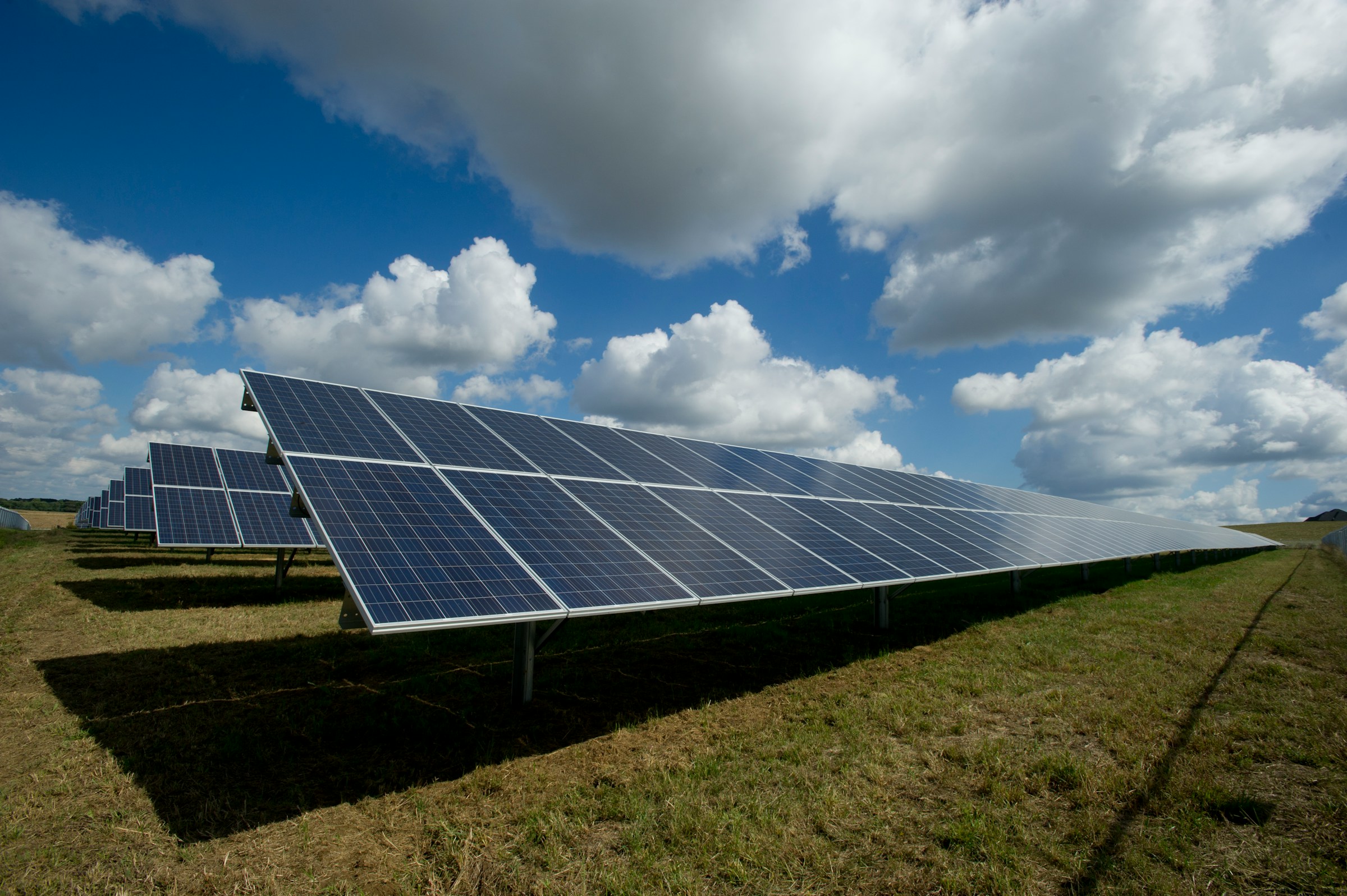
Econergy Renewable Energy has connected its 59MW Iancu Jianu photovoltaic project in Romania to the grid and begun ramping up electricity production, while progressing a co-located 35MW/70MWh battery targeted for connection in 2027. The storage system would give the site two hours of energy capacity at its full 35MW output.
Iancu Jianu is the latest Romanian solar project in Econergy’s portfolio to move from construction into grid operation. The planned battery would add a controllable asset to a generation plant whose output is otherwise determined by irradiation, allowing the operator to manage part of the project’s energy across different periods rather than exporting every available megawatt immediately.
The 35MW/70MWh configuration points towards short-duration flexibility rather than long-term energy security. At rated output the battery could discharge for approximately two hours, making it suitable for shifting solar generation between neighbouring periods, responding to balancing requirements, and exploiting short-duration price differences where the market and connection agreement permit.
Its effect on the grid connection may prove equally important. New renewable projects increasingly face limits not in the availability of panels or inverters but in the capacity of substations and networks to accept additional generation. A co-located battery can absorb energy when the solar plant would otherwise be exporting strongly and release it later, potentially making better use of a connection whose maximum transfer capability remains fixed.
That benefit depends heavily on plant controls. The solar inverters, battery power-conversion system, meters, protection equipment, and supervisory controller have to coordinate charging and export limits without creating conflicting operating states. Market optimisation adds another layer because the battery may be required to preserve headroom for balancing services even when an immediate wholesale-price opportunity appears attractive.
Battery operation also carries a physical cost. Charging and discharging introduce conversion losses, while repeated cycling consumes part of the cells’ usable life. The commercial controller therefore has to decide when a market opportunity is valuable enough to justify degradation, efficiency losses, and the possibility that stored energy may be worth more later.
Romania’s rapidly expanding renewable fleet makes those decisions more relevant. Large volumes of new solar and wind capacity are being developed against a network that must accommodate greater power flows from inverter-based generation. Reactive-power capability, protection settings, forecasting, balancing, and network reinforcement all become more significant as conventional generators operate for fewer hours and renewable output becomes a larger share of instantaneous supply.
A battery can provide some of that flexibility but cannot solve structural network constraints on its own. A 70MWh system is capable of moving a limited block of energy between periods; it cannot replace a new transmission circuit or cover prolonged low-renewable conditions. Its value lies in increasing the controllability of a specific grid-connected asset and participating in shorter-duration system needs.
The project also illustrates how storage is becoming integrated into renewable portfolios after the original solar connection is secured. Developers that control a viable grid connection can add new commercial options by placing a battery behind the same interface, provided protection, metering, and connection rules allow the combined plant to operate as intended.
That approach can be quicker than securing an entirely new connection for a standalone asset, although it still requires network studies and revised control arrangements. Co-location also creates a direct relationship between the solar forecast and battery strategy: poor solar output may leave less energy available for charging, while exceptionally strong production may increase the value of absorbing generation that would otherwise face weak prices or export constraints.
Iancu Jianu has now crossed its first major operating threshold with the solar plant connected and ramping up. The next stage will be to establish reliable generation performance before integrating another substantial power-electronic asset into the same site. If the 35MW/70MWh battery connects in the second quarter of 2027 as planned, the project will move from a standalone photovoltaic generator to a hybrid plant capable of shaping part of its output around market and system conditions.
That progression is increasingly typical of mature solar markets. Building photovoltaic capacity remains comparatively straightforward; making successive gigawatts of solar easier for the network to absorb is becoming the harder engineering task. At Iancu Jianu, the planned battery is intended to address that second problem without changing the fact that the site’s underlying energy source remains weather-dependent.

