IN Brief:
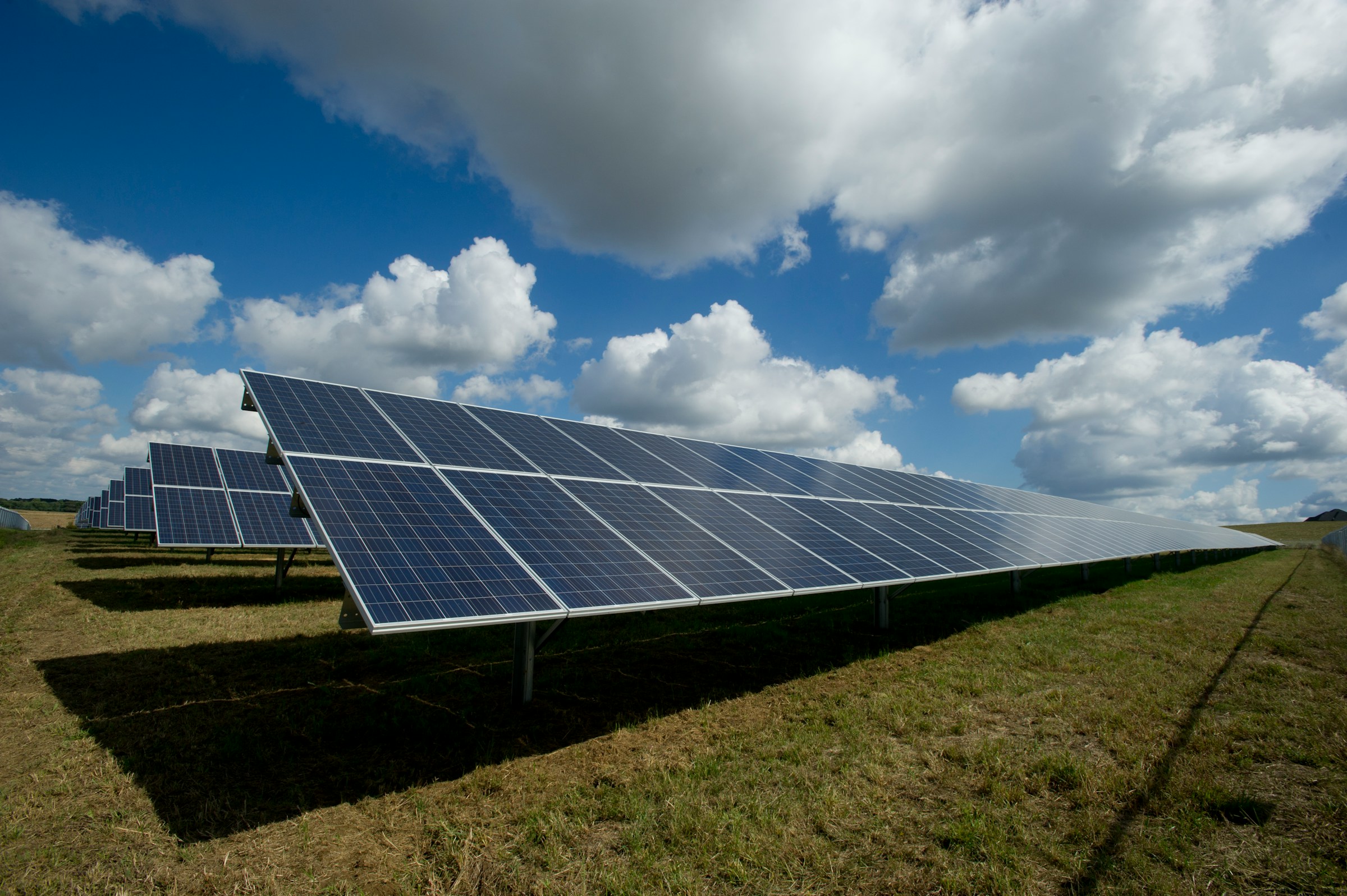
- A 5MWh battery has entered commercial operation alongside 1.8MW of solar at Pavlina Memorial Energy Park.
- The installation is reported as the first utility battery participating commercially in Cyprus’ electricity market.
- A wider 231MW/570MWh standalone storage pipeline is already progressing through preliminary connection arrangements.
Petrolina Electric has brought a 5MWh battery energy storage system into commercial operation in Cyprus, pairing the installation with 1.8MW of photovoltaic generation at the Pavlina Memorial Energy Park. The project is the first utility battery reported to be participating commercially in the Cypriot electricity market.
The battery entered commercial operation in July and has been developed without government subsidy. Its behind-the-meter configuration allows solar electricity to be stored and released later rather than requiring all available generation to be exported immediately. The project is small beside the largest European batteries, but it enters service as Cyprus faces increasing curtailment of renewable generation.
Renewable curtailment reached 162GWh between January and May 2026, equivalent to more than 65% of potential solar generation over that period. The figures illustrate the mismatch that can emerge when photovoltaic capacity grows faster than storage, network flexibility and the ability of the system to absorb midday output.
A 5MWh battery cannot alter the island’s overall energy balance materially on its own. It can, however, change the operating behaviour of the connected solar plant. Energy produced during periods of weak export value can be held for later discharge, subject to the battery’s power rating, state of charge, conversion efficiency and connection arrangements.
Island systems have fewer external balancing options than heavily interconnected continental markets. Cyprus must meet a larger share of short-term flexibility requirements domestically through conventional generation, demand response, storage, network operation and, in future, greater interconnection. Batteries add fast controllable power but remain limited by their stored energy, so they complement rather than replace the other resources.
The project also shows how deployment can be held back by market design even when the underlying storage technology is mature. A commercial battery needs licensing, connection terms, metering, dispatch rules and a revenue model as well as cells and inverters. Interest in Cypriot storage has grown quickly, while regulatory and network arrangements have had to catch up with the volume of proposed projects.
Behind-the-meter operation can simplify some interfaces but creates its own control decisions. If charging is centred on the co-located solar plant, the battery has to choose between immediate export and storing energy for later. Any access to wider market services adds more options, but also places additional demands on forecasting, cycling strategy and operating reserves.
Battery degradation puts a physical cost against every commercial dispatch. Repeated cycling reduces usable life over time, while conversion losses mean less energy is discharged than was originally stored. An optimiser must weigh those costs against avoided curtailment and later electricity value rather than assuming every possible charge-discharge cycle is worthwhile.
Cyprus already has a much larger storage pipeline behind the first operating asset. Earlier in 2026, the transmission system operator issued preliminary connection terms for eight standalone storage projects totalling 231MW/570MWh, with further applications under consideration. Those projects are on a different scale from Pavlina and would move storage from demonstration-scale commercial operation towards a material power-system resource.
The first installation will provide practical data on settlement, control, cycling and interaction with the local network before those larger schemes arrive. Operating experience is especially valuable where commercial rules are still developing, because connection studies and revenue models rely on assumptions that are easier to test once an actual battery is participating in the market.
Pavlina will not materially solve Cyprus’ curtailment problem on its own. Five megawatt-hours is far too small relative to the volume of renewable energy being constrained, while the island is preparing a much larger storage build-out. The project instead establishes an operating reference point for an unsubsidised battery participating commercially alongside solar generation.
Scaling from one small installation to hundreds of megawatt-hours will also change the network study assumptions. Charging behaviour, coincident dispatch and local transformer loading become more important when several storage plants respond to the same market signal, particularly around periods of high solar production.
If the 231MW/570MWh pipeline progresses, the operational questions become more demanding. Network operators will need to understand how multiple batteries behave during the same price and frequency events, whether charging creates new local peaks and how much flexibility remains available when solar output is already high. Pavlina is the first small operating reference point in that process, not the finished answer.