
IN Brief:
- Enoch Hill comprises 15 Nordex turbines with a maximum installed capacity of 70MW.
- Construction began in June 2023, first electricity followed in April 2026, and turbine commissioning finished in May.
- Enoch Hill and Camster II have added a combined 106MW to RWE’s Scottish onshore portfolio during 2026.
RWE has completed construction at its 70MW Enoch Hill onshore wind farm near New Cumnock in East Ayrshire, closing a build that started in June 2023 and reached first electricity in April this year.
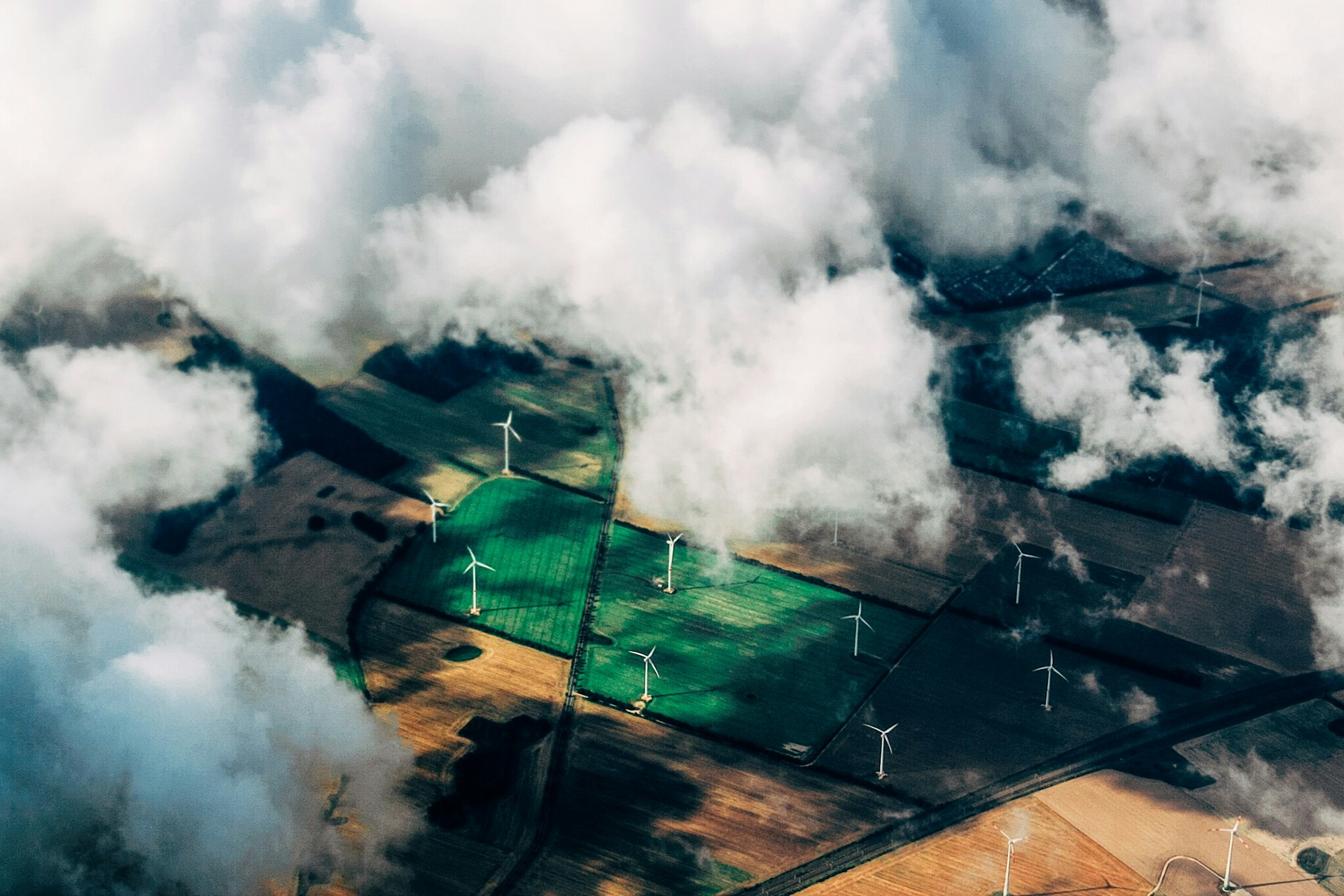
The project comprises 15 Nordex turbines using a mixture of N133/4.8 and N117/3600 machines. Turbine commissioning was completed in May, with RWE now confirming the end of the wider construction programme after the remaining civil and electrical work was finished.
The distinction between first electricity, turbine commissioning, and construction completion matters. A wind farm can begin generating before every contractor has left site, while final reinstatement, minor civil works, electrical close-out, documentation, and other completion activity may continue after the main generating equipment is operational.
Enoch Hill was consented in September 2019, giving the project a lengthy development period before construction began. The build itself then extended for almost three years, reflecting the amount of infrastructure required around 15 turbines before they can operate as one connected generating plant.
Foundations and turbine erection are the most visible elements, but onshore wind construction also involves access roads, crane pads, drainage, internal electrical cables, communications, transformers, switchgear, protection, and the works needed to connect the complete site to the wider network.
At Enoch Hill, grid connection became a particularly important programme issue. RWE’s earlier project updates record that a planned connection had been delayed before the wind farm was finally connected on 16 April 2026, allowing final testing and commissioning to proceed.
That sequence illustrates the difference between completing generating equipment and having an electrical route through which it can operate. Turbines can be mechanically assembled and substantial site works finished while the project remains unable to complete its commissioning programme until the external connection is available.
The site uses more than one turbine type, with Nordex N133/4.8 and N117/3600 machines forming the 15-turbine array. Mixed configurations can reflect the permitted design envelope and site-specific requirements, although RWE has not attributed the Enoch Hill mix to one particular engineering constraint.
RWE says the project is capable of generating electricity equivalent to the annual consumption of around 68,000 typical UK homes. Household-equivalent figures provide a familiar scale, but the operating performance of the asset will ultimately be measured in generation, availability, losses, maintenance, and how closely actual output follows the site’s expected wind resource.
Construction completion moves those measures to the foreground. Turbine condition-monitoring systems continuously collect information on temperatures, vibration, power production, alarms, and component behaviour, allowing maintenance teams to identify deterioration and intervene before some faults develop into lengthy outages.
The electrical balance of plant requires similar attention. Transformers, switchgear, protection, cables, and communications remain essential throughout the operating life, and a failure outside the turbine itself can remove one machine or a larger section of the wind farm from service.
Operations teams also have to manage the consequences of the site’s exposure. Blades, bearings, pitch systems, yaw equipment, converters, transformers, and other components operate through repeated mechanical loading, moisture, changing temperatures, and high winds. Scheduled inspection and access planning become especially important where severe weather can make turbine work difficult precisely when the wind resource is strongest.
Enoch Hill follows RWE’s completion of the Camster II wind farm in Caithness earlier this year. The two developments have added a combined 106MW of new onshore wind capacity during 2026, while RWE says its operating Scottish onshore portfolio now comprises nine wind farms with maximum installed capacity of 229MW.
The construction programme also directed a significant proportion of spending into the surrounding area. RWE reports that more than 38% of principal contractor Farrans’ construction expenditure went to suppliers within 20 miles of the site and a further 23% to suppliers within 50 miles. It says 68% of subcontracts were awarded to local suppliers.
Those figures are relevant to the industrial argument around onshore wind because a generating project is also a civil-engineering, electrical, logistics, and maintenance programme. Turbines may be globally sourced pieces of capital equipment, but roads, concrete, transport support, electrical installation, accommodation, plant hire, and numerous site services can create work much closer to the development.
The end of construction also activates the longer operating relationship with the local area. Enoch Hill has a £10.5 million community fund, initially focused on New Cumnock, alongside business rates and potential local opportunities associated with operations and maintenance.
For RWE, however, the next phase is defined by asset performance rather than construction spend. The turbines have been commissioned, the connection is live, and the site has already generated electricity; completing construction removes the remaining project-delivery activity from the critical path.
Enoch Hill will now be judged by considerably less ceremonial numbers: megawatt-hours produced, faults avoided, maintenance completed, and availability maintained. After almost seven years between consent and final construction completion, those operating figures are the ones that determine what the 70MW project actually contributes to Scotland’s power system.

