IN Brief:
- Emergency river engineering raised cooling-water levels around Cernavoda by about four centimetres and extended operation by an estimated nine days.
- One of Romania's two nuclear reactors is already offline as exceptionally low Danube levels constrain cooling-water availability.
- Further dredging is continuing while the power system retains emergency measures for reserves, exports, and industrial demand.
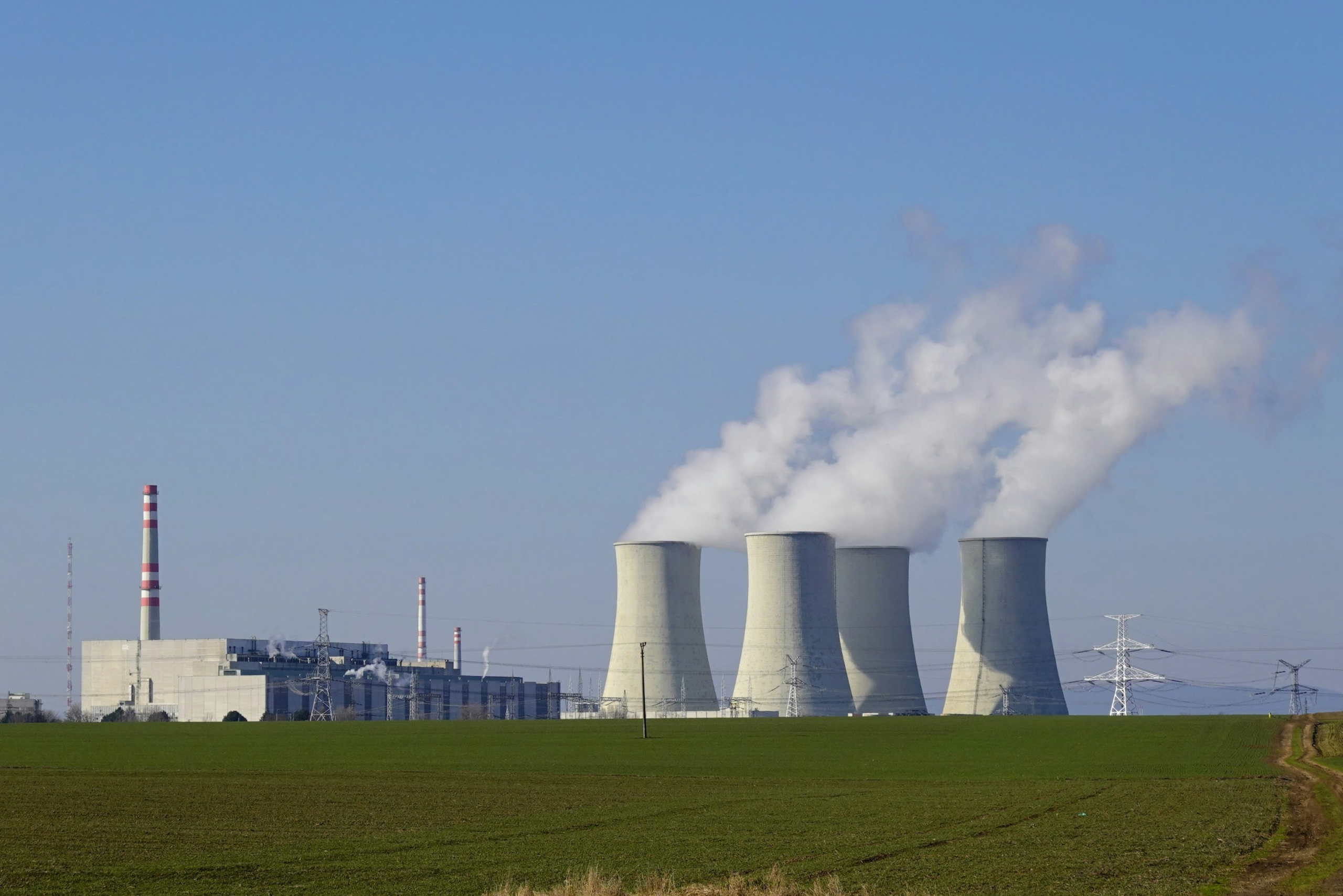
Nuclearelectrica is continuing to operate one of Cernavoda’s two nuclear reactors after emergency works redirected additional Danube water towards the plant as record-low river levels tightened cooling-water availability.
Romanian authorities dredged the riverbed, removed a rock obstruction, and sank four rock-filled barges to form a temporary dike that increased water levels around the operating unit by about four centimetres. The intervention was estimated to provide roughly nine additional days of operation while further dredging continued.
One reactor is already offline because of the low river level, leaving the remaining unit with greater importance for national generation. Cernavoda normally supplies about one fifth of Romania’s electricity through two operating CANDU reactors, so the loss of one unit removes a sizeable block of firm generation at a time when hydropower output is also under pressure from dry conditions.
The immediate problem is not inside the nuclear primary circuit. Cernavoda draws large volumes of cooling water from the Danube system for the conventional side of the plant, including the turbine condensers, before returning most of that water to the river. Sustained low flow can therefore constrain an otherwise available reactor because the wider balance of plant cannot reject heat within its normal operating envelope.
That dependence makes river conditions an operational parameter for the station rather than an environmental issue sitting outside the generating process. Thermal stations require heat rejection whether the heat source is nuclear fuel, gas, coal, biomass, or another process, and cooling-water availability can become a limiting factor when temperatures rise or river levels fall far enough.
Romania’s state water authorities expect the Danube to remain exceptionally low over the near term, while levels around Cernavoda are forecast to continue falling. The government has allocated additional funding for dredging on the branch serving the station, extending the physical measures already taken around the intake area.
The timing is difficult for the wider power system. Low river flows can reduce hydroelectric production at the same time as nuclear output is constrained, while high summer temperatures can increase electricity demand and raise cooling requirements across the generating fleet. Those conditions narrow the margin available to system operators even before unplanned faults or transmission constraints are considered.
Romania has already introduced a temporary emergency framework that gives transmission system operator Transelectrica additional options if supply conditions deteriorate. The measures include a staged demand-control mechanism that can progress from reserve activation and export restrictions to compulsory reductions by specified large industrial consumers.
The combination is unusual but technically coherent: river engineering is being used to preserve a generating unit, while electrical-system measures remain available if the physical intervention cannot maintain enough supply. Dredgers, barges, cooling-water intakes, reserve generation, interconnectors, and industrial demand all become part of the same resilience problem when a large power station approaches an environmental operating limit.
The episode also exposes the difference between installed capacity and dependable capacity. Nuclear units can provide high output over long operating periods, but that output still depends on cooling systems, pumps, condensers, auxiliary electrical supplies, transmission connections, and the environmental conditions assumed when the plant was designed.
Those dependencies are receiving greater attention as weather extremes test infrastructure built around historic temperature and river-flow ranges. Operators can strengthen intake arrangements, increase monitoring, modify operating procedures, or invest in alternative cooling configurations, but each option has engineering, regulatory, and environmental consequences.
Unlike an unplanned reactor fault, a hydrological constraint can deteriorate gradually while remaining difficult to reverse locally. That gives operators and system planners some warning, but the available remedies are limited by river geometry, environmental approvals, dredging capacity, and the rate at which upstream conditions change. The nine-day extension therefore has value chiefly because it creates additional planning time rather than because it guarantees continued generation through the rest of the dry period.
At Cernavoda, the current response is necessarily more immediate. The four-centimetre increase achieved around the operating reactor provides additional margin, but it does not reverse the underlying hydrological trend, and the plant remains dependent on continued management of the river channel while forecasts stay weak.
Further deterioration would push more of the burden onto the electricity system itself through imports, reserves, demand reduction, or replacement generation. For now, the temporary dike and dredging have kept one reactor running, buying several days for a power system in which the Danube has become as important an operating constraint as any piece of electrical equipment inside the station.