
IN Brief:
- The Crown Estate agreement secures seabed rights for two 100MW floating wind projects.
- Llŷr 1 and Llŷr 2 will test different foundation, mooring, cable, and delivery systems.
- The projects could provide operating evidence for larger Celtic Sea developments.
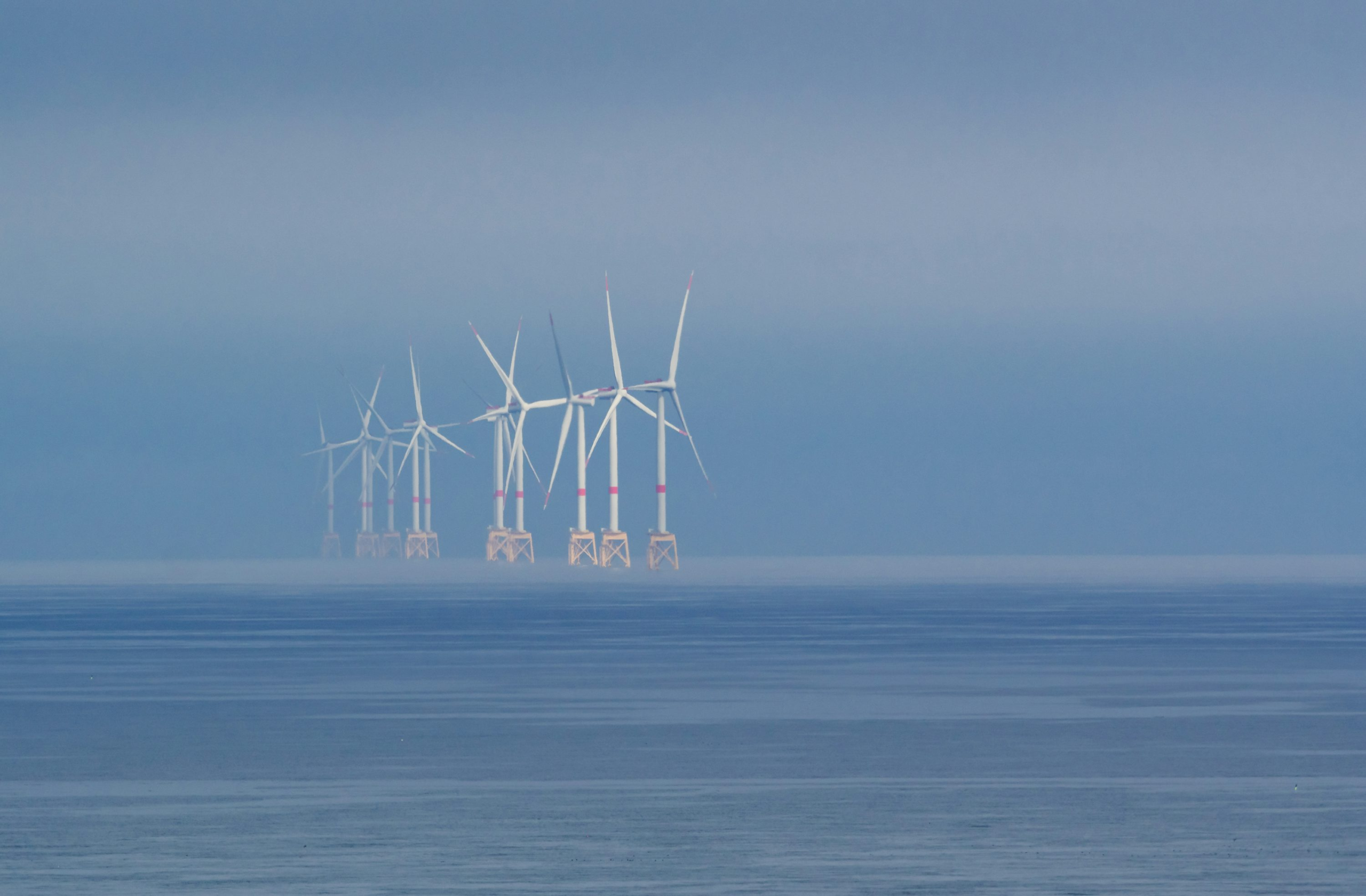
Cierco Energy has signed an Agreement for Lease with The Crown Estate for the Llŷr 1 and Llŷr 2 floating wind projects in the Celtic Sea. The agreement secures seabed rights for two separate 100MW test and demonstration sites off the Pembrokeshire coast.
Each project is intended to test a different combination of floating foundation, mooring, dynamic cable, and construction technology. Cierco positions the pair as a bridge between small demonstrations and future commercial arrays, allowing equipment and delivery methods to be assessed at a scale closer to full offshore wind projects.
The Crown Estate has placed the sites approximately 42km south of Milford Haven. Both qualified through its offshore wind test and demonstration opportunity, which supports technologies that have not yet reached standard commercial deployment. The lease agreement is a material development right, but it is not final construction consent or an investment decision.
Llŷr 1 has already entered the consenting process through applications submitted to Welsh Ministers under Section 36 of the Electricity Act, accompanied by environmental documentation. Seabed rights allow development to continue, while environmental assessment, grid arrangements, financing, procurement, and final investment decisions remain separate stages.
Floating wind changes the foundation and mooring system without reducing the need for conventional offshore electrical infrastructure. Turbines stand on buoyant structures held by anchors and mooring lines, while dynamic array and export cables must accommodate movement between the platform and seabed. A successful foundation design can still be undermined by cable fatigue, installation difficulty, or inaccessible maintenance requirements.
The two-project structure gives Cierco an opportunity to compare different technologies under similar regional conditions. Final equipment choices remain subject to development, but the programme is designed around distinct solutions rather than two identical arrays. That should produce evidence on fabrication, tow-out, mooring installation, cable behaviour, commissioning, and maintenance across more than one design route.
A 100MW project is large enough to expose constraints that do not appear in single-turbine trials. Multiple units require repeated fabrication, quality control, offshore logistics, export infrastructure, protection systems, and a credible operating strategy. Suppliers must deliver components consistently rather than prove that one prototype can function under supervised conditions.
Ports are central to that industrial model. Floating projects can move more turbine integration and heavy assembly ashore than fixed-bottom wind farms, but the approach requires deep water, suitable quays, heavy-lift capacity, laydown areas, wet storage, and an unobstructed tow-out route. Llŷr can test whether the regional port system can support those activities at commercial scale.
South-west Wales is also central to the supply-chain argument. Cierco has linked the projects to offshore fabrication, engineering, advanced manufacturing, and export opportunities, while The Crown Estate has presented floating wind as a route to longer-term economic activity. Those benefits depend on procurement decisions, competitive local capability, and investment in ports and skills; seabed rights do not allocate contracts.
Electrical design creates another major interface. Dynamic cables must withstand platform movement, while array cables, export circuits, offshore joints, landfalls, and onshore connections must meet the same reliability expectations applied to conventional power assets. Monitoring will be important because movement, water ingress, thermal loading, and fatigue can create expensive failure modes offshore.
The projects must also establish a workable maintenance strategy. Floating platforms can, in principle, be disconnected and returned to port for major repairs, but tow-to-port maintenance is not automatically economical once moorings, cables, weather windows, and replacement logistics are included. Llŷr can provide evidence on which interventions should be carried out offshore and which justify returning a unit to harbour.
Grid connection and revenue support remain decisive. A technically successful demonstrator still needs an economic route to market, a connection that can accept its output, and financing that reflects construction and operating risk. These conditions will determine whether the projects proceed at the stated capacity and timetable.
Cierco estimates that the two sites could together generate electricity equivalent to the needs of up to 200,000 homes. Their wider value, however, will be the engineering record they create for foundation manufacture, anchor installation, cable life, turbine access, insurance, and whole-life cost. Commercial floating wind needs repeatable evidence across those areas before multi-gigawatt pipelines can move from leasing rounds into dependable construction programmes.
The Agreement for Lease gives Llŷr a defined seabed on which to build that evidence. Consent, financing, port readiness, supply-chain contracts, and final technology selection remain ahead. The projects will earn their demonstration status only when the chosen systems are installed, connected, and producing operating data in the Celtic Sea.

