
IN Brief:
- Renewables provided 52.1% of UK electricity generation during 2025.
- Renewable output reached a record 153TWh, led by 86.4TWh of wind.
- Fossil fuels supplied 32.3%, while nuclear generation fell by 12%.
The Department for Energy Security and Net Zero has recorded renewable energy as supplying 52.1% of UK electricity generation during 2025.
Published in the annual Digest of UK Energy Statistics, the figure marks the second consecutive year in which renewable sources generated more than half of the country’s electricity.
Renewable output reached a record 153TWh, compared with 144.5TWh during 2024, while total UK electricity generation stood at 293.5TWh.
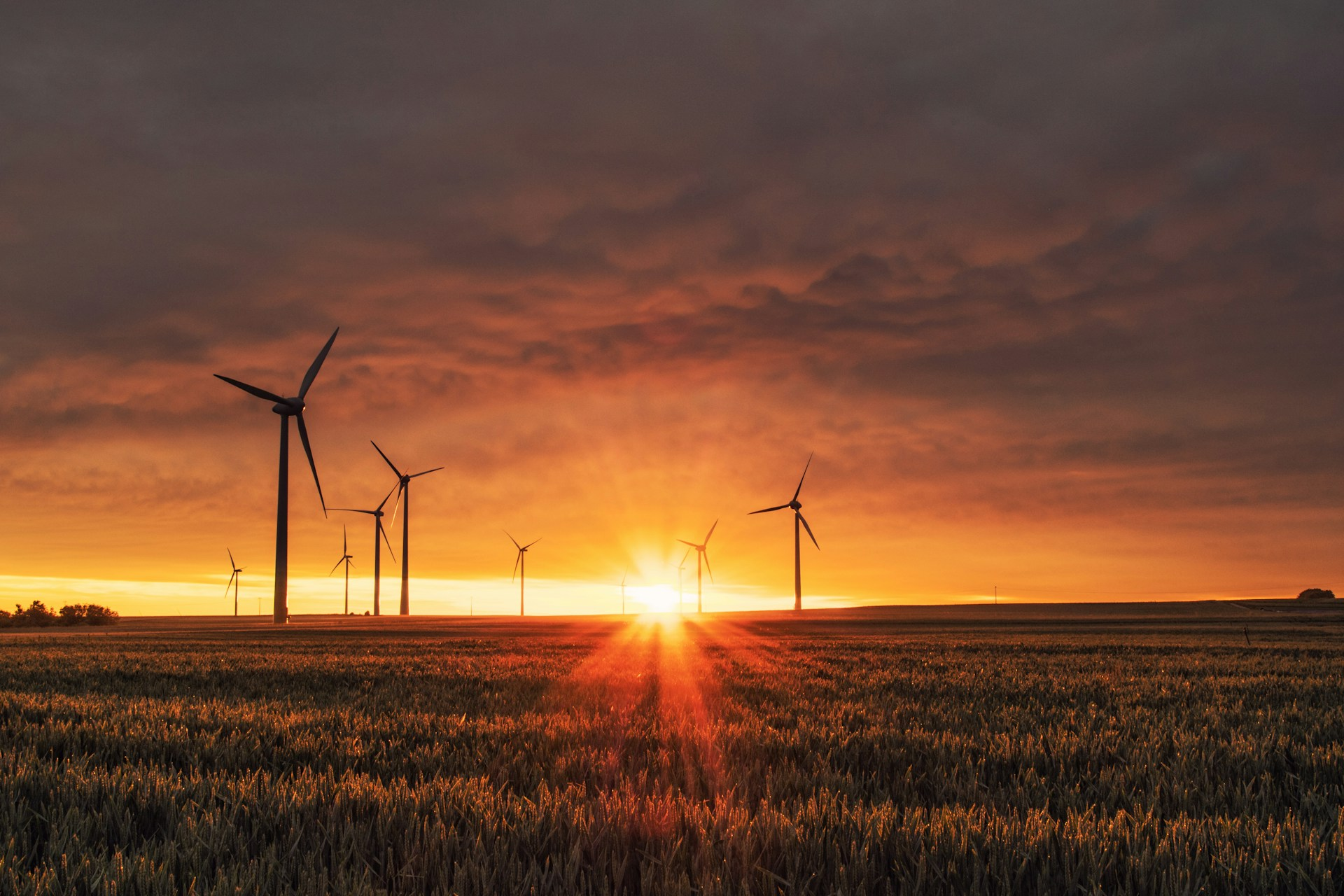
Wind remained the largest renewable source, producing 86.4TWh and accounting for 29.5% of UK generation. It supplied 56.5% of all renewable electricity.
Offshore wind generated 52TWh, equivalent to 17.7% of total electricity and approximately 60% of wind output. Its generation was roughly three times the level recorded ten years earlier.
Onshore wind supplied 34.4TWh, or 11.7% of total generation. Its percentage contribution fell slightly from 12.2% during 2024 despite remaining a substantial source of renewable output.
Solar generation reached a record 20.1TWh and supplied 6.9% of electricity, compared with 15TWh and 5.2% a year earlier. Additional installed capacity and exceptionally strong sunshine contributed to the increase.
Fossil fuels generated 94.9TWh and supplied 32.3% of electricity. Gas accounted for 93.2TWh, or 31.75%, while coal had already left the generation mix following closure of the final coal fired power station in 2024.
Nuclear output fell by 12%, from 40.6TWh in 2024 to 35.9TWh in 2025. Its share declined from 14.2% to 12.2% as older stations underwent outages or approached retirement.
Combined renewable and nuclear generation supplied 64.3% of electricity. The increase in renewable output largely offset the reduction in nuclear production.
Annual output increases dependence on network flexibility
The figures describe annual energy production rather than the instantaneous balance of the power system. Renewable output can exceed demand or transmission capacity during some periods while remaining low during others.
Wind generation is concentrated geographically, particularly around Scotland, the North Sea, and coastal transmission landing points. Electricity must move from those areas towards major demand centres through a network whose expansion has not always matched the pace of generation development.
During constrained periods, the system operator may reduce renewable output and increase generation or demand response elsewhere. The energy is available, but the network cannot transport it securely through the required boundary at that time.
Existing limits and reinforcement outages are expected to contribute to constraint management costs of approximately £3.2 billion in the year to July 2027.
Storage can absorb part of the surplus, although location and duration determine its usefulness. A battery behind a constrained boundary may reduce curtailment, while an identical system elsewhere may provide balancing services without relieving that particular restriction.
Interconnectors, flexible demand, forecasting, and market reform can improve utilisation, but none removes the requirement for new circuits, substations, transformers, protection systems, and control infrastructure where the underlying transfer shortfall is structural.
The rising solar contribution also changes daily operating patterns. Strong midday production can reduce demand seen by the transmission system before output declines towards evening, increasing the value of flexible generation, storage, interconnection, and controlled demand.
Solar growth extends deeply into distribution networks, where output may reverse traditional power flows. Voltage control, transformer loading, protection coordination, export limits, and visibility of embedded generation become more significant as local capacity increases.
Wind and solar connect through power electronics rather than synchronous machines, changing the provision of inertia, fault current, voltage support, and system restoration capability as their share rises.
Grid forming converters, synchronous condensers, batteries, and revised connection standards are being developed to provide services historically supplied as inherent characteristics of conventional generation. Procurement arrangements must give asset owners a viable route to provide those functions.
Gas remained responsible for almost all fossil fuel generation and continues to supply flexible output during periods of lower renewable production. Reducing annual gas generation does not automatically remove the requirement for dependable capacity during prolonged low wind conditions or periods of high demand.
The fall in nuclear output adds to that challenge because nuclear stations provide large volumes of steady generation alongside several system characteristics. Replacement capacity must account for energy, peak adequacy, location, and electrical behaviour rather than annual terawatt hours alone.
The latest annual figures confirm that renewable generation has moved beyond a minority role. More than half of UK electricity now comes from sources whose output and connection characteristics require a more flexible, better reinforced, and increasingly automated power system.
Further growth will depend on networks, storage, controls, and market arrangements using that output without creating excessive curtailment or weakening resilience during periods when renewable production falls.

