IN Brief:
- GE Vernova is adding 14.5MW of solar and 40MWh of storage.
- The installation follows completion of a 2MW solar carport.
- Wider investment covers turbine-component production, repair, machining, and coatings.
GE Vernova is installing 14.5MW of solar generation and a 40MWh battery energy storage system at its gas-turbine component manufacturing and repair facility in Veresegyház, Hungary.
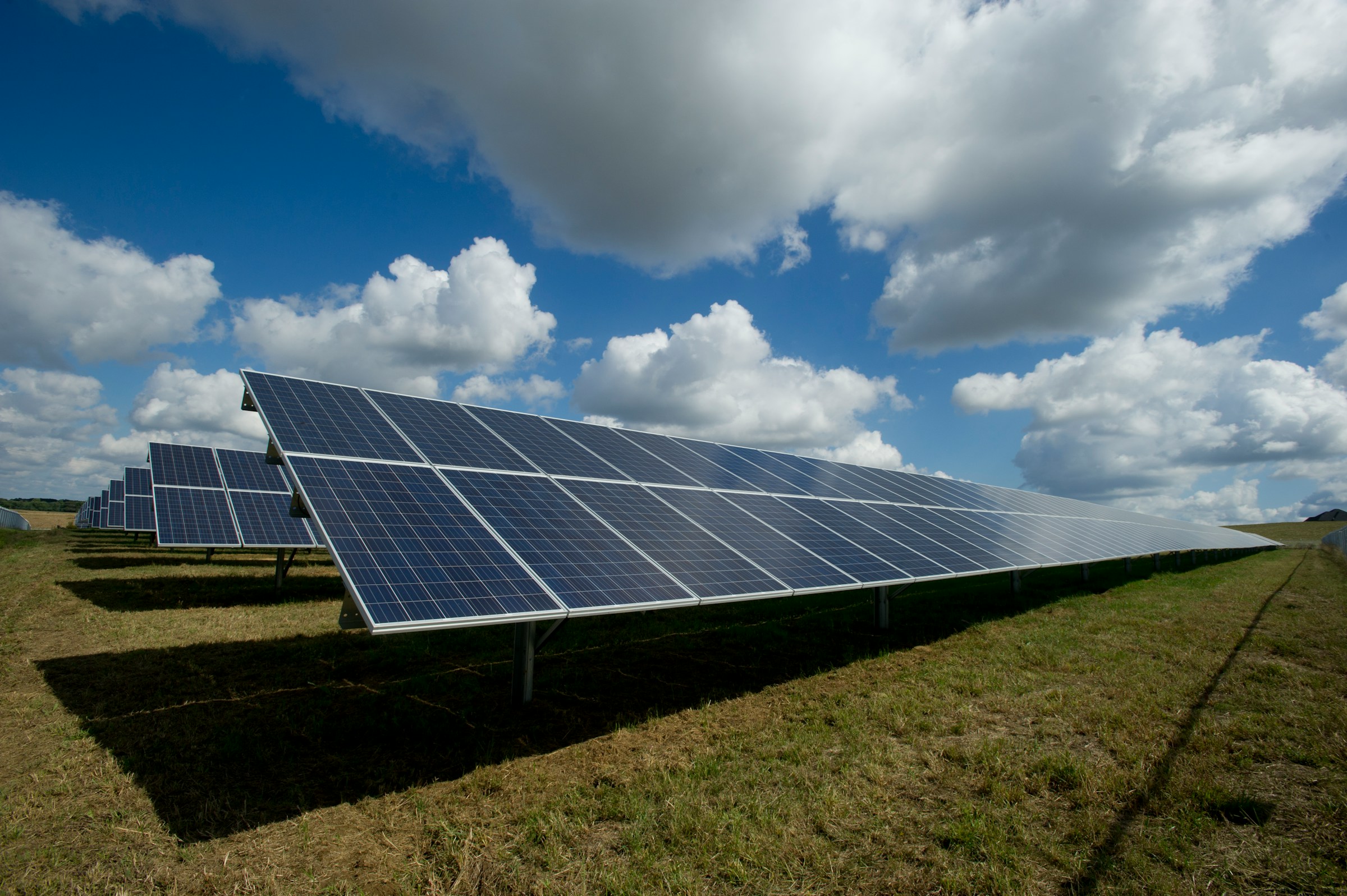
Using more than 21,000 photovoltaic modules across an area exceeding 15 hectares, the second phase is scheduled for connection in autumn 2026. It follows completion of a 2MW solar carport covering more than 500 parking spaces.
Once the additional solar and storage system enters operation, the installation is expected to supply almost half of the site’s current annual electricity requirement of approximately 33GWh. The battery will provide local storage alongside the expanded renewable generation.
Veresegyház is GE Vernova’s largest Gas Power manufacturing and repair base outside the United States, producing and servicing components used in gas turbines. Operations include robotic welding, precision machining, thermal coating, and specialist repair work.
A wider manufacturing upgrade, supported by an earlier $24.5m investment, is adding lean production lines, precision machinery, coating booths, and vacuum furnaces. Around 100 employees were recruited during the previous year, with up to 80 further roles planned.
Electrical infrastructure becomes part of factory expansion
Because new production equipment will increase electrical demand, the solar and battery project is being integrated with the site’s industrial development rather than treated as a separate estate improvement. Machine tools, welding systems, furnaces, ventilation, compressed air, and environmental controls create substantial and varied load profiles.
On-site generation can offset part of that demand during daylight hours, while storage creates additional options for controlling the timing of grid imports and solar output. The operating strategy will depend on plant consumption, electricity prices, battery limits, connection arrangements, and the controls coordinating generation, storage, and manufacturing loads.
Delivering a project of this scale requires far more than module installation. Inverters, transformers, medium-voltage switchgear, protection, earthing, metering, fire systems, communications, and supervisory controls must be integrated with an operational industrial network.
Construction and energisation will also need to proceed around existing production activities. Planned outages, temporary supplies, cable routing, and commissioning must be coordinated so that manufacturing disruption remains within acceptable limits.
Hungary’s battery market is expanding at both industrial and grid scale, with the 99.8MW/288.6MWh Greenvolt Power system at Buj adding transmission-level storage alongside behind-the-meter projects such as Veresegyház.
Manufacturing and energy systems converge
Large industrial sites are increasingly treating energy infrastructure as part of the production system rather than as a fixed external utility. Electrification, volatile power prices, network constraints, and decarbonisation targets are encouraging investment in generation, storage, flexible loads, and digital energy management.
The benefits depend on matching each technology to the site’s load profile. Solar can provide substantial annual energy but cannot directly supply night shifts or periods of low irradiation, while a battery can alter timing without creating additional generation.
Duration and cycling strategy will determine how much of the plant’s demand the battery can cover. Frequent peak reduction, solar shifting, resilience support, and market participation place different demands on state-of-charge management, degradation, warranties, and controls.
Gas-turbine manufacturing adds a further dimension because the site produces equipment associated with dispatchable generation while using renewable generation and storage within its own operations. That combination reflects a power system in which turbines, batteries, renewables, and digital controls increasingly operate together.
The expansion will also increase demand for skilled electrical specialists, technicians, machinists, coating teams, maintenance staff, and production engineers. Reliable power is therefore tied directly to production quality, equipment availability, and delivery schedules across the turbine business.
Once connected, Veresegyház will provide a substantial operating case study for industrial solar and storage. Its performance will be measured not only through annual solar output, but through the coordination of battery capacity, network imports, and complex manufacturing loads.