
IN Brief:
- The scheme covers eligible households within 500 metres of qualifying onshore transmission infrastructure.
- Transmission owners must identify eligible works and provide project, mapping, and construction information.
- Ofgem will administer payments funded through obligations placed on licensed electricity suppliers.
The Department for Energy Security and Net Zero has set out further operating details for Britain’s electricity transmission bill-discount scheme.
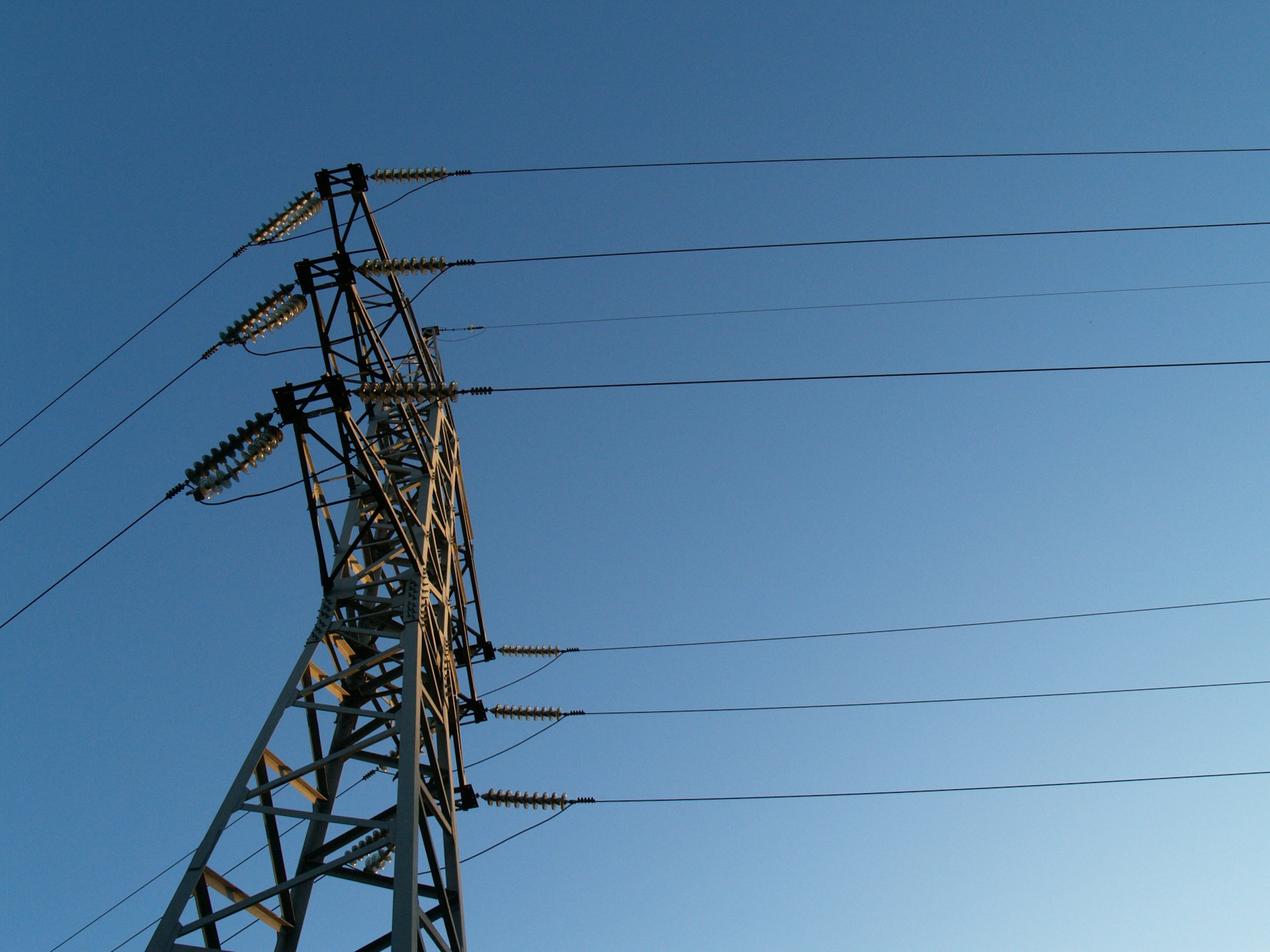
Eligible households within 500 metres of qualifying new or significantly upgraded above-ground onshore transmission infrastructure will be able to receive electricity-bill discounts of up to £250 annually for as many as ten years.
The scheme initially applies to qualifying works developed by licensed transmission owners where construction begins on or after 10 March 2025 and before 1 January 2040. Coverage extends across England, Scotland, and Wales, while secondary legislation is planned later in 2026, subject to parliamentary approval.
Ofgem will administer the scheme, with the first discounts intended to reach eligible households during the first half of 2027. Transmission owners will be responsible for identifying potentially qualifying infrastructure and supplying the project data needed to determine the eligible area.
Required information will include construction dates, asset type, route details, the consented limit of deviation, and other geographic data needed to map properties within the specified distance. Household eligibility will then depend on the final zone and the rules applying to each property and electricity account.
Different processes will cover recipients identified automatically and households required to opt into the programme. Traditional prepayment customers may receive vouchers, whereas other eligible accounts can be credited through normal supplier billing arrangements.
Community benefits become part of network delivery
Britain’s transmission programme requires extensive construction of overhead lines, substations, underground cables, and associated infrastructure to connect offshore wind, renewable generation, storage, and changing demand. The discount mechanism creates a standardised financial benefit for households closest to qualifying works.
Although planning consent and scheme administration remain separate, both will rely on consistent project information. Route changes, construction dates, asset classification, consent boundaries, and final design decisions may alter which properties fall within the eligible zone.
Transmission owners will need controlled datasets capable of supporting engineering delivery and payment administration at the same time. Geographic information systems, land records, construction programmes, and regulatory submissions must remain aligned as projects move from development through consent and into construction.
Ofgem’s earlier appointment to administer the programme established the central oversight arrangement. The updated design adds detail on network-owner duties, payment mechanisms, supplier reconciliation, and the information required to identify qualifying households.
Discounts will be funded through an obligation placed on licensed electricity suppliers, with contributions calculated principally by market share. Reconciliation arrangements will cover customer payments, administration costs, unredeemed vouchers, supplier defaults, and mutualisation.
Suppliers will need to retain evidence of payments and report customer numbers, credited amounts, voucher use, and administration expenditure. Where a supplier exits the market, the Supplier of Last Resort process will transfer relevant obligations to preserve continuity for eligible households.
The design creates operational interfaces between transmission owners, Ofgem, electricity suppliers, data providers, and customers. Errors in mapping, property matching, account information, or construction dates could delay payments or produce disputes, making data assurance a significant implementation requirement.
National Grid’s £70 billion investment plan indicates the scale of network development expected across transmission and distribution. As more projects enter construction, the volume of households and project records moving through the discount system is likely to increase.
The scheme does not alter planning, environmental, procurement, or construction obligations, but it replaces project-by-project approaches with a common framework linked directly to proximity. Its operation will depend on clear eligibility decisions and predictable administration across numerous network developments.
Transmission owners now have a firmer outline of the systems and internal responsibilities required before implementation. Secondary legislation, Ofgem’s administrative procedures, identification of eligible projects, and completion of the supporting datasets remain necessary before the first payments can begin in 2027.

