
IN Brief:
- Zenobē has acquired Bavaria-based sdp energie and its 1.75GW German battery development pipeline.
- Six proposed transmission-connected sites are intended to provide capacity, balancing, and system-stability services.
- Germany’s storage market is moving beyond energy arbitrage towards grid-forming and network-support functions.
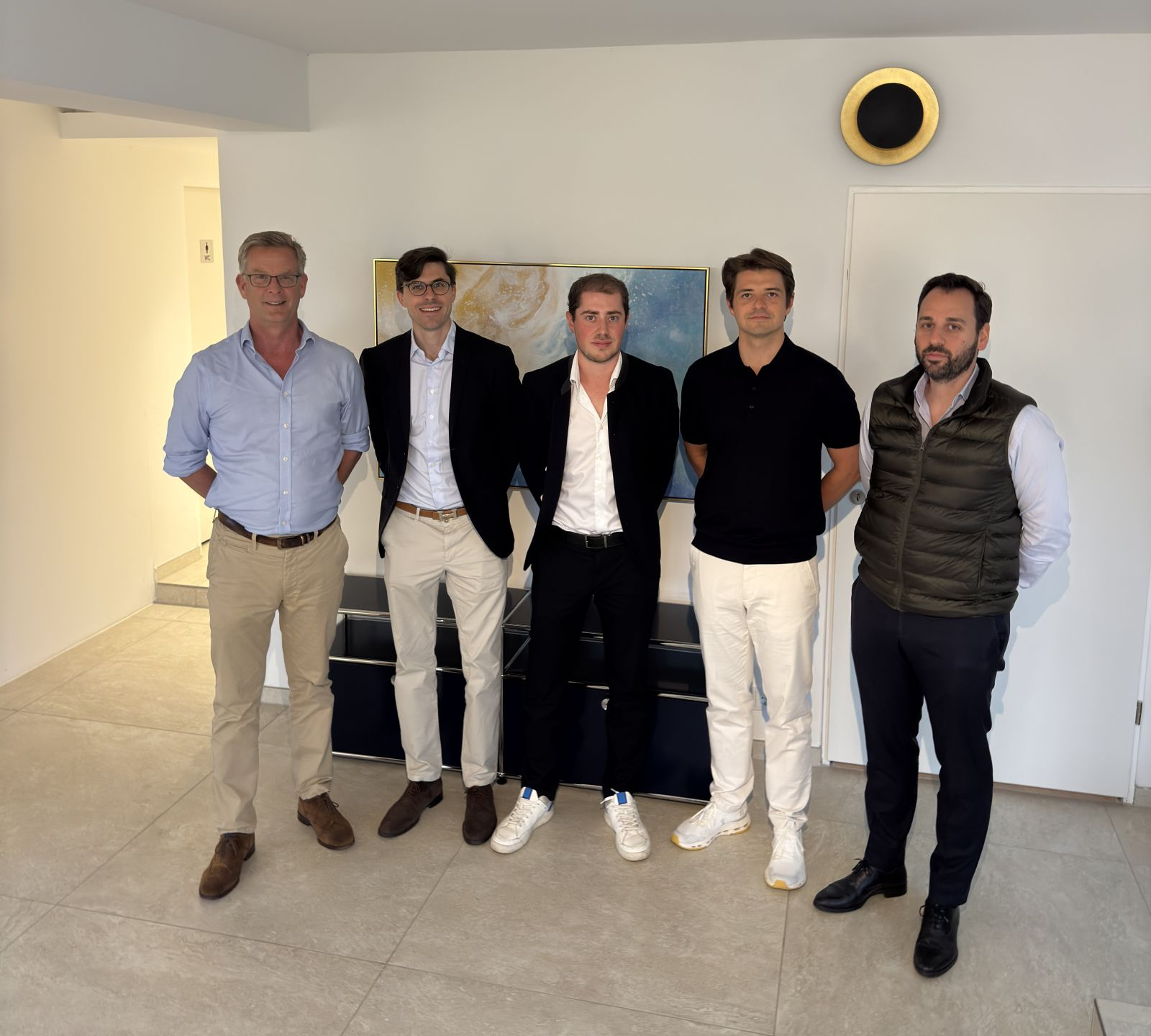
Zenobē has acquired German battery storage developer sdp energie, securing a 1.75GW pipeline of transmission-connected projects across six sites.
The acquisition gives Zenobē an established development platform in Germany rather than requiring the company to assemble a project pipeline from the beginning. Based in Bavaria, sdp energie has concentrated on large battery systems designed for direct connection to the transmission network, where they could serve energy, balancing, capacity, and system-stability markets.
By combining the German development team with its experience in financing, constructing, and operating large battery energy storage systems, Zenobē intends to progress the portfolio through connection, permitting, procurement, and investment decisions. Individual project capacities, connection dates, technology suppliers, and construction programmes have not been disclosed, while the six sites remain at different stages of development.
Transmission-connected batteries can perform a broader role than charging during low-price periods and discharging when wholesale prices rise. Depending on their inverter design and connection agreements, the projects could provide frequency response, reactive-power support, voltage control, reserve, congestion relief, and other services required by transmission system operators.
Where converters are configured for grid-forming operation, batteries may also reproduce some of the electrical characteristics historically supplied by synchronous generators. Synthetic inertia, controlled fault-current contribution, and black-start capability are becoming more relevant as conventional thermal plant operates less frequently and inverter-based generation supplies a larger share of electricity.
Storage moves towards core system operation
Germany’s continuing expansion of wind and solar generation is increasing the value of assets able to respond rapidly while shifting energy between periods of surplus and shortage. Although wholesale-price spreads remain part of the commercial case, transmission-level projects are increasingly designed around several revenue streams and technical functions rather than a single arbitrage strategy.
That operating model depends heavily on regulation. Grid charges, connection conditions, permitted charging arrangements, balancing-market access, and the availability of long-term service contracts can determine whether an otherwise viable site reaches financial close. Germany’s decision to preserve a grid-fee exemption for qualifying storage projects removed one source of uncertainty by reducing the risk that batteries would be charged as consumers when importing electricity and again when that electricity was exported.
Technical requirements are also becoming more demanding as transmission operators place greater emphasis on the behaviour of inverter-based resources during network faults and disturbances. Converter ratings, control settings, transformer design, protection coordination, harmonics, and reactive-power capability must all be aligned with the conditions at the connection point, while compliance models need to be supported by commissioning tests.
Zenobē has already applied a broader service model in Britain, including the financing of the four-hour Coalburn battery project in Scotland. Longer-duration installations can sustain output across extended balancing periods, although greater energy capacity raises capital cost and requires a revenue structure capable of supporting both the power and duration components of the system.
The German portfolio will require a market-specific approach rather than a direct copy of British projects. Germany operates different balancing products, congestion-management arrangements, connection procedures, and regional network conditions, while each site will need studies covering fault behaviour, voltage performance, reactive capability, harmonics, and possible reinforcement requirements.
Local permitting, land agreements, construction access, and equipment lead times will influence the order in which the projects advance. Large power transformers, high-voltage switchgear, power conversion systems, battery enclosures, and protection equipment remain exposed to constrained manufacturing capacity, particularly where several developments seek similar delivery dates.
With 1.75GW spread across six sites, the portfolio offers scope for standardised equipment specifications, controls, maintenance procedures, and procurement packages. Site-specific network conditions will nevertheless prevent complete replication, particularly where fault levels, substation arrangements, export limits, and system-service requirements differ.
The acquisition places Zenobē within one of Europe’s most closely watched storage markets at a point when batteries are moving from merchant flexibility towards routine participation in transmission-system operation. Converting the pipeline into operating capacity will depend on connection progress, market design, and the value assigned to services that support stability as well as energy balancing.

