
IN Brief:
- ScottishPower plans to increase Whitelee Windfarm from 539MW to approximately 1GW.
- The proposal replaces 215 turbines with 124 larger units and includes a new substation in East Renfrewshire.
- A planning application is expected by December 2027, with phased construction targeted between 2030 and 2035.
ScottishPower Renewables has submitted plans for a £1.5 billion repowering programme that would almost double the generating capacity of Whitelee Windfarm near Glasgow.
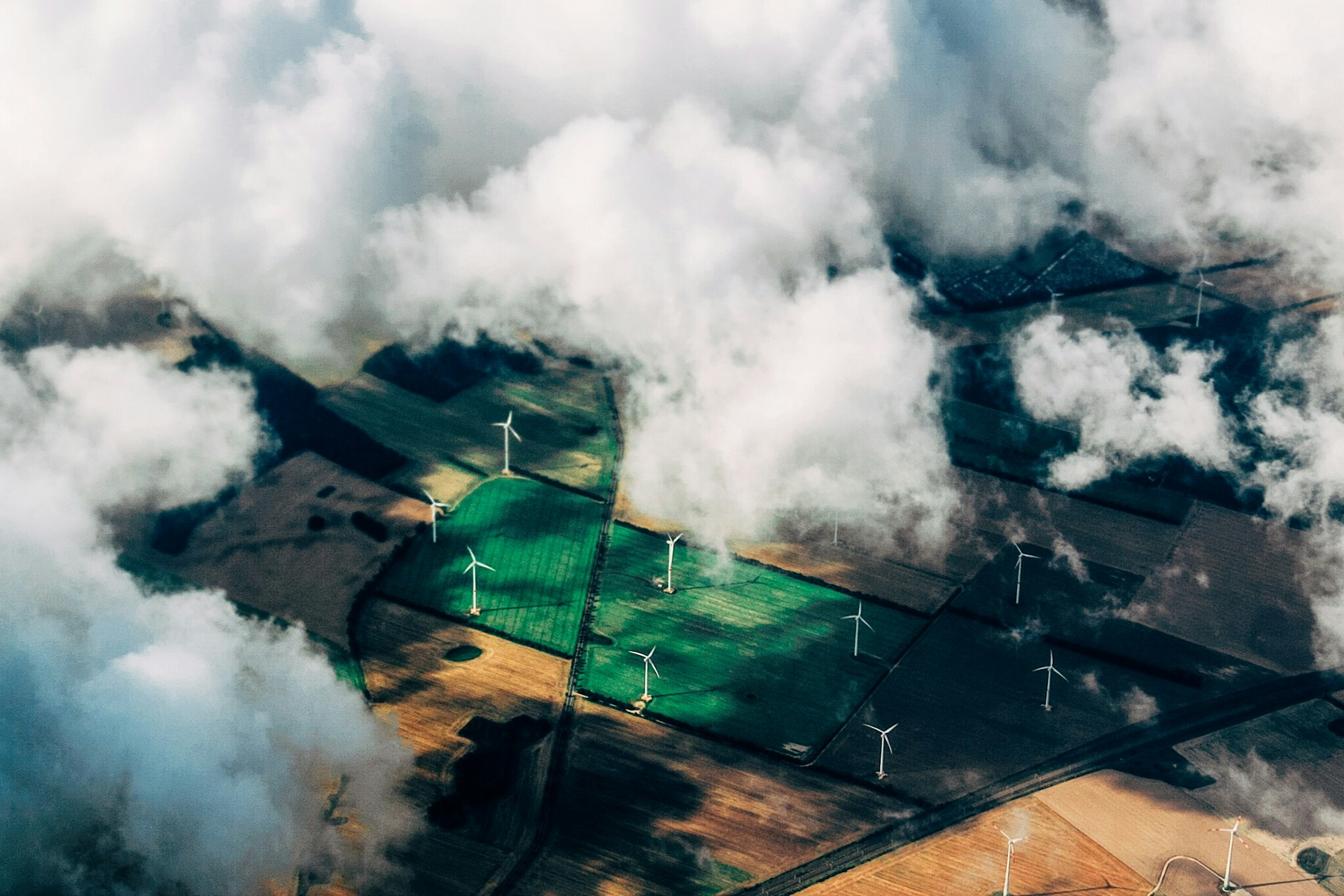
The proposal would replace 215 operating turbines with 124 larger machines and increase installed capacity from 539MW to approximately 1GW. Some of the new turbines could reach around 250 metres at blade tip, reflecting the scale now available for high-capacity onshore wind projects.
Whitelee extends across East Renfrewshire, East Ayrshire, and South Lanarkshire. Its original 140-turbine phase entered operation in 2008, followed by extensions adding 36 and 39 turbines.
Covering approximately 83km², the complete development remains the United Kingdom’s largest operating onshore wind farm. Its established roads, electrical infrastructure, land agreements, wind-resource data, and operating history provide the basis for the proposed renewal.
The repowering programme would proceed in three phases so electricity generation can continue while older turbines are removed and replacement equipment is installed. A new substation is planned in East Renfrewshire, alongside changes to internal electrical networks, access tracks, foundations, and crane areas.
Public access is expected to remain available where construction conditions permit, while the plans also include improvements to the visitor centre and continued recreational use across the site.
A planning application is expected by December 2027. Subject to consent, grid arrangements, procurement, and detailed design, construction could begin around 2030 and continue until 2035.
At full output, the repowered site is expected to generate electricity equivalent to the annual demand of approximately 650,000 homes. The lower turbine count will be offset by larger rotors, taller towers, higher individual ratings, and improved energy capture.
Repowering becomes a grid and lifecycle programme
Whitelee is approaching the stage at which many early large-scale wind assets require decisions on life extension, component replacement, or complete repowering. Continued operation beyond original design assumptions depends on inspection, structural assessment, component condition, maintenance history, and certification.
Repowering retains the value of an established site while replacing the principal generating equipment. Existing infrastructure cannot simply be carried forward without assessment, because new turbine ratings can alter circuit loading, fault contribution, reactive-power requirements, export capacity, foundation loads, and transport demands.
The proposed substation will sit at the centre of the electrical redesign. A 1GW wind farm requires collection circuits, transformers, switchgear, protection, metering, reactive-power equipment, communications, and plant controls capable of meeting current grid-code requirements.
Those systems must also support staged operation while old and new turbines coexist. Temporary configurations may involve different turbine technologies, control platforms, protection settings, and export limits operating through the same site.
Detailed switching plans and firm ownership boundaries will be needed as circuits are removed, modified, tested, and energised. Outage planning must maintain safe access for construction while preserving as much generation as the temporary electrical arrangements allow.
Fire, isolation, and asset-management risks can increase during repowering because dismantling, temporary storage, heavy lifting, construction traffic, and commissioning continue across an operating site. Recent examination of fire risk during wind-farm repowering has underlined the need to treat the transition as a distinct operating phase rather than an extension of normal maintenance.
The treatment of decommissioned equipment will form another substantial workstream. Blades, towers, nacelles, transformers, cables, oils, concrete, and electronic systems have different reuse, recovery, and disposal routes.
Removal plans will need to separate materials capable of returning to industrial supply chains from components requiring specialist processing. Storage areas, transport schedules, lifting plans, and environmental controls must accommodate dismantled equipment without obstructing the operating wind farm.
Planning will assess landscape, ecology, noise, aviation, hydrology, peat, access, and community effects against the additional output available from an established renewable location. Larger turbines may extend the visual range of the development even as the total number falls.
Grid availability will continue to govern usable output. Increasing nameplate capacity from 539MW to around 1GW does not guarantee unrestricted export during every operating period, particularly where transmission constraints or wider system conditions require curtailment.
The new substation and surrounding network must therefore be planned around maximum output, expected generation profiles, reactive-power obligations, and the possibility of temporary limitations during reinforcement work.
Repowering can produce more electricity from land already committed to generation, avoiding the development lead time associated with an entirely new site. Its final economics will still depend on consent, route to market, turbine procurement, network access, financing, construction sequencing, and the residual value of the existing assets.
At Whitelee’s scale, the programme will provide an important reference for the renewal of Britain’s first generation of large wind farms. The design and planning process will determine how effectively continued operation, high-voltage reconstruction, larger turbines, environmental obligations, and removal of the existing fleet can be combined.
Plans and consultation material are available from ScottishPower.

