
IN Brief:
- Germany’s first long-term capacity auction will procure 4.5GW of de-rated capacity.
- Successful projects can receive 15-year commitments, subject to delivery, security, and grid-connection conditions.
- Storage, generation, and other eligible resources must demonstrate dependable capacity and system-support capability.
Bundesnetzagentur has opened Germany’s first long-term capacity-market auction, beginning a procurement process intended to secure 4.5GW of de-rated electricity capacity.
Bids must be submitted electronically by 8 September 2026, while successful projects will be eligible for commitments lasting 15 years. The maximum annual payment has been set at €244,000 for each megawatt of de-rated capacity, with storage, generation, and other qualifying resources permitted to compete under a technology-neutral framework.
Rather than paying against installed nameplate ratings, the auction will assess the dependable capacity available during periods of system stress. Battery storage will be de-rated according to maximum discharge duration, distinguishing systems that can sustain output through extended scarcity periods from assets designed primarily for short-duration response.
Prospective bidders must complete authentication by 1 September and submit evidence covering project development, grid access, financing, equipment delivery, and the ability to meet the required operating date. Bid security is set at 15% of the maximum contract value multiplied by the proposed de-rated capacity, after which successful projects must lodge further realisation security with the relevant transmission system operator.
Technical requirements extend beyond the delivery of active power, since qualifying resources must also support instantaneous reserve, including during periods when the plant is not exporting electricity. Converter capability, control-system architecture, protection coordination, state-of-charge management, and communications with the system operator will consequently form part of the project design rather than optional supplementary services.
Within parts of the procurement, northern Germany will receive geographic priority, reflecting the concentration of wind generation and the continuing requirement for controllable resources in areas where renewable output can exceed local demand and available transmission capacity.
Capacity value moves beyond installed megawatts
As weather-dependent generation occupies a larger share of European electricity supply, capacity mechanisms are becoming more selective about the characteristics procured. A resource capable of responding within milliseconds but sustaining output for only one hour contributes differently from a plant able to operate throughout a prolonged wind lull, and the de-rating process is intended to convert those differences into comparable capacity values.
Battery developers will need to optimise energy duration alongside power rating. Additional cell capacity can improve a project’s de-rating factor, although it also raises expenditure on containers, thermal management, fire protection, land, cabling, and grid-connection equipment. Commercial design will depend on the auction methodology, expected scarcity periods, available charging windows, and the revenues accessible outside the capacity contract.
Dispatchable generators face a different balance of obligations. Fifteen-year commitments can support financing or refurbishment, but fuel security, emissions compliance, start reliability, maintenance intervals, and component availability remain part of the cost base even where annual running hours are relatively low. The capacity payment rewards dependable availability rather than guaranteeing wholesale-market dispatch.
Instantaneous reserve requirements bring fast-frequency response and grid-forming capability closer to the centre of procurement. Modern battery inverters can change output within fractions of a second, yet reliable delivery still depends on measurement accuracy, state-of-charge controls, communications latency, network strength, and coordination with protection and balancing systems.
Germany’s registration arrangements for the 2026 capacity procurements had already established the administrative route through which projects could enter the programme. The long-term auction now moves the mechanism into price discovery, technical qualification, collateral provision, and project selection.
Execution remains dependent on the statutory and state-aid framework required for final awards. Although the auction can accept and evaluate bids while those procedures continue, binding contracts cannot bypass the outstanding legal conditions, leaving developers to prepare detailed submissions before the final regulatory position has been settled.
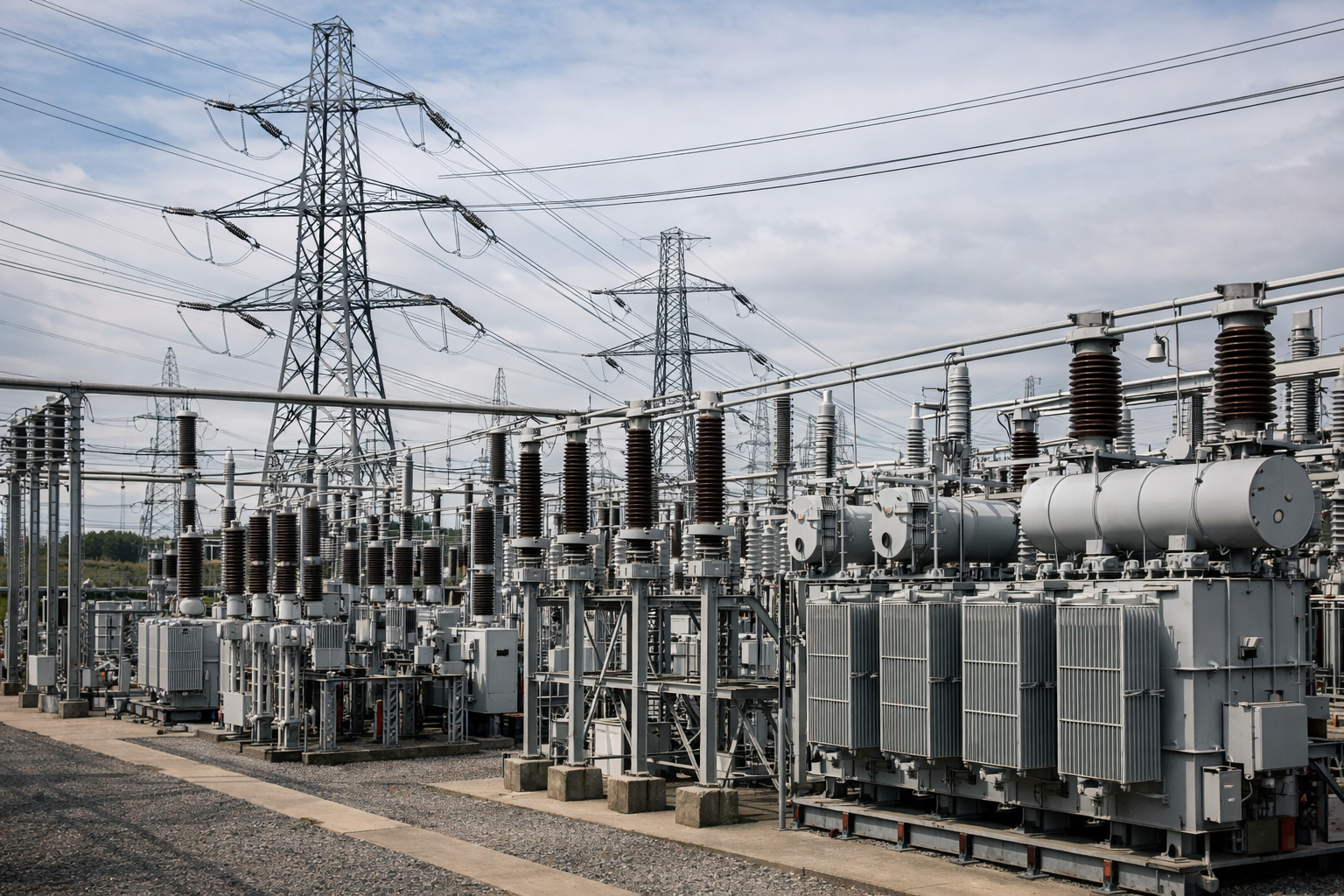
Equipment lead times will shape which proposals can proceed. Large power transformers, medium- and high-voltage switchgear, battery cells, power-conversion systems, turbines, generators, and protection equipment are already subject to competing demand from network expansion, renewable connections, storage projects, and industrial electrification across Europe.
Long commitments can support early procurement, although they also transfer delivery risk to bidders. Construction costs, connection programmes, financing terms, equipment availability, and market revenues may change considerably between the auction and commissioning, while failure to meet milestones can place security and contract value at risk.
Successful bids are scheduled to be identified in November, when the clearing outcome will reveal how developers have valued the 15-year revenue against construction exposure and operating obligations. The technology mix will also indicate which resources can convert theoretical flexibility into dependable, contractable capacity under Germany’s emerging security-of-supply framework.

