
IN Brief:
- French and German auctions have awarded more than 3GW of new onshore wind capacity.
- France allocated around 0.8GW, while Germany awarded approximately 2.5GW.
- Oversubscription produced lower prices but increased the risk of projects bidding below deliverable cost levels.
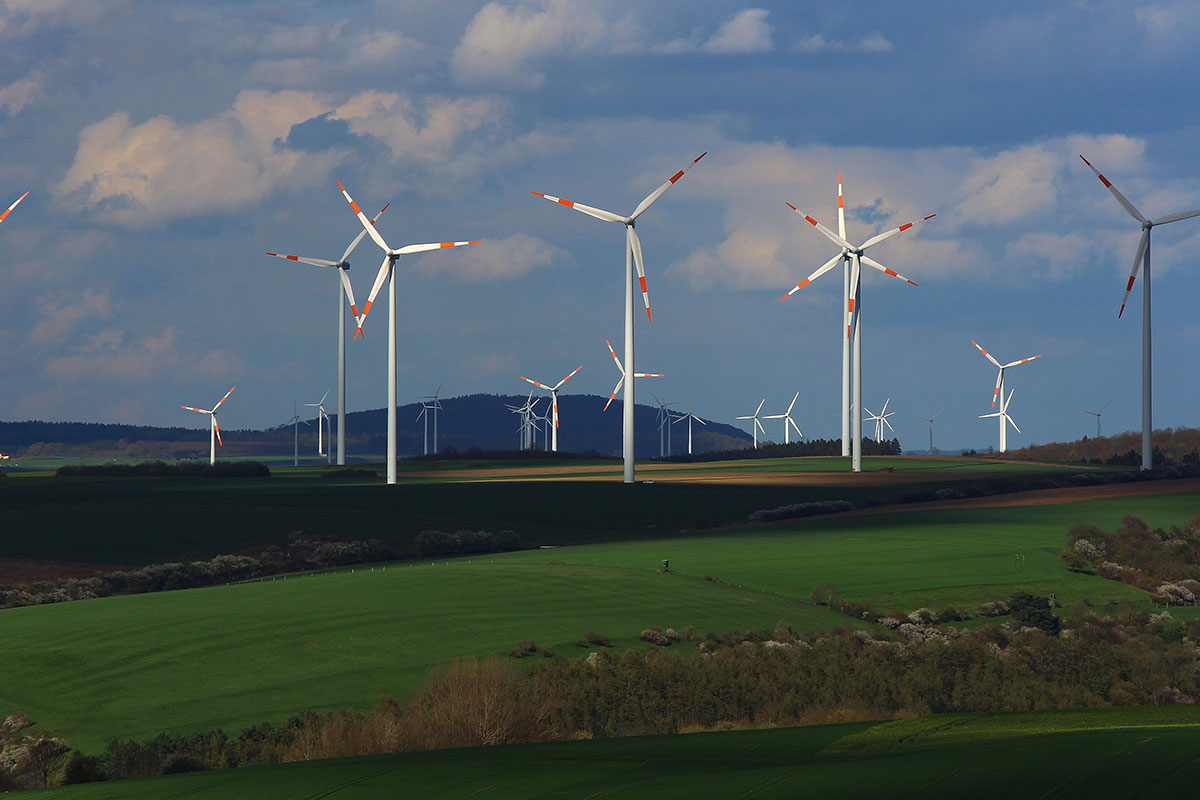
WindEurope has called for larger onshore wind auction volumes after recent French and German procurement rounds awarded more than 3GW of capacity and attracted substantially more eligible projects than the governments had offered contracts for.
France allocated approximately 0.8GW from bids totalling around 2.4GW. The average successful price was €77/MWh, about €10/MWh below the previous round, while repowering projects represented 66% of the capacity awarded.
Germany awarded around 2.5GW at an average price of €51/MWh, with the lowest accepted bid close to €44/MWh. Its round was also heavily oversubscribed, continuing a period of stronger permitting and development activity across the country’s onshore wind market.
Together, the results provide a clearer near-term order pipeline for turbine manufacturers, civil contractors, electrical contractors, balance-of-plant suppliers, substation specialists, and network companies. Auction awards nevertheless mark the beginning of delivery rather than the completion of a project.
Onshore wind remains the largest component of Europe’s wind fleet. WindEurope records that 94% of the wind farms commissioned during the previous year were onshore and expects the technology to provide almost 80% of additions through 2030.
France’s high share of repowering awards reflects the age of parts of its existing fleet. Repowering can replace several older turbines with fewer, larger machines, increasing output while using sites that already possess wind data, access arrangements, planning history, and some form of grid infrastructure.
Existing electrical systems cannot always be retained without modification. Larger turbines can require higher-capacity array cables, revised protection schemes, upgraded substations, new transformers, additional reactive-power equipment, and changes to the export connection. Roads, foundations, crane pads, and control systems may also need substantial reconstruction.
German permitting has accelerated, with WindEurope recording around 21GW of onshore wind approvals during the previous year and expecting activity to remain strong during 2026. That volume creates a sizeable development pipeline, although permitted capacity must still secure an auction award, equipment, finance, land agreements, construction resource, and an available grid connection.
Low bids must survive project delivery
Heavy oversubscription strengthens competition and can reduce support prices, yet it also encourages developers to submit aggressive bids after investing heavily in sites that have limited alternative routes to market. Where allowances for equipment inflation, interest rates, grid works, or construction risk are too narrow, projects can be delayed, redesigned, or abandoned.
Larger auction volumes could allow more mature schemes to proceed while retaining competitive pressure. They would also provide manufacturers with stronger demand visibility, supporting investment in nacelle assembly, blades, towers, power converters, transformers, switchgear, cables, and specialist installation capacity.
Recent orders already demonstrate the scale of the German pipeline. Nordex has secured around 700MW of German turbine orders, while RWE is increasing output through repowering in Lower Saxony. Both developments require coordinated delivery across generation equipment, civil works, grid infrastructure, and commissioning.
Network access remains one of the principal constraints. A wind farm cannot export its awarded capacity until the connection, protection, metering, communications, and required reinforcement are complete. Transmission congestion can also lead to curtailment after commissioning, transferring part of the system cost away from the auction price.
Repowering can reduce some connection uncertainty because an established export point already exists, although the higher output may exceed the original agreement. Developers and network operators must decide whether to reinforce the connection, limit export, install storage, or use active controls to keep the site within permitted conditions.
Lower support prices therefore need to be considered alongside the full electrical system required to deliver the energy. Internal networks, substations, reactive-power control, forecasting, balancing, grid reinforcement, and wider transmission capacity sit outside the headline strike price but remain essential to operation.
Construction programmes will also compete for specialist labour. Turbine technicians, cable jointers, authorised electrical personnel, commissioning engineers, crane teams, and protection specialists cannot be expanded as quickly as a permitted project pipeline. A simultaneous increase in awarded capacity can produce delivery bottlenecks even where equipment has been secured.
The French and German results show that development pipelines are no longer the only limiting factor in these markets. The immediate challenge is converting permitted and awarded schemes into financed construction programmes without losing capacity through weak project economics, delayed grid access, or constrained supply chains.
Additional auction volume would create a route to market for more mature projects, but the strength of the programme will ultimately be measured through completed assets, reliable output, and the timely reinforcement of the networks required to carry their generation.

