IN Brief:
- Qualitas Energy has fully commissioned the 33.6MW Nachtsheim-Luxem wind farm in Germany.
- The project uses eight Enercon E-138 turbines and is expected to generate more than 92 million kWh annually.
- The completion adds to a German onshore market shaped by permitting reform, grid capacity, and auction delivery pressure.
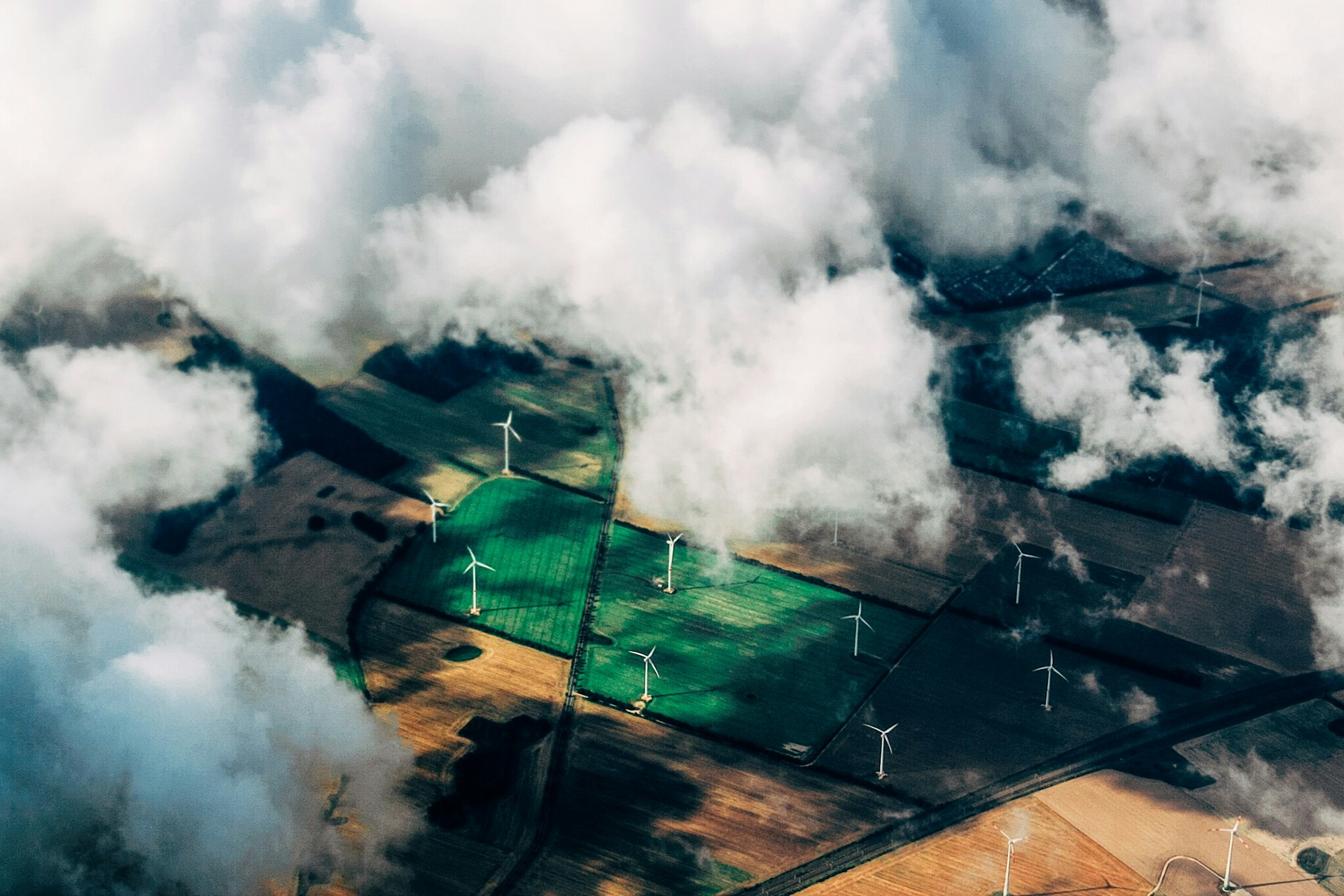
Qualitas Energy has fully commissioned the Nachtsheim-Luxem wind farm in Rhineland-Palatinate, bringing the 33.6MW onshore wind project into operation in western Germany.
The project is located around 50km west of Koblenz and uses eight Enercon E-138 turbines. Annual generation is expected to exceed 92 million kWh, equivalent to the electricity demand of around 29,000 households. The output is also equivalent to more than 20% of the electricity demand of the Mayen-Koblenz district’s 215,000 inhabitants.
Commissioning was completed in two phases. The first five turbines entered operation in 2024, with the final three now connected and generating. Across a full year, the wind farm is expected to avoid around 49,000 tonnes of CO2 emissions compared with fossil-based generation.
Qualitas Energy has built a substantial German onshore wind portfolio, with more than 100 projects and a late-stage pipeline of around 3GW. More than 1GW is already under construction or in operation in Germany, giving the company a sizeable position in a market trying to convert stronger renewable targets into commissioned capacity.
Germany’s onshore wind sector has been shaped by permitting delays, land-use rules, grid connection constraints, and turbine supply conditions. Auction volumes and national targets can create a route to market, but completed projects still depend on local approvals, logistics, civil works, electrical design, and grid readiness.
The Nachtsheim-Luxem project reflects the scale now common in modern onshore wind. Larger rotors and higher hub heights can increase output, particularly in moderate wind-speed areas, but they also increase the demands on transport planning, crane access, foundation design, environmental assessment, and community engagement.
Onshore wind remains one of Germany’s core renewable technologies because it can be deployed across a wider geographic spread than offshore generation and can reduce reliance on long-distance transmission when located closer to demand. That geographical diversity becomes more valuable as solar, offshore wind, storage, and interconnection all expand within the same system.
Grid integration remains a limiting factor. Additional onshore wind capacity increases the need for reinforcement, curtailment management, forecasting accuracy, and flexibility. Batteries, demand response, and active distribution management can help smooth output and reduce local constraints, but they cannot substitute for the network capacity required to move energy from generation areas to consumers.
The relationship between auction readiness and physical delivery is already visible in Germany’s forward pipeline, where capacity registration ahead of 2026 auctions is being tied to the practical availability of buildable renewable projects. Awarded capacity becomes useful only when it survives the full sequence from permitting to grid connection.
Maintenance and asset optimisation will also shape the value of new wind farms as they enter service. Larger turbines create higher output per machine, but downtime can carry a larger generation penalty. Operators therefore need robust service regimes, component access, and performance monitoring from the start of commercial operation.
The completion of Nachtsheim-Luxem adds a relatively modest project to Germany’s overall renewable fleet, but the delivery path is representative of the work now required across the market. Germany’s energy transition will depend on repeated conversion of permitted, financed, and grid-ready schemes into operational electrical assets.